
You’ve seen the headlines. Your friend lost 40 pounds. Celebrities are suddenly looking different. Everyone’s whispering about Ozempic.
But here’s the thing: before you jump on the bandwagon, there’s stuff you actually need to know. Real talk, no BS.
What Even Is Ozempic?
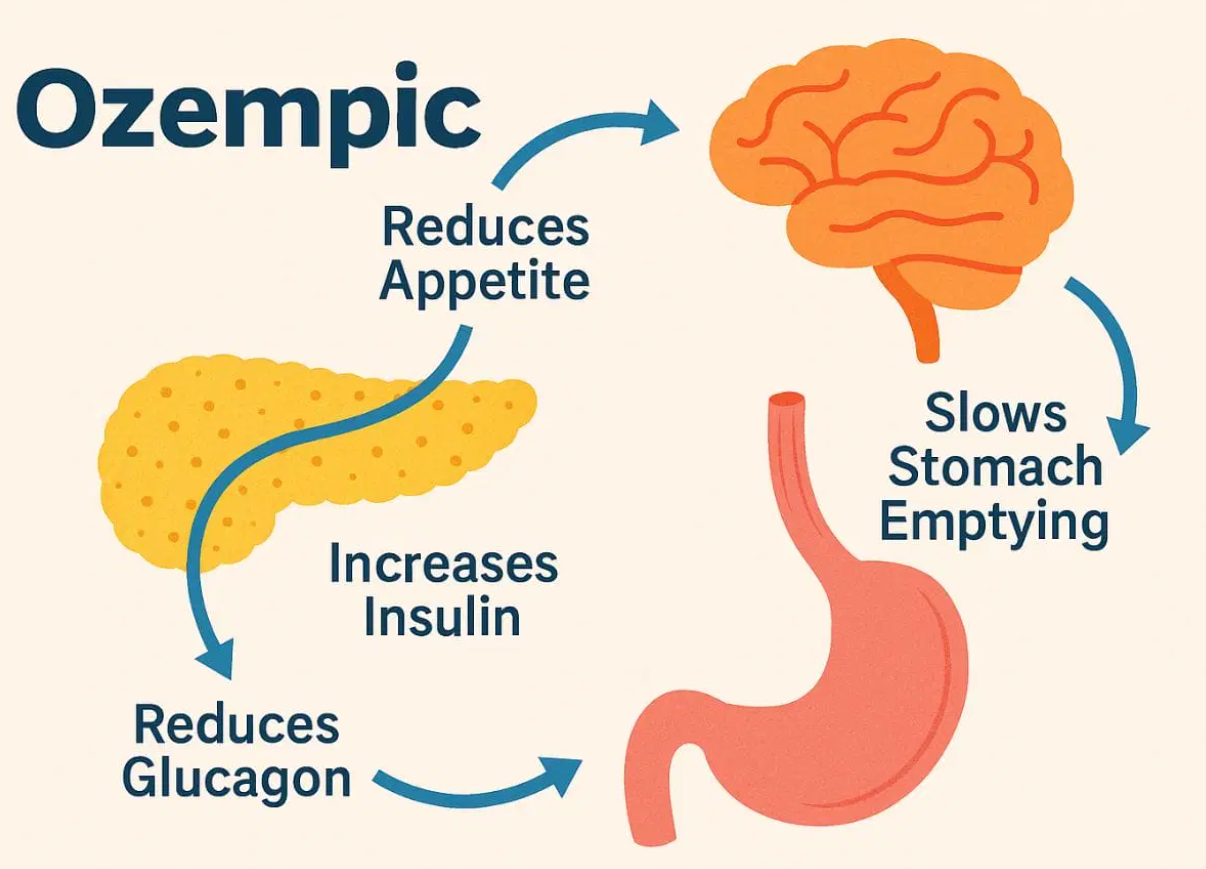
Ozempic is a weekly injection originally designed for type 2 diabetes. But doctors noticed something interesting: people were losing significant weight. Not just a few pounds. We’re talking 10-15% of body weight for many users.
The active ingredient is semaglutide. It mimics a hormone in your body that tells your brain “hey, you’re full now.” Simple as that.
The Real Results (And Why They Vary)
Let’s cut through the hype. Clinical studies show people lose an average of 12-14 pounds over several months. Some lose way more. Some lose less. Your mileage will vary.
Here’s what actually happens:
- You feel full faster when eating
- Food noise in your head quiets down (that constant “what should I eat” feeling)
- Cravings drop significantly
- You naturally eat smaller portions
It’s not magic. You still need to eat reasonably and move your body. But it makes the whole process WAY less miserable.
Who Actually Qualifies?
[IMAGE: Checklist graphic – clean, modern design]
Doctors typically prescribe Ozempic or similar medications if you have:
- A BMI of 30 or higher (considered obese), OR
- A BMI of 27+ with weight-related health issues (high blood pressure, type 2 diabetes, sleep apnea, etc.)
Notice what’s NOT on that list? “I want to lose 10 pounds for my vacation.” This isn’t a cosmetic quick fix. It’s a medical treatment for people who legitimately struggle with weight.
The Side Effects Nobody Wants to Talk About (But You Need to Know)
Let’s be real. There are side effects. Most people experience at least some of these:
The Common Ones:
- Nausea (especially the first few weeks)
- Diarrhea or constipation
- Feeling tired
- Stomach pain
- Burping (yep, seriously)
The “Ozempic Face” Thing: When you lose weight rapidly, your face can look gaunt. This happens with ANY significant weight loss, but it’s gotten a nickname because of how popular the drug is.
The Serious Stuff: Rare, but possible: pancreatitis, gallbladder problems, thyroid tumors (in animal studies). Your doctor will screen you for risk factors.
[IMAGE: Simple side-by-side comparison showing “Common & Manageable” vs “Call Your Doctor If…” symptoms]
What to Ask Your Doctor
Walk into that appointment prepared. Here’s your cheat sheet:
- “Am I a good candidate based on my health history?” (Be honest about everything)
- “What’s the realistic timeline for results?” (Spoiler: it’s months, not weeks)
- “How long would I need to stay on this?” (Many people need ongoing treatment)
- “What happens if I stop taking it?” (Weight can return)
- “Will my insurance cover this, and if not, what are my options?” (This is the big one)
The Money Talk
[IMAGE: Price tag or cost breakdown graphic]
Here’s the uncomfortable truth: out-of-pocket, Ozempic can run $900-$1,500+ per month. Yes, per month.
Insurance coverage is hit or miss. Some plans cover it for diabetes but not weight loss. Some require you to try other weight loss methods first.
This is where online medical services come in. Many offer more affordable options through compounded semaglutide or cash-pay programs with medical supervision. Just make sure whoever you’re working with has actual licensed physicians doing consultations.
Online vs. In-Person: What’s the Difference?
Seeing a doctor online for weight loss medication is legit IF (and this is huge):
- You have a real consultation with a licensed doctor
- They review your complete medical history
- They monitor you regularly
- They’re available for questions and concerns
Red flags: Anyone promising you’ll “definitely get approved” or who doesn’t ask detailed health questions. Run.
[IMAGE: Telemedicine consultation screenshot or illustration showing doctor-patient video call]
The Bottom Line
Ozempic and similar medications can be genuinely life-changing for people who qualify. But they’re not:
- A replacement for healthy habits
- Risk-free
- Right for everyone
- A permanent solution (for most people)
They’re a tool. A powerful one, but still just a tool.
Ready to Have the Conversation?
[IMAGE: CTA button or banner – “Speak with a Licensed Doctor Today”]
If you think you might be a candidate, the next step is talking to a qualified medical professional. A real consultation will help you understand if this is right for YOUR body, YOUR health situation, and YOUR goals.
Don’t go off your friend’s experience or celebrity gossip. Get personalized medical advice from someone who knows what they’re doing.
