
Low calorie doesn’t have to mean small portions, boring food, or constant hunger

The biggest misconception about low calorie eating is that it means eating less food. It doesn’t. It means eating smarter food — dishes that deliver high volume, high protein, and high fiber for relatively few calories, so you feel genuinely satisfied while still losing fat.
The meals below are built around that principle. None of them feel like diet food. All of them are satisfying, practical, and built around ingredients that work hard nutritionally — not just low-calorie filler.
Each recipe includes an approximate calorie count, protein content, and prep time so you can plan around your schedule and goals.
The Principles Behind These Meals
Before the recipes, here’s the framework behind why these meals work so well for fat loss:
High protein — protein is the most satiating macronutrient. Every meal below prioritizes it because protein reduces hunger hormones, extends fullness, and preserves muscle during a deficit. As we cover in our guide to how much protein you actually need per day, adequate protein is the single most important dietary variable for fat loss.
High fiber — fiber slows digestion, feeds beneficial gut bacteria, and extends the time you feel full after eating. High-fiber meals at the same calorie count as low-fiber meals produce dramatically better satiety.
High volume — large quantities of food for relatively few calories. Vegetables, broth-based soups, and high-water-content foods take up physical space in the stomach, triggering stretch receptors that signal fullness even at low calorie counts.
Minimal added sugar and refined carbs — these are the ingredients that add calories without satiety, spike blood sugar, and drive the hunger and cravings that derail low-calorie eating. Every meal here is built on whole food ingredients.
These are the same principles behind our article on the best foods to eat to lose weight fast — applied here in complete meal form.
Breakfast Meals
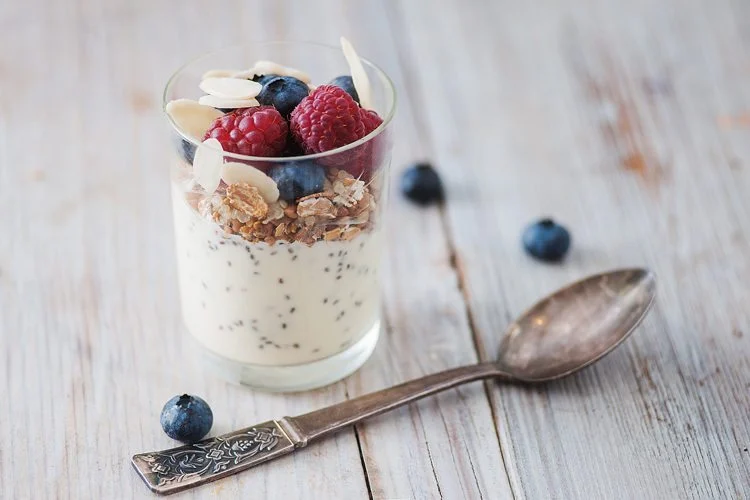
1. Greek Yogurt Parfait With Berries and Chia Seeds
~320 calories | 28g protein | 5 min prep
Layer 1 cup plain Greek yogurt with 1 cup mixed berries (fresh or frozen-then-thawed), 1 tablespoon chia seeds, and a small handful of walnuts or almonds.
Why it works: Greek yogurt is one of the highest-protein breakfast foods available. Chia seeds add 5g of fiber and healthy fats. Berries contribute antioxidants and natural sweetness without a blood sugar spike. The combination keeps most people full for 4+ hours.
Make it lower calorie: Skip the nuts to bring it to ~250 calories. Make it higher protein: Add a scoop of unflavored protein powder mixed into the yogurt.
2. Veggie-Loaded Scrambled Eggs
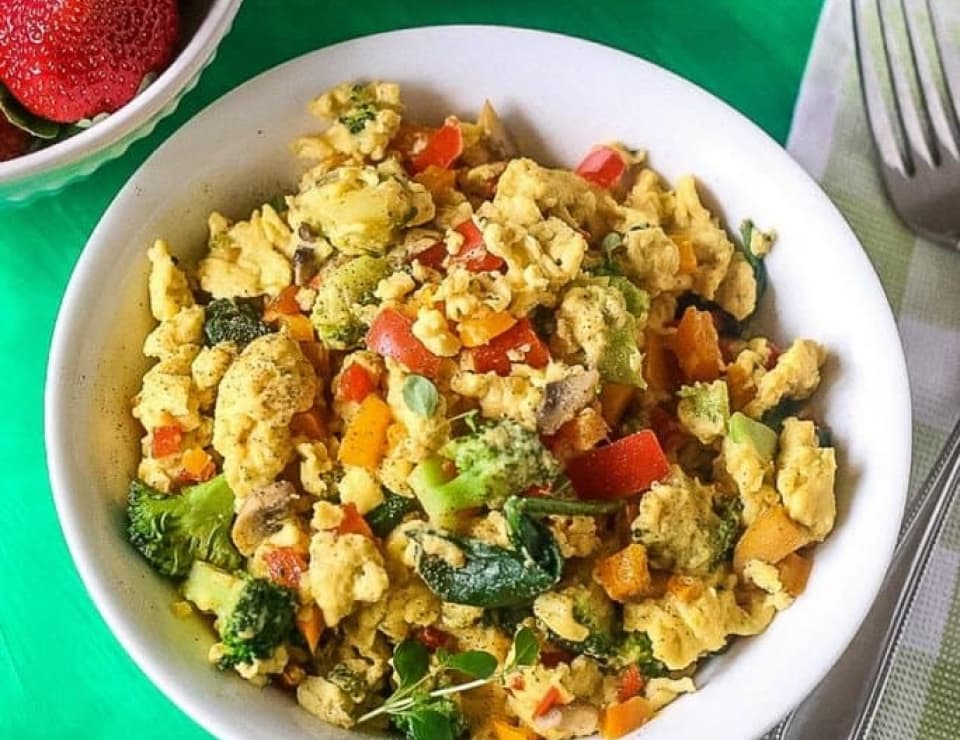
~280 calories | 22g protein | 8 min prep
Scramble 3 eggs with a large handful of spinach, half a cup of cherry tomatoes halved, and a quarter cup of diced bell pepper. Cook in a light spray of olive oil. Season with salt, pepper, and herbs.
Why it works: Eggs are one of the most satiating foods per calorie available. Adding vegetables increases volume significantly without meaningful calorie addition. Three eggs plus a large volume of vegetables feels like substantially more food than the calorie count suggests.
Add more protein: Stir in 2 tablespoons of cottage cheese before scrambling — adds creaminess and extra protein.
3. Overnight Oats With Protein
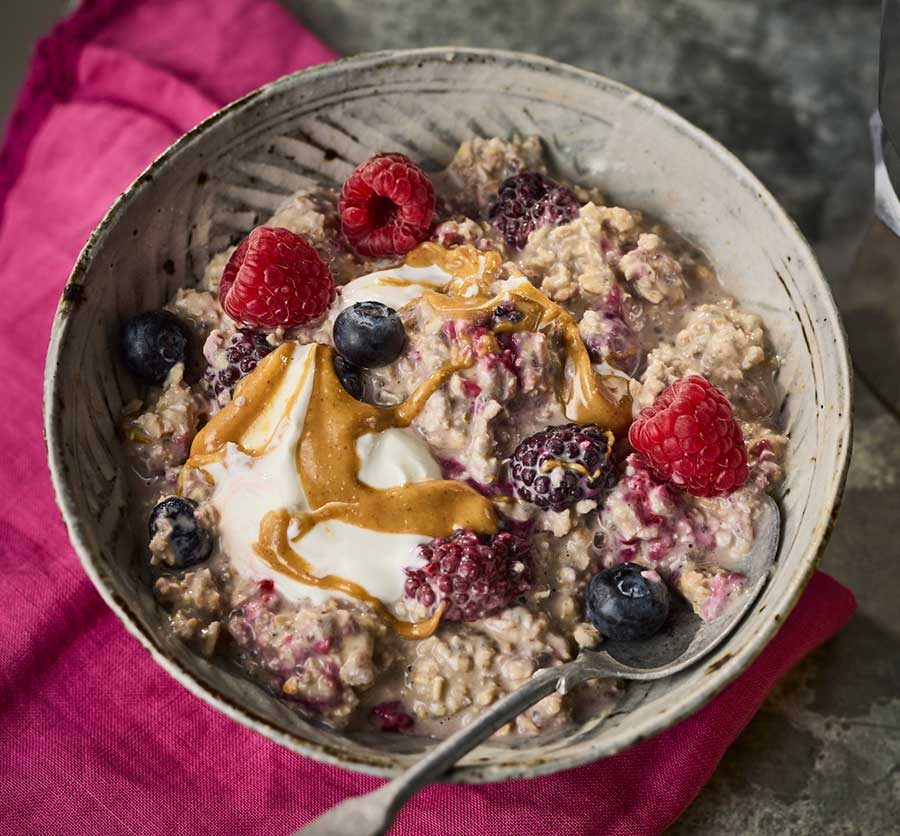
~350 calories | 30g protein | 5 min prep (night before)
Combine half cup rolled oats, 1 cup plain Greek yogurt, half cup milk of choice, 1 scoop vanilla protein powder, and a teaspoon of chia seeds. Stir well, refrigerate overnight. Top with berries in the morning.
Why it works: Oats provide beta-glucan fiber that slows digestion and extends satiety. Greek yogurt and protein powder deliver substantial protein in a meal that most people find genuinely enjoyable. This is a genuinely filling breakfast at under 400 calories.
4. Cottage Cheese and Fruit Bowl
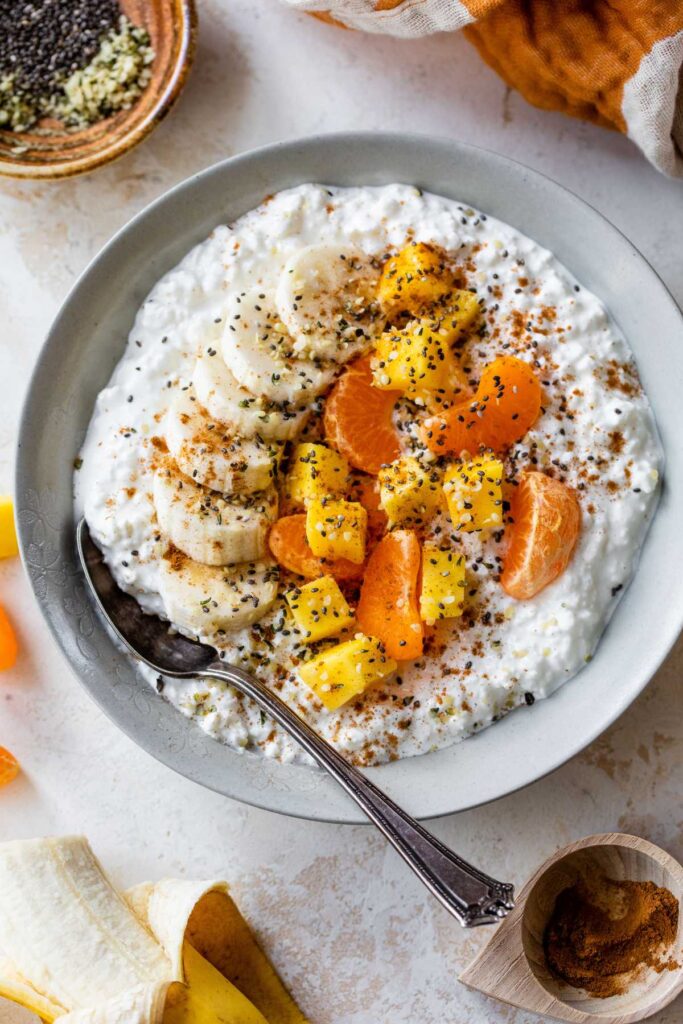
~250 calories | 26g protein | 2 min prep
One cup low-fat cottage cheese topped with half a cup of diced pineapple or mixed berries and a sprinkle of cinnamon.
Why it works: Cottage cheese is one of the most protein-dense breakfast options available — 25g per cup. Casein protein digests slowly, providing sustained amino acid release that keeps hunger lower throughout the morning. Fast, cheap, and remarkably effective.
Lunch Meals
5. Large Tuna and White Bean Salad
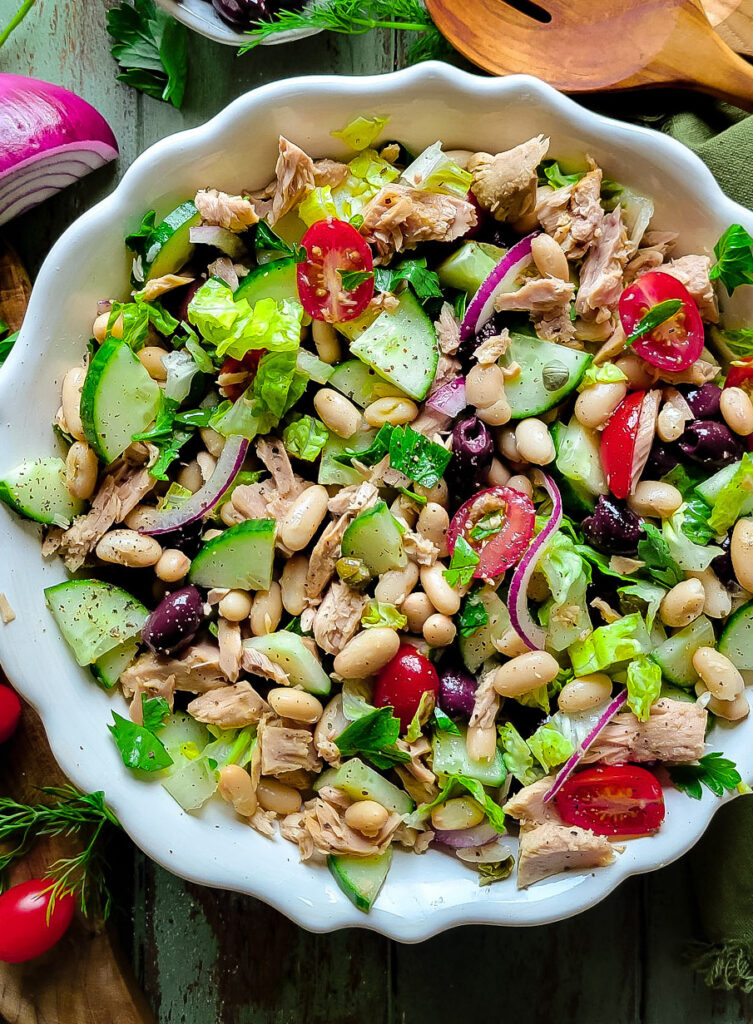
~380 calories | 42g protein | 10 min prep
Combine 1 can drained tuna, half a can of white beans (drained and rinsed), large handful of mixed greens, half a cup of cherry tomatoes, quarter of a cucumber sliced, and a small red onion diced. Dress with 1 tablespoon olive oil, lemon juice, salt, and pepper.
Why it works: Tuna and beans together deliver extraordinary protein and fiber for the calorie count. The volume of this salad is substantial — it genuinely feels like a large meal. The olive oil provides satiety-extending healthy fat. This is one of the best lunch options for fat loss.
6. Big Chicken and Vegetable Soup
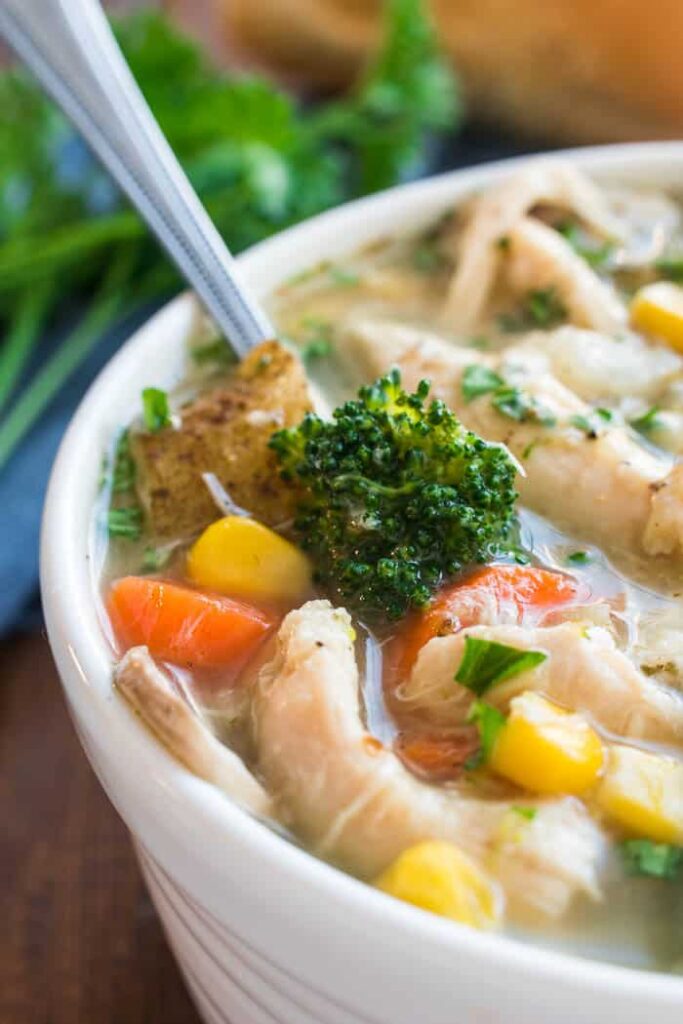
~320 calories | 35g protein | 20 min prep (or use rotisserie chicken)
Simmer diced chicken breast or shredded rotisserie chicken in low-sodium chicken broth with diced carrots, celery, onion, garlic, zucchini, and a handful of spinach. Season generously with herbs and spices.
Why it works: Broth-based soups are one of the most researched high-volume, low-calorie foods. Studies show soup eaten before a meal significantly reduces total calorie intake at the meal — and as a meal itself, the large liquid volume triggers stretch receptors that extend satiety beyond what the calorie count would suggest.
7. Lentil and Vegetable Soup
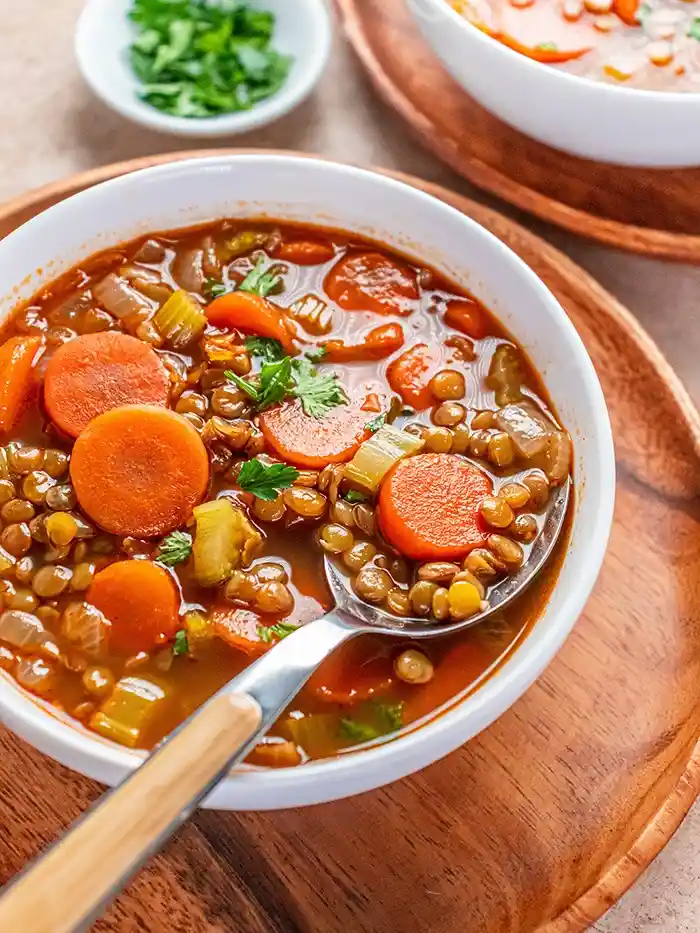
~280 calories | 18g protein | 25 min prep
Cook red lentils with diced tomatoes, spinach, carrots, onion, garlic, and vegetable broth. Season with cumin, turmeric, coriander, and lemon juice. Makes multiple servings — freezes well.
Why it works: Red lentils provide exceptional protein and fiber at very low calorie cost. This soup is extremely filling, cheap to make, and improves in flavor over several days. A batch made Sunday provides lunches for most of the week.
8. Turkey and Avocado Lettuce Wraps
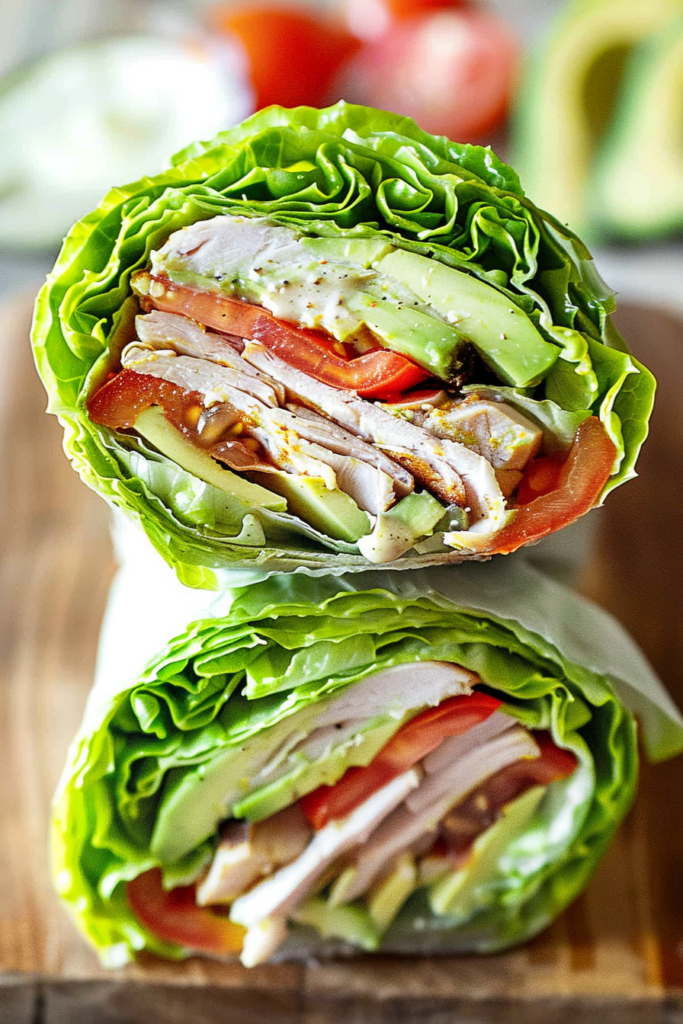
~310 calories | 30g protein | 10 min prep
Use large romaine or butter lettuce leaves as wraps. Fill with sliced turkey breast, quarter of an avocado (sliced), tomato, cucumber, and a squeeze of lemon. Add mustard or hot sauce.
Why it works: Replacing bread wraps with lettuce cuts 150–200 calories while keeping the satisfying structure of a wrap. Turkey provides lean protein, avocado provides satiating healthy fat and fiber. This is a genuinely satisfying lunch for well under 400 calories.
Dinner Meals
9. Baked Salmon With Roasted Vegetables
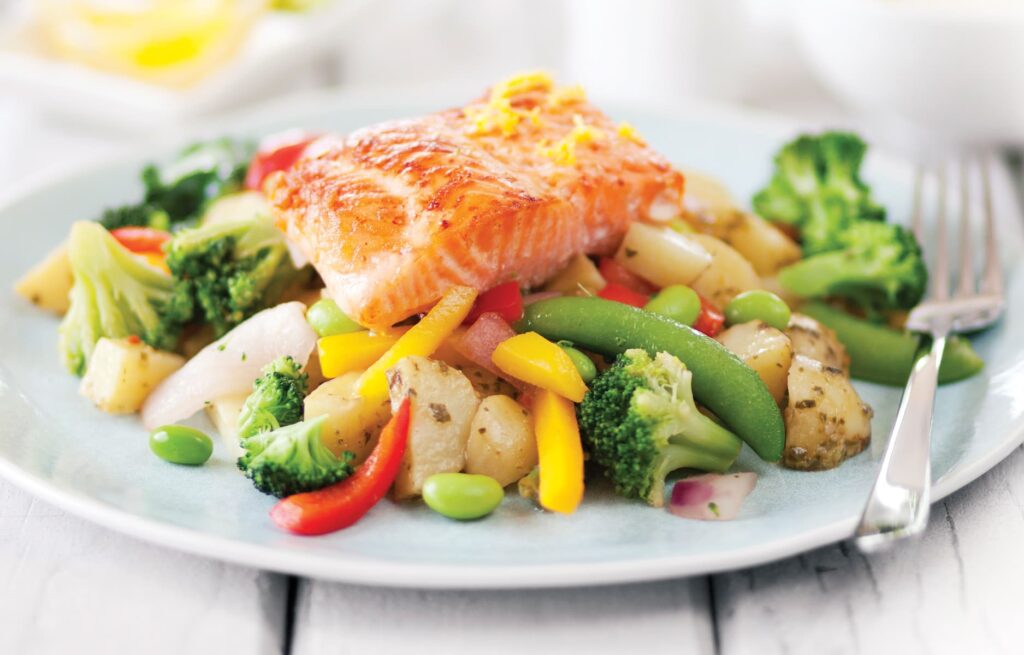
~420 calories | 38g protein | 25 min prep
Season a salmon fillet with lemon, garlic, and herbs. Bake at 400°F for 12–15 minutes. Serve with a large tray of roasted vegetables — broccoli, zucchini, cherry tomatoes, bell peppers — tossed in a light spray of olive oil and roasted alongside.
Why it works: Salmon provides complete protein and omega-3 fatty acids that reduce inflammation and improve insulin sensitivity — specifically relevant for belly fat reduction as covered in our guide to how to get rid of belly fat. The large volume of roasted vegetables adds fiber and bulk for minimal calories.
10. Chicken and Cauliflower Rice Stir-Fry
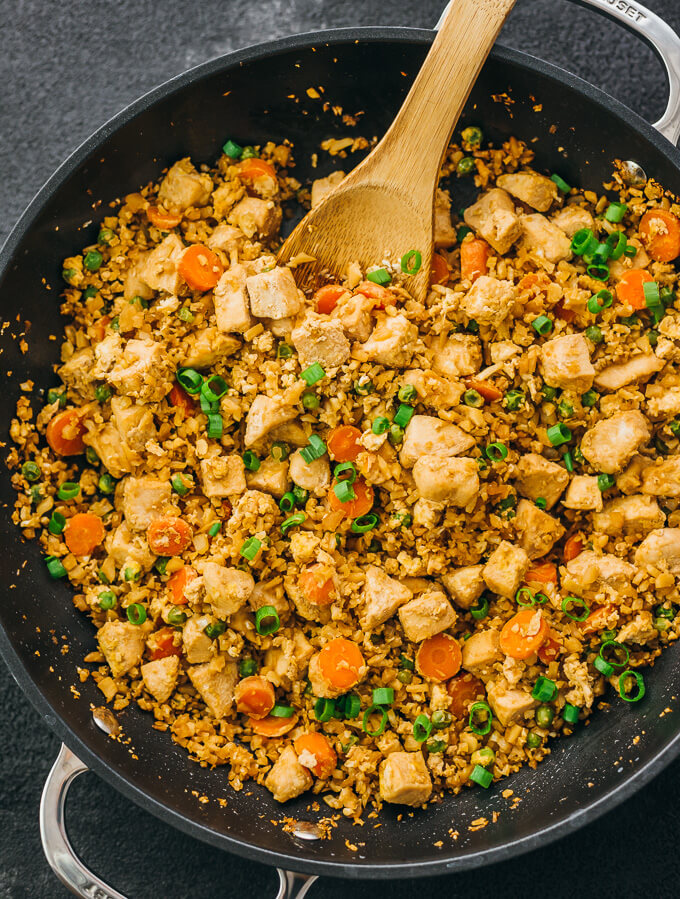
~360 calories | 40g protein | 15 min prep
Stir-fry diced chicken breast with garlic, ginger, mixed frozen vegetables (broccoli, edamame, peppers), and cauliflower rice (frozen cauliflower rice is fast and convenient). Season with low-sodium soy sauce, sesame oil, and chili flakes.
Why it works: Cauliflower rice replaces regular rice at roughly one-quarter the calorie count while dramatically increasing vegetable content. The dish looks and feels like a generous portion of food. High protein from chicken, high fiber from the vegetables, very low calorie density overall.
11. Black Bean and Vegetable Chili
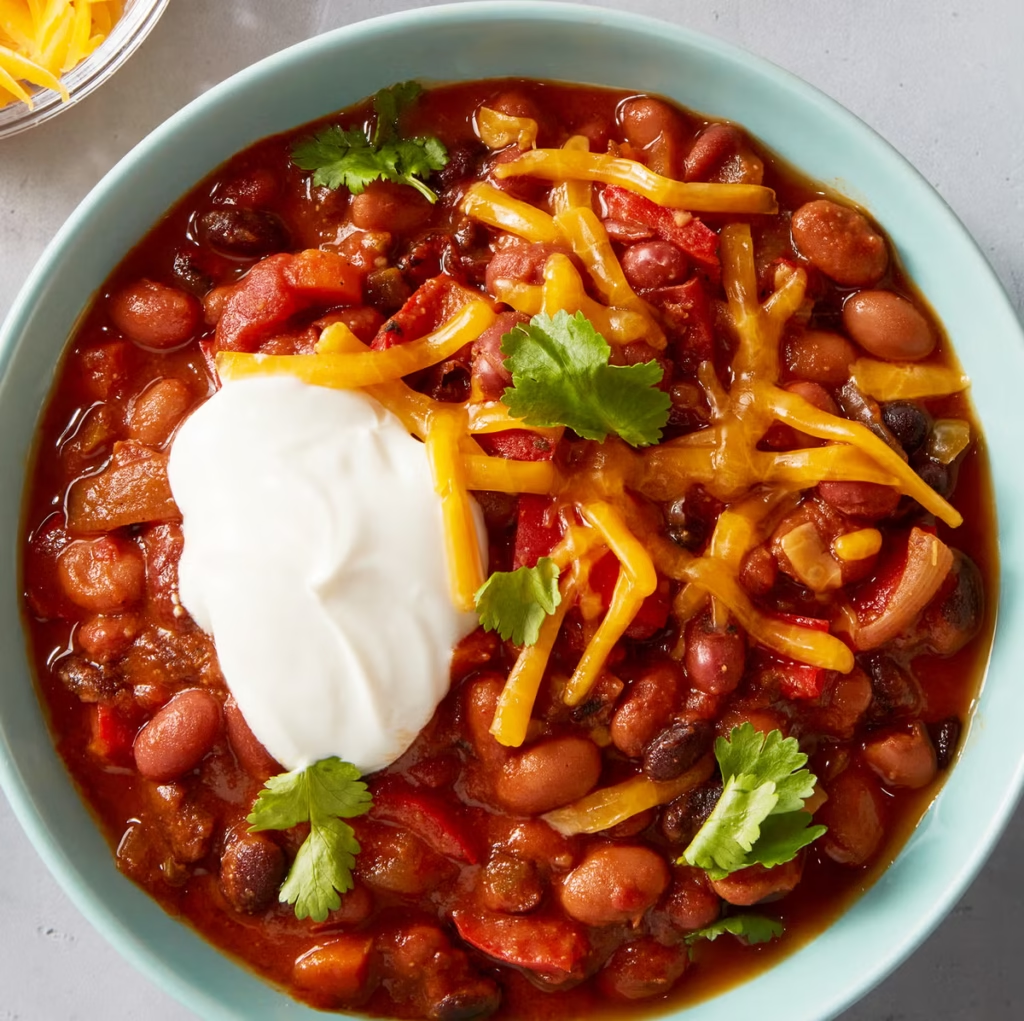
~350 calories | 20g protein | 30 min prep
Brown diced onion and garlic, add two cans of black beans, one can of diced tomatoes, bell peppers, corn, and generous chili seasoning. Simmer 20 minutes. Top with a tablespoon of plain Greek yogurt instead of sour cream.
Why it works: Bean-based chili delivers remarkable protein and fiber for the calorie cost — and keeps well in the fridge for 4–5 days, making it ideal for batch cooking. The Greek yogurt topping adds protein without the fat and calories of sour cream.
12. Shrimp and Zucchini Noodles
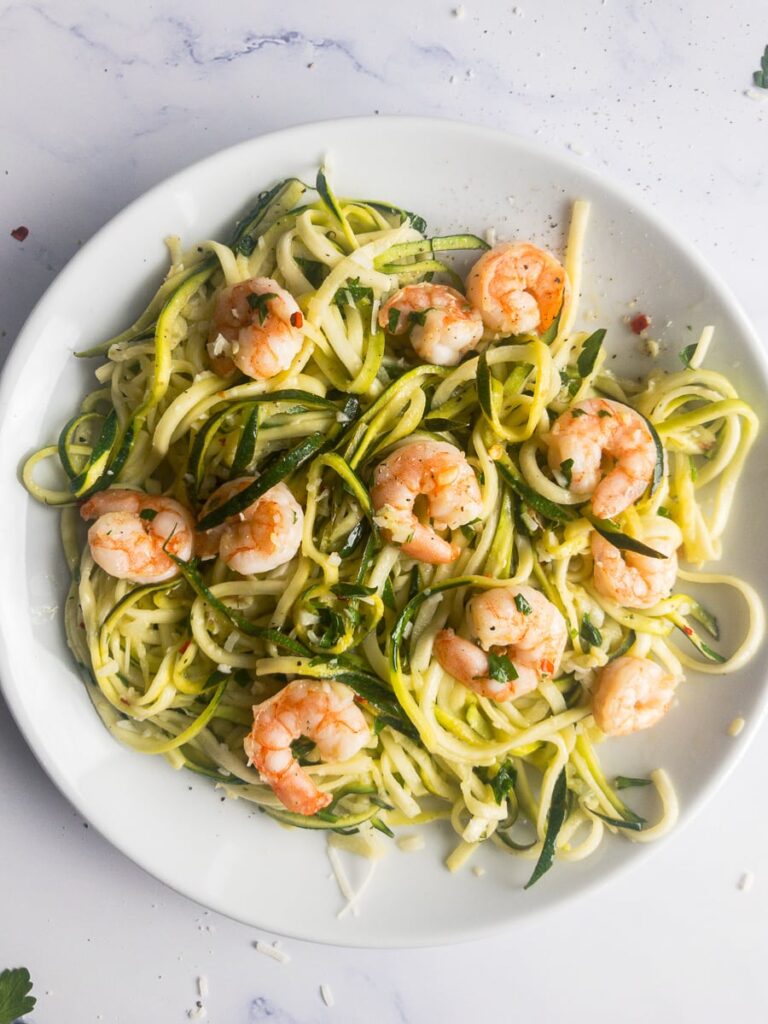
~290 calories | 32g protein | 15 min prep
Spiralize two medium zucchinis (or buy pre-spiralized). Sauté shrimp with garlic and cherry tomatoes in olive oil spray. Toss with zucchini noodles, fresh basil, lemon juice, and a tablespoon of parmesan.
Why it works: Zucchini noodles replace pasta at roughly one-tenth the calorie count. Shrimp is one of the most protein-dense, low-calorie proteins available. This dish genuinely feels like an indulgent pasta dinner at under 300 calories.
13. Turkey-Stuffed Bell Peppers
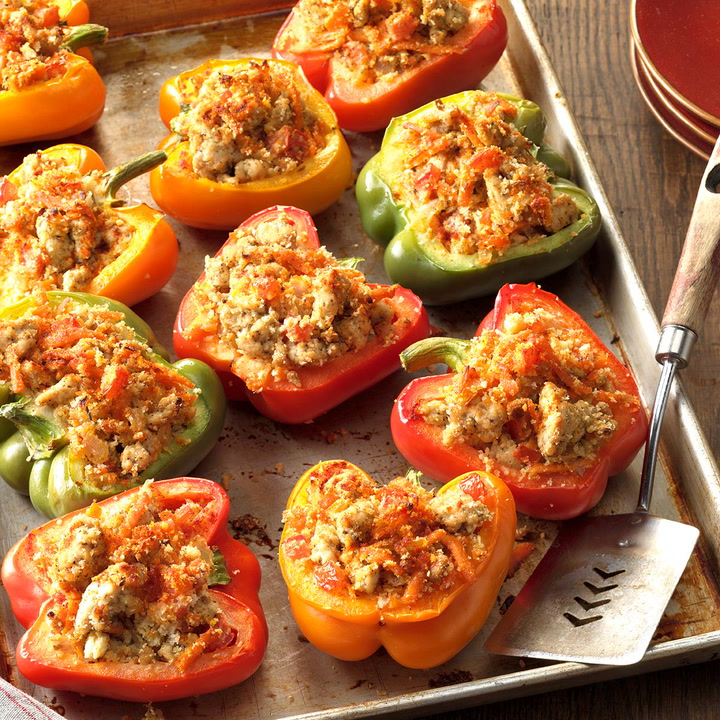
~380 calories | 38g protein | 35 min prep
Brown lean ground turkey with diced onion, garlic, and Italian seasoning. Mix in diced tomatoes and a small amount of cooked rice or quinoa. Stuff into halved bell peppers and bake at 375°F for 20–25 minutes. Top with a tablespoon of shredded mozzarella.
Why it works: Bell peppers as the vessel replace calorie-dense starchy bases while adding vitamin C, fiber, and volume. Lean turkey provides substantial protein. This feels like a substantial, restaurant-quality dinner at under 400 calories.
14. Egg and Vegetable Frittata
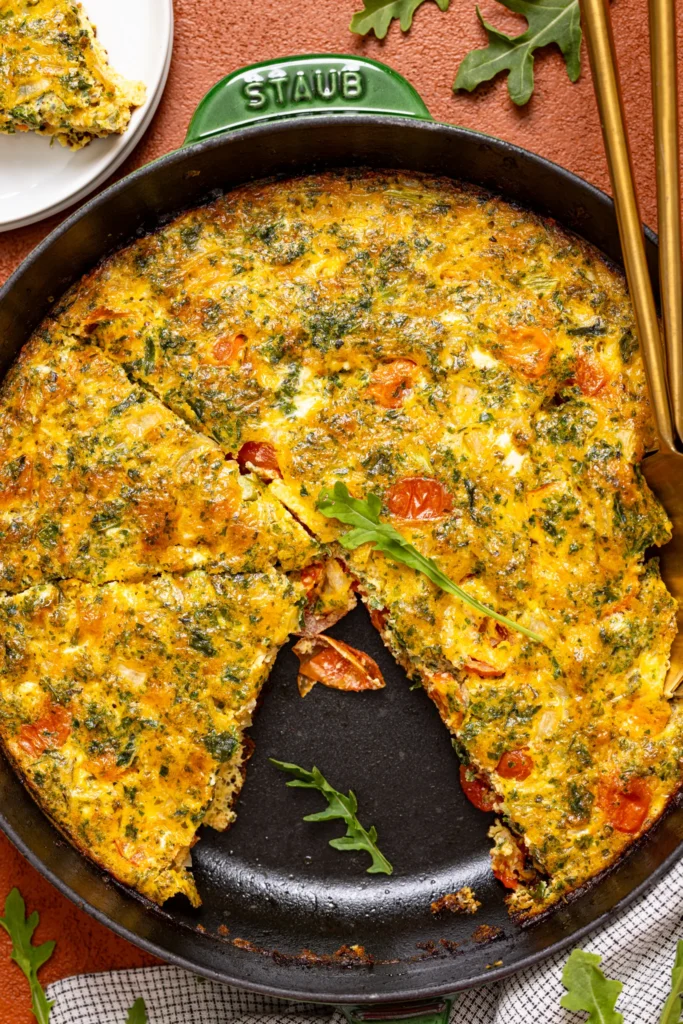
~280 calories | 24g protein | 20 min prep
Whisk 4 eggs with salt and pepper. Pour into an oven-safe skillet with sautéed onion, spinach, mushrooms, and cherry tomatoes. Cook on the stovetop until edges set, then finish in the oven at 375°F for 10 minutes.
Why it works: A frittata makes eggs feel like a proper dinner rather than a quick meal — and the large volume of vegetables makes a modest number of eggs feel like a substantial plate of food. Cheap, fast, and highly protein-dense per calorie.
Snacks Under 150 Calories
For when you need something between meals:
- Hard-boiled egg — 70 calories, 6g protein, extremely portable
- Greek yogurt (plain, small cup) — 100 calories, 10g protein
- Celery with 1 tablespoon peanut butter — 100 calories, 4g protein, satisfying crunch
- Small apple with a few almonds — 130 calories, fiber and healthy fat combination
- Cottage cheese (half cup) with cucumber — 100 calories, 13g protein
- Edamame (half cup shelled) — 100 calories, 9g protein, satisfying to eat
Meal Planning Tips for Low Calorie Success
Batch cook proteins and grains. A tray of chicken thighs roasted on Sunday provides protein for multiple meals with minimal daily effort. A pot of lentils or beans serves as the base for several lunches or dinners.
Keep a stocked freezer. Frozen shrimp, frozen fish fillets, frozen vegetables, and frozen cauliflower rice are the foundation of fast low-calorie dinners when fresh options aren’t available.
Master a few sauces. Low-calorie meals can taste bland without good seasoning. Sriracha, lemon and herb, garlic and ginger, or a simple vinaigrette applied liberally can transform simple protein and vegetable combinations into genuinely craveable meals.
Prep vegetables in advance. Washing and cutting vegetables on Sunday makes including them in weekday meals effortless. Barrier reduction is the key to consistency — if the vegetables are ready to go, they get eaten.
Use volume to your advantage. A salad with five cups of greens is far more satisfying than a salad with one cup, at roughly the same calorie cost. A soup with extra broth and vegetables is more filling than a thick stew at the same calories. More food for the same calories is always better for satiety.
The Bottom Line
Low calorie eating doesn’t have to mean small portions, boring food, or constant hunger. It means building meals around foods that deliver maximum satiety — protein, fiber, and volume — for minimum calorie cost.
The meals above do exactly that. They’re designed to make eating at a calorie deficit feel sustainable rather than punishing — because sustainable is the only approach that actually works long-term.
For the complete dietary strategy behind these meals — including how protein, fiber, and food quality work together to drive fat loss — our comprehensive guide on how to get rid of belly fat covers everything in one place.
Which of these meals are you going to try first? Share in the comments — and if you have a favorite low-calorie recipe that keeps you full, drop it below.