
Feeling bloated and puffy? Here’s what’s causing it and how to fix it quickly
You step on the scale after a weekend of eating out and you’re up 4 pounds. But you definitely didn’t eat 14,000 extra calories — so what happened?
Water weight. And it’s one of the most confusing, frustrating parts of the fat loss journey for almost everyone.
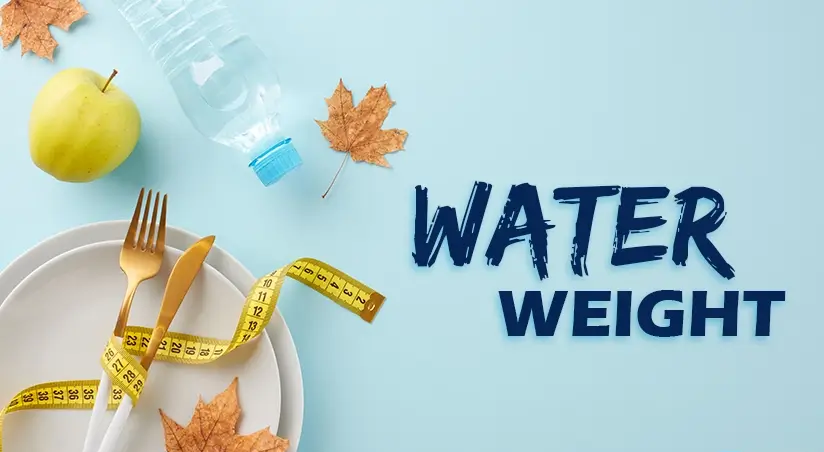
Understanding what water weight is, what causes it, and how to lose it quickly can save you from a lot of unnecessary panic — and help you distinguish between real fat gain and temporary fluctuation.
What Is Water Weight?
Your body is roughly 60% water, and that water content fluctuates constantly based on what you eat, how you move, your hormones, and how much you drink. At any given moment, you can be carrying anywhere from 2 to 10 extra pounds of water compared to your baseline — and that number can shift dramatically within 24–48 hours.
This is completely normal. It’s not fat. It doesn’t represent a setback in your fat loss progress. And it can be reduced relatively quickly with the right approach.
What Causes Water Retention?
Before getting into solutions, it helps to understand what’s driving the retention in the first place.
High Sodium Intake
Sodium is the most common cause of temporary water retention. Your body maintains a precise sodium-to-water ratio in your blood and tissues — when sodium intake spikes, your body holds onto extra water to dilute it back to the right concentration.
A single salty restaurant meal can cause 2–4 lbs of water retention overnight. This isn’t fat — it’s your body’s fluid regulation working exactly as it should.
High Carbohydrate Intake
Every gram of glycogen (stored carbohydrate in your muscles and liver) is stored alongside roughly 3 grams of water. When you eat a high-carb meal after a period of lower-carb eating — or simply eat more carbs than usual — your glycogen stores fill up and bring a significant amount of water with them.
This is why low-carb diets produce such dramatic initial weight loss — it’s mostly glycogen and water, not fat. And it’s why going back to normal carb intake after a low-carb diet seems to cause rapid weight gain — the glycogen and water are simply returning.
Hormonal Fluctuations
Estrogen and progesterone both influence fluid retention. Many women experience significant water retention in the days before their period — sometimes 3–5 lbs — which resolves naturally once menstruation begins. This is entirely normal and not related to fat gain or diet quality.
Stress and Cortisol
Cortisol promotes water and sodium retention through its effects on aldosterone — a hormone that regulates kidney function and fluid balance. Chronically elevated cortisol from stress, poor sleep, or excessive exercise keeps fluid levels higher than normal.
As we cover in our guide to how to get rid of belly fat, cortisol is one of the primary drivers of both water retention and visceral fat accumulation — managing it matters for both.
Inactivity
Sitting or standing for long periods allows fluid to pool in the lower extremities — particularly the legs and feet. Movement pumps this fluid back into circulation and toward the kidneys for excretion.
Alcohol
Alcohol is a diuretic in the short term but causes significant rebound water retention afterward. The dehydration it causes triggers your body to hold onto water aggressively the following day — which is part of why you feel puffy after a night of drinking.
Certain Foods
Beyond sodium, some foods cause bloating and water retention in susceptible individuals — particularly highly processed foods with multiple additives, very high sugar foods, and for some people, foods containing gluten or certain fermentable carbohydrates (FODMAPs).
How to Lose Water Weight Fast
1. Reduce Sodium Intake
The fastest way to drop water weight is to cut sodium dramatically for a few days. Aim for under 1,500mg per day — less than half the average Western intake.
Practical steps:
- Cook at home rather than eating out — restaurant food is extremely high in sodium
- Avoid processed and packaged foods, which account for the majority of dietary sodium
- Don’t add salt to meals
- Watch condiments — soy sauce, ketchup, salad dressings, and hot sauce are all high in sodium
Within 24–48 hours of reducing sodium, most people see a noticeable drop in water retention and bloating.
2. Drink More Water
This seems counterintuitive — drinking more water to lose water weight — but it works.
When you’re chronically under-hydrated, your body holds onto every drop of water it gets as a protective response. Drinking adequate water signals that supply is plentiful and it’s safe to release the retained fluid through urination.
Aim for at least half your bodyweight in ounces per day. Adding electrolytes (particularly potassium and magnesium, not just sodium) helps your body use and release water more efficiently.
3. Increase Potassium Intake
Sodium and potassium work as opposing forces in your body’s fluid regulation. High sodium drives water retention; high potassium counteracts it by promoting sodium excretion through the kidneys.
Most people eat far too much sodium and far too little potassium — a ratio that strongly promotes water retention.
High potassium foods that help:
- Bananas
- Avocado
- Sweet potatoes
- Spinach and leafy greens
- Lentils and beans
- Salmon
Increasing these while decreasing sodium is one of the fastest natural approaches to reducing water retention. The best foods for overall weight loss — covered in our article on the best foods to eat to lose weight fast — happen to be high in potassium naturally.
4. Cut Back on Refined Carbs Temporarily
Reducing carbohydrate intake for a few days lowers glycogen stores, which releases the water stored alongside them. This is a reliable way to drop 2–4 lbs quickly — though it’s worth understanding that this is water and glycogen loss, not fat loss.
This doesn’t mean going full keto. Simply cutting out bread, pasta, rice, and processed snacks for 3–5 days while focusing on protein, vegetables, and healthy fats is enough to produce noticeable results.
5. Exercise — Especially Sweating
Exercise causes you to sweat out fluid and also depletes glycogen stores, both of which reduce water weight quickly. A solid workout on a hot day can result in 1–2 lbs of fluid loss that shows up on the scale the next morning.
More importantly, regular exercise improves insulin sensitivity and reduces cortisol over time — both of which reduce chronic water retention at the root level rather than just temporarily.
6. Reduce Stress
As covered above, chronic stress elevates cortisol which promotes water and sodium retention. For people who carry persistent water weight regardless of diet, stress management is often the missing piece.
Daily walks, adequate sleep, breathing practices, and reducing unnecessary stressors all contribute to lower cortisol and less chronic fluid retention over time. Our article on how to stop stress eating covers the most practical cortisol management strategies.
7. Improve Your Sleep
Poor sleep raises cortisol and disrupts the hormonal balance that regulates fluid retention. People who consistently sleep poorly often carry more water weight than their well-rested counterparts — and fixing sleep can produce noticeable reductions in puffiness and bloating within days.
Seven to nine hours, consistent schedule, dark and cool room. The full strategy is in our guide on why sleep is the most underrated weight loss tool.
8. Try Natural Diuretic Foods and Drinks
Some foods and drinks have mild natural diuretic effects that can help move excess fluid:
- Dandelion tea — one of the most studied natural diuretics, shown to increase urine output meaningfully
- Green tea — mild diuretic effect plus metabolism benefits
- Asparagus — a well-known natural diuretic vegetable
- Cucumber — high water content helps flush retained fluid
- Ginger tea — reduces bloating and has mild diuretic properties
- Black coffee — caffeine is a mild diuretic
None of these are dramatic solutions on their own, but combined with reduced sodium and increased water intake they can accelerate the process.
9. Move More Throughout the Day
Prolonged sitting allows fluid to pool in your legs and lower body. Regular movement throughout the day — even just standing up and walking around every hour — keeps fluid circulating and reduces lower body water retention significantly.
This is especially relevant for people with desk jobs who notice leg swelling and puffiness by the end of the day. A 5-minute walk every hour does more for lower body fluid retention than most dietary interventions.
What About Diuretic Supplements or Water Pills?
Over-the-counter diuretic supplements and water pills do cause rapid fluid loss — but they come with significant downsides.
Forcing fluid loss through pharmaceutical or supplement diuretics causes electrolyte imbalances — particularly loss of potassium and magnesium — which can cause muscle cramps, fatigue, heart palpitations, and in extreme cases, serious cardiac issues.
They also cause rebound retention — your body compensates for the forced fluid loss by retaining water even more aggressively once you stop taking them.
Natural approaches are slower but safer and don’t cause the rebound effect. Unless prescribed by a doctor for a medical condition, diuretic supplements are not worth the risk.
How to Tell Water Weight from Fat
This is something a lot of people struggle with — especially when the scale moves quickly in either direction.
Signs you’re dealing with water weight:
- Large scale changes (2–5 lbs) over 1–3 days
- Visible puffiness particularly in the face, hands, and ankles
- Change follows a salty meal, high-carb day, alcohol, or hormonal cycle
- Rings feel tighter, shoes feel snugger
- Resolves within 2–4 days without dietary changes
Signs you’re dealing with fat:
- Slow, gradual changes over weeks
- No visible puffiness — just increased fullness in fat-storing areas
- Not related to specific food events
- Doesn’t resolve in a few days
The scale is a blunt instrument. It measures everything — fat, muscle, water, food volume, bone density — all at once. A 3-lb overnight gain is almost certainly water. A 3-lb gain over three weeks of eating in a surplus is more likely to involve actual fat.
Understanding this distinction is one of the most useful things you can do for your mental relationship with the scale — and it prevents the panic-driven responses to temporary fluctuations that derail so many people’s progress. For more on this, our article on how to break a weight loss plateau covers how to interpret scale fluctuations and when to actually adjust your approach.
How Much Water Weight Can You Lose in a Week?
With the strategies above applied consistently, most people can lose 3–7 lbs of water weight within a week. In some cases — particularly after a high-sodium, high-carb period — the drop can be larger.
It’s worth being realistic about what this means: losing water weight makes you look and feel less bloated, but it doesn’t change your fat mass. True fat loss happens at 0.5–2 lbs per week with a sustained calorie deficit. Water weight loss is a bonus — not the goal.
The strategies that reduce water retention most effectively — lower sodium, more potassium, better sleep, less stress, more movement — also happen to support fat loss. So there’s no conflict between optimizing for both simultaneously.
The Bottom Line
Water weight is real, it’s common, and it can make the scale wildly misleading in the short term. Salty food, carbohydrates, stress, poor sleep, hormones, and inactivity all drive it — and most of it can be resolved in days with targeted adjustments.
Reduce sodium. Drink more water. Eat more potassium-rich foods. Move more. Sleep better. Manage stress. These aren’t complicated strategies — and they address water retention at the root rather than masking it with supplements.
Most importantly: don’t let temporary water weight fluctuations derail your confidence or your approach. The scale lies in the short term. What you do consistently over weeks and months is what actually changes your body.
Have you ever been surprised by how much water weight you were carrying? Share your experience in the comments.
Stop Wondering What to Eat This Week
Get my free 7-Day High-Protein Weight Loss Meal Plan delivered straight to your inbox — a simple week of satisfying, protein-focused meals designed to make healthy eating easier without complicated calorie tracking.
- 7 full days of breakfast, lunch, dinner & snacks
- One complete shopping list for the whole week
- A quick high-protein food cheat sheet
- Simple daily tips to help you stay on track
Free PDF • Delivered by email • Unsubscribe anytime
Check your inbox 💜
Your free 7-day high-protein meal plan is on its way.