The Truth About Weight Loss Supplements (What Works, What Doesn’t, and What’s Dangerous)

The weight loss supplement industry makes $33 billion a year. Most of it is wasted money.

Walk into any pharmacy, health food store, or scroll through Instagram for five minutes and you’ll be bombarded with weight loss supplements promising to melt fat, suppress appetite, boost metabolism, and transform your body in 30 days.
The weight loss supplement industry is enormous, aggressive, and largely built on hope, clever marketing, and the desperate desire for an easier path.
So what actually works? What’s a complete waste of money? And what’s potentially dangerous?
Here’s the honest, evidence-based breakdown.
The Hard Truth First
No supplement will make a meaningful difference to your weight if your diet, exercise, sleep, and stress aren’t in order. Not one. The most effective supplements in the world produce effects measured in tens of calories per day — completely overwhelmed by a single poor dietary choice.
Supplements are, at best, a minor addition to a solid foundation. They are not a shortcut, a replacement, or a solution. Anyone selling them as such is selling you something that isn’t true.
With that said — a small number of supplements do have genuine evidence behind them for modest fat loss support. Here’s the full picture.
Supplements With Actual Evidence
Caffeine
Caffeine is the most studied and most effective fat loss supplement available — and you probably already use it every morning.
The evidence is solid: caffeine temporarily raises metabolic rate by 3–11%, increases fat oxidation, improves exercise performance, and suppresses appetite modestly. These effects are real, measurable, and consistent across the research.

The catch: tolerance develops relatively quickly. Regular caffeine users see diminished metabolic effects compared to occasional users. And as we cover in our article on why sleep is the most underrated weight loss tool, caffeine after early afternoon significantly disrupts sleep quality — which has far larger negative effects on fat loss than the caffeine’s positive ones.
Verdict: Genuinely useful in moderation, best consumed as coffee or tea rather than supplements. Keep it to the morning. Don’t expect dramatic results.
Protein Powder
Protein powder isn’t a fat burner — it’s a food. But it belongs on this list because it’s one of the most evidence-backed tools for supporting fat loss, and it works through the same mechanism as whole food protein: satiety, muscle preservation, and thermic effect.
For people who struggle to hit their protein targets through whole food alone — which is most people — a quality whey, casein, or plant-based protein powder is a practical, effective solution.
Verdict: Highly recommended as a practical tool for hitting protein targets. Not a magic supplement — just a convenient food source. Our guide on how much protein you actually need per day covers exactly how to use it.
Creatine
Creatine doesn’t burn fat directly — but it deserves a mention because it’s one of the most well-researched supplements in existence and it supports fat loss indirectly through its effects on strength training performance.
Creatine increases strength and power output in the gym, which allows you to build more muscle over time. More muscle means a higher resting metabolic rate. It also causes a small amount of water retention in muscle tissue, which can make the scale go up initially — but this is intramuscular water, not the subcutaneous kind that makes you look puffy.
Verdict: Worth considering if you’re strength training seriously. Not a fat loss supplement per se, but a performance supplement that supports the habits that drive fat loss.
Green Tea Extract (EGCG)
Green tea extract contains catechins — particularly EGCG — that have modest evidence for increasing fat oxidation and metabolic rate, independent of caffeine.
Studies show that green tea extract can increase fat burning by 10–17% during exercise and modestly raise 24-hour calorie burn. The effects are real but small — we’re talking 80–100 extra calories per day in the most optimistic studies.
Verdict: Modest but genuine effect. Drinking 2–3 cups of green tea per day is a cheaper and more enjoyable way to get the same benefit as a supplement.
Soluble Fiber (Psyllium Husk, Glucomannan)
Soluble fiber supplements — particularly glucomannan derived from konjac root — have reasonable evidence for reducing appetite and supporting modest weight loss by slowing gastric emptying and creating a feeling of fullness.
Glucomannan in particular absorbs large amounts of water in the gut, forming a viscous gel that significantly slows digestion and delays hunger. Several studies have found meaningful reductions in calorie intake and body weight with consistent use.
Verdict: One of the more legitimate appetite management supplements. Works best taken with water 30 minutes before meals. Not dramatic but genuinely useful for people who struggle with hunger — particularly alongside the strategies in our article on why you’re always hungry.
Magnesium
Magnesium isn’t a fat loss supplement — but magnesium deficiency is extremely common and directly impairs sleep quality, insulin sensitivity, and stress regulation. All three of these are critical for fat loss.
If you’re sleeping poorly, feeling stressed, or experiencing muscle cramps, a magnesium supplement (particularly magnesium glycinate or magnesium citrate — more bioavailable forms) may address an underlying deficiency that’s making fat loss harder.
Verdict: Not a fat burner but potentially highly useful if deficiency is contributing to poor sleep or high stress. Low risk, low cost, worth trying.
Vitamin D
Similar to magnesium, vitamin D deficiency is remarkably common — particularly in people who spend most of their time indoors or live in northern climates — and is associated with increased fat storage, poor sleep, low energy, and reduced insulin sensitivity.
Correcting a genuine vitamin D deficiency can improve many of the underlying conditions that make fat loss harder. A simple blood test can determine whether you’re deficient.
Verdict: Highly worth testing for and supplementing if deficient. Not a fat burner in isolation, but addressing deficiency removes a significant metabolic obstacle for many people.
Supplements That Don’t Work
Fat Burner Blends
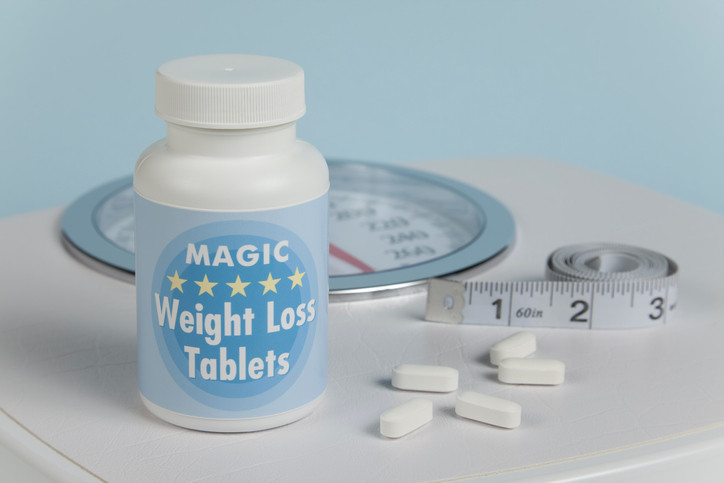
The “fat burner” category — products with names like LeanMode, Hydroxycut, Shred, or anything with fire imagery on the label — are typically proprietary blends of caffeine, green tea extract, and a list of poorly studied herbal ingredients presented in amounts too small to have meaningful effect.
The caffeine provides a real but modest effect. Everything else is largely marketing. The proprietary blend labeling means manufacturers don’t have to disclose individual ingredient amounts — making it impossible to know whether any component is dosed high enough to do anything.
They’re overpriced caffeine pills with extra steps. Drink black coffee instead.
Raspberry Ketones
Raspberry ketones were made famous by a single TV appearance and have been a bestselling supplement ever since despite having almost no human evidence behind them.
The theoretical mechanism — increasing adiponectin and fat breakdown — comes from in vitro and animal studies using doses far higher than any supplement provides. Human trials have been small, short, and largely unimpressive.
Verdict: Skip it entirely.
Garcinia Cambogia
Another TV-famous supplement with a long trail of disappointed customers. The proposed mechanism (HCA inhibiting fat production) has not translated to meaningful weight loss in rigorous human trials.
A comprehensive review of garcinia cambogia trials found weight loss of less than 2 lbs over several weeks compared to placebo — not statistically meaningful and not worth the cost.
Verdict: No meaningful effect. Move on.
CLA (Conjugated Linoleic Acid)
CLA has a decent theoretical basis and some positive animal studies, but human trials have been consistently disappointing — showing minimal fat loss effects and in some studies, negative effects on insulin sensitivity with long-term use.
Verdict: The human evidence doesn’t support the animal research. Not recommended.
Detox Teas and Cleanses
These deserve special mention because they’re aggressively marketed and genuinely useless — sometimes harmful.
“Detox” is not a real biological process that supplements can accelerate. Your liver and kidneys handle detoxification continuously and efficiently without any assistance from senna-laced tea.
Most detox teas cause weight loss through one mechanism: laxative effect. Senna — a powerful laxative — is a common undisclosed or minimally disclosed ingredient. Any weight lost is gut contents and water, not fat. It returns immediately upon normal eating.
Some detox products have caused serious liver damage. The FDA has issued multiple warnings about specific products.
Verdict: Complete waste of money at best, genuinely dangerous at worst. Avoid entirely.
Appetite Suppressant Candy and Patches
The various appetite-suppressing lollipops, gummies, and transdermal patches that cycle through social media trends have no meaningful evidence behind them. The ingredients either don’t work, aren’t absorbed transdermally, or are present in amounts too small to have any effect.
Verdict: Pure marketing. Save your money.
What’s Actually Dangerous
Most supplements in this space are simply ineffective rather than dangerous. But a few categories are worth flagging specifically:
Stimulant-heavy fat burners containing synephrine, yohimbine, or high-dose caffeine combinations have been linked to elevated heart rate, blood pressure spikes, anxiety, and in rare cases, cardiac events. People with cardiovascular conditions should avoid these entirely.
DNP (2,4-Dinitrophenol) is occasionally sold online as an extreme fat burner and has caused multiple deaths. It is not legal for human consumption anywhere. If you encounter it, do not use it under any circumstances.
Thyroid-stimulating supplements claiming to “boost thyroid function” can interfere with actual thyroid regulation, causing serious hormonal disruption.
Anything purchased from unregulated online sources — particularly products claiming dramatic results — carries the risk of contamination with unlisted pharmaceutical ingredients including actual prescription drugs.
The general rule: the more dramatic the claim, the more skeptical you should be.
The Supplement Stack Actually Worth Considering
If you want to supplement intelligently to support fat loss, here’s what the evidence actually supports:
- Protein powder — if you struggle to hit protein targets through whole food
- Caffeine — via coffee or tea, in the morning
- Magnesium glycinate — particularly if sleep is poor
- Vitamin D — if blood test confirms deficiency
- Soluble fiber (glucomannan) — if hunger management is a consistent challenge
Everything else is optional at best and wasteful at worst.
Total monthly cost of this evidence-based stack: well under $50. Far less than most “fat burner” programs that promise the world and deliver almost nothing.
The Bottom Line
The supplement industry is not your ally in fat loss. It is a marketing industry that profits from your desire for an easier path — and it is extraordinarily good at its job.
The foundations of fat loss — adequate protein, whole food diet, strength training, daily movement, quality sleep, stress management — are not exciting to sell. They don’t come in a bottle with dramatic before-and-after photos. But they are what actually work, consistently, for the vast majority of people.
Supplements can provide a small nudge at the margins. They cannot replace the fundamentals. For a complete picture of what those fundamentals look like in practice, our full guide to how to get rid of belly fat covers everything that actually moves the needle.
Use supplements to support a solid foundation — not as a substitute for building one.
Have you wasted money on weight loss supplements that didn’t work? Share your experience in the comments — you’re definitely not alone.