Best Foods to Eat to Lose Weight Fast (That Actually Keep You Full)

No cabbage soup. No juice cleanses. Just real food that works.
Every weight loss diet ever invented has one thing in common: it tells you what NOT to eat. Avoid carbs. Cut fat. Eliminate entire food groups. Stop eating after 6pm.
What most of them fail to do is tell you what TO eat — specifically, which foods actively work in your favor by keeping you full, stabilizing blood sugar, boosting metabolism, and making fat loss feel less like a daily battle of willpower.
That’s what this article is about. No gimmicks, no superfoods with miracle claims — just the foods with the strongest evidence behind them for supporting fast, sustainable weight loss.
What Makes a Food Good for Weight Loss?
Before the list, it helps to understand the criteria. The best weight loss foods share most of these qualities:
- High satiety — they keep you full for longer, reducing total calorie intake without hunger
- High protein or fiber — both slow digestion and suppress appetite hormones
- Low calorie density — you get a large volume of food for relatively few calories
- Minimal impact on blood sugar — they don’t spike insulin and trigger fat storage
- Nutrient-dense — they provide vitamins, minerals, and micronutrients that support metabolism and energy
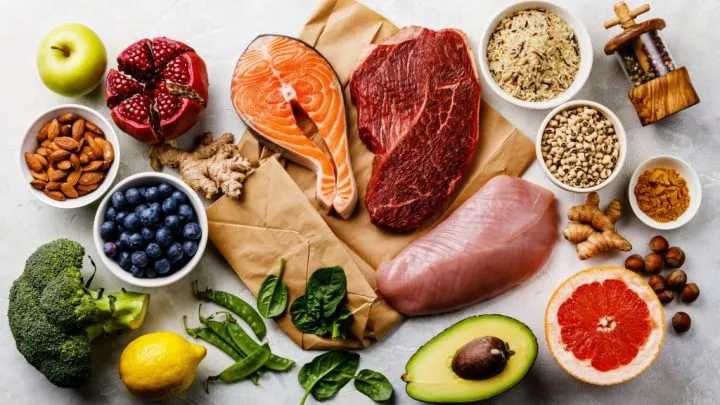
Foods that hit several of these markers at once are the ones worth building your diet around. Here they are.
1. Eggs
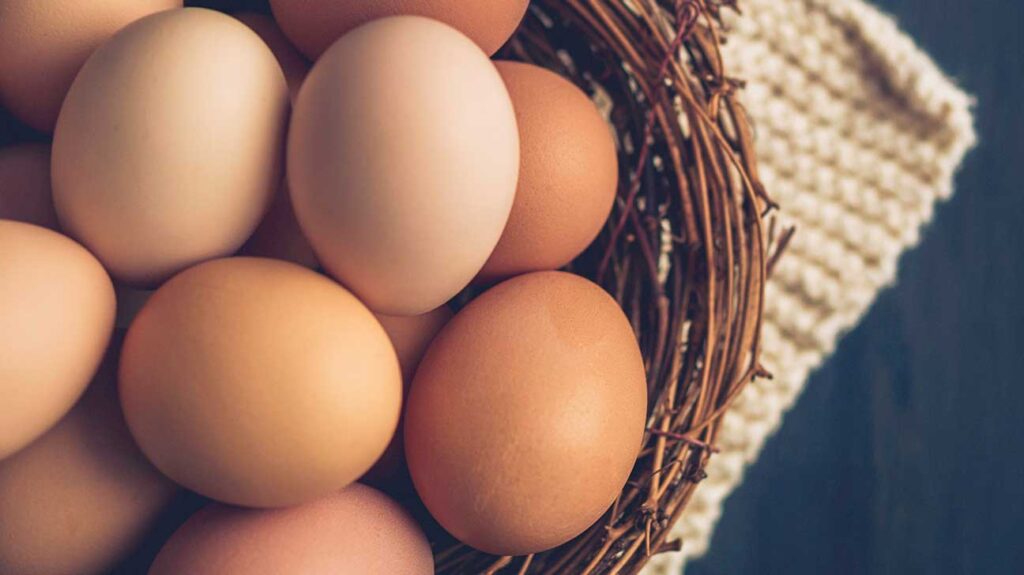
Eggs are one of the most satiating foods on the planet, calorie for calorie.
A breakfast of two or three eggs keeps most people fuller for significantly longer than a calorie-matched carbohydrate breakfast — reducing total calorie intake for the rest of the day without any conscious restriction. Studies have shown that eating eggs at breakfast can reduce calorie intake at lunch by up to 400 calories compared to a bagel breakfast with the same calories.
Each egg contains about 6g of high-quality complete protein, plus healthy fats, B vitamins, and choline — a nutrient critical for metabolism and liver function.
Don’t fear the yolk. The fat and cholesterol in egg yolks have been consistently vindicated by research, and the yolk contains most of the nutrients.
2. Greek Yogurt (Plain)
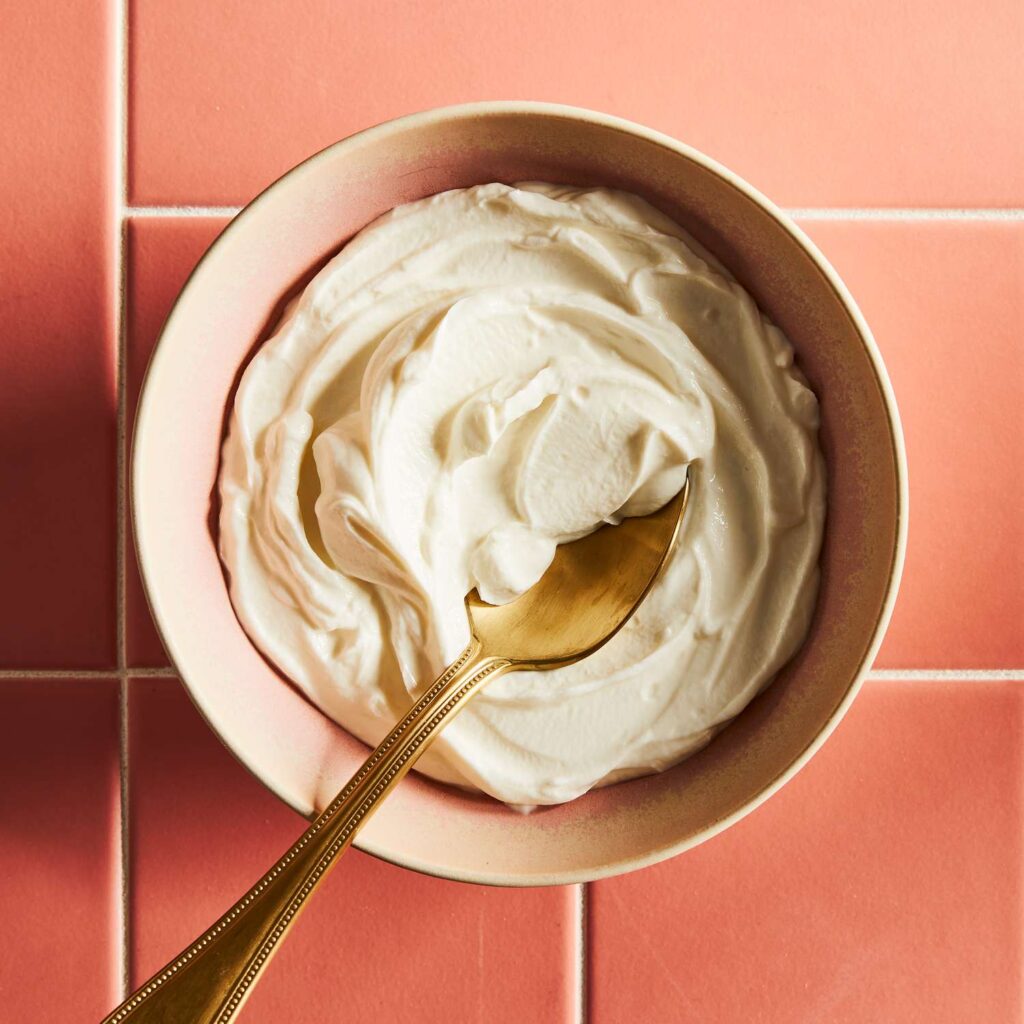
Greek yogurt is one of the most versatile and effective weight loss foods available. A single cup of plain Greek yogurt contains 15–20g of protein, is high in calcium (which plays a role in fat metabolism), and contains probiotics that support gut health.
The protein and thickness of Greek yogurt make it exceptionally filling — far more so than regular yogurt or most other breakfast foods. It also pairs well with almost anything, making it easy to incorporate daily.
The critical word is plain. Flavored Greek yogurts are often loaded with added sugar — sometimes 15–20g per serving — which actively works against fat loss. Buy plain and add your own fruit or a drizzle of honey if needed.
As we cover in our guide to how much protein you actually need per day, Greek yogurt is one of the easiest ways to hit your daily protein target without much effort.
3. Chicken Breast and Turkey
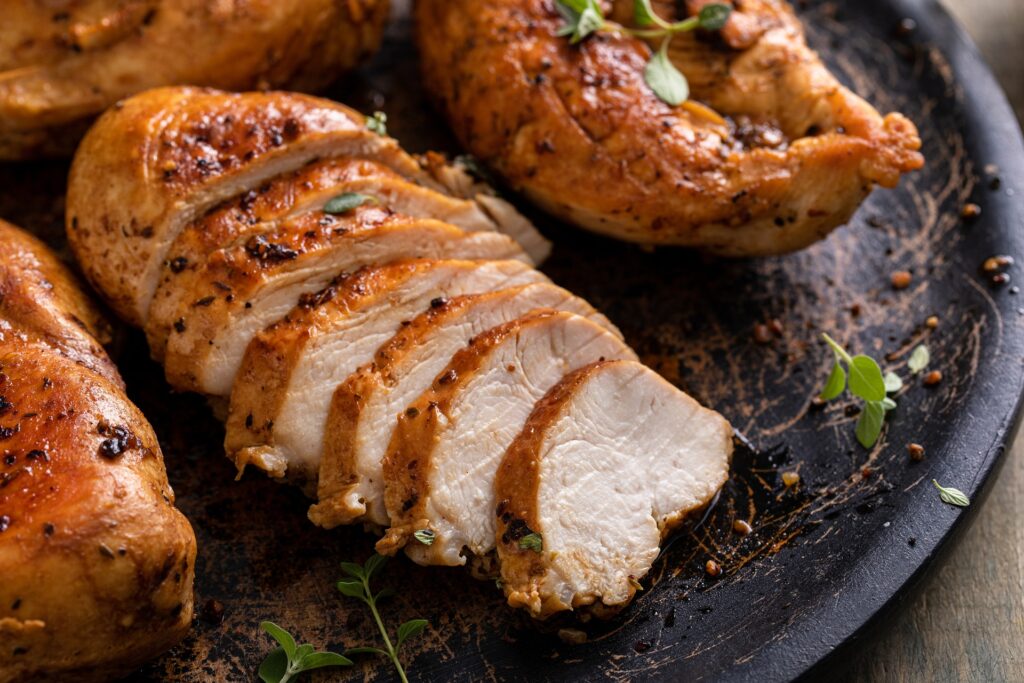
Lean poultry is the backbone of almost every effective fat loss diet for good reason. Chicken breast delivers around 31g of protein per 100g cooked with very little fat — making it the most protein-dense, calorie-efficient animal protein available.
The thermic effect of protein means your body burns roughly 25–30% of the calories in chicken just digesting it. Combined with its high satiety, it’s one of the most effective foods for creating a natural calorie deficit without feeling deprived.
Turkey breast is equally good — and often cheaper. Both are versatile enough to build dozens of meals around without getting boring if you vary your seasonings and cooking methods.
4. Salmon and Fatty Fish
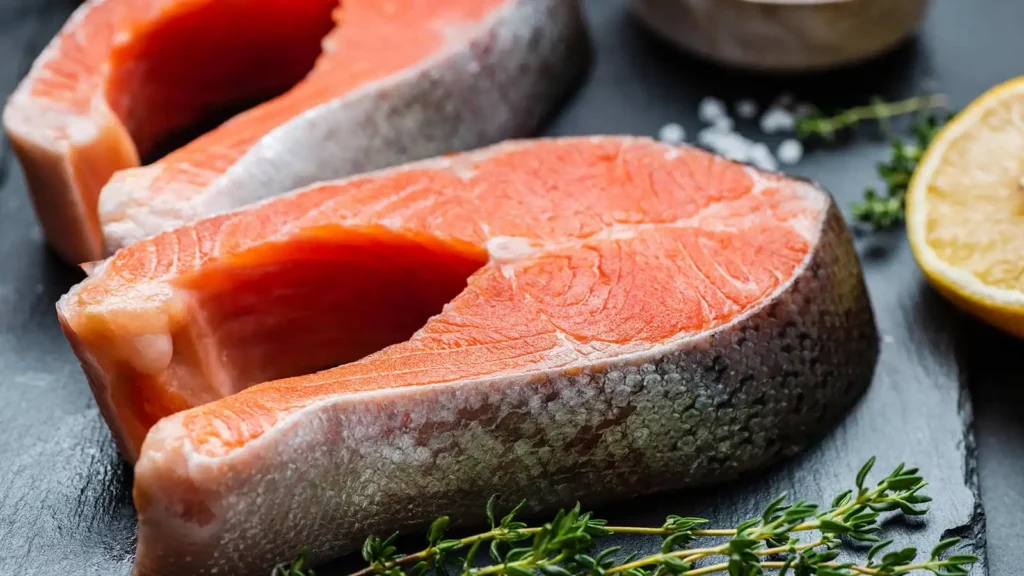
Where chicken is the lean protein champion, salmon is the fatty protein champion — and both have a place in a fat loss diet.
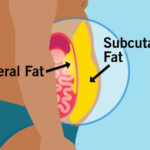
Salmon is rich in omega-3 fatty acids, which reduce inflammation, improve insulin sensitivity, and have been specifically linked to reductions in visceral belly fat. It’s also high in protein (~25g per 100g) and remarkably filling despite being higher in calories than lean poultry.
The inflammation-reducing effects of regular omega-3 intake matter more than most people realize for fat loss. Chronic inflammation — heavily driven by processed food diets — promotes fat storage, disrupts hormones, and makes losing weight harder. Eating fatty fish 2–3 times per week directly counters this.
Sardines, mackerel, and trout offer similar benefits at lower cost if salmon feels expensive.
5. Leafy Greens
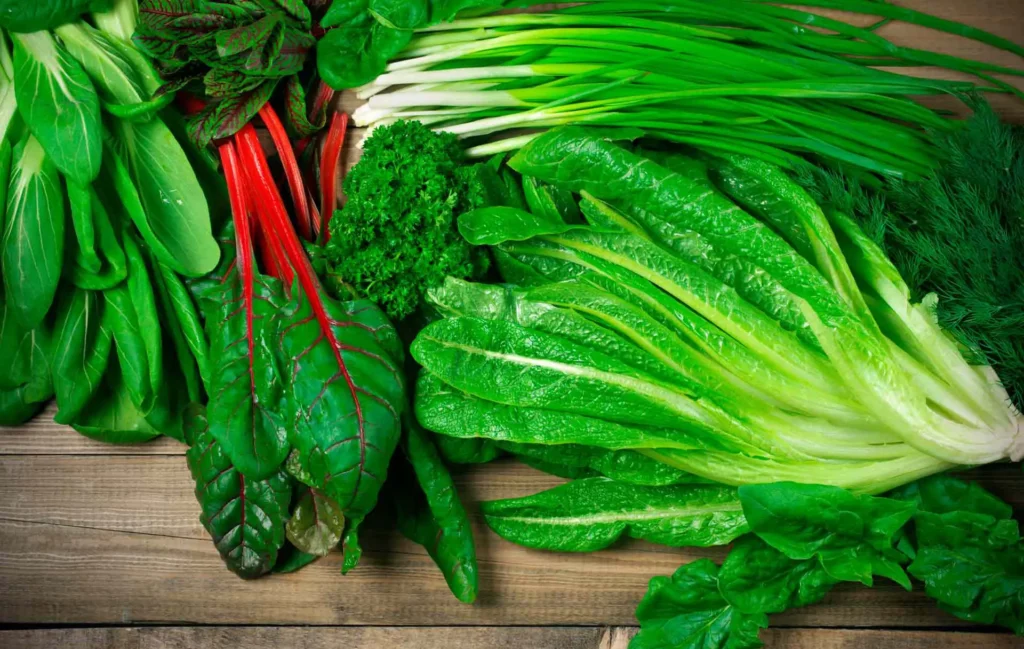
Spinach, kale, arugula, romaine, Swiss chard — these are the ultimate high-volume, low-calorie foods. A massive bowl of spinach contains around 20–30 calories. You physically cannot eat enough leafy greens to gain weight from them.
What they do provide: fiber that feeds beneficial gut bacteria and slows digestion, magnesium that supports insulin sensitivity and sleep quality, folate, iron, and a range of antioxidants that reduce inflammation.
The practical strategy: use leafy greens to add volume to every meal. A large salad base before a meal, spinach added to scrambled eggs, arugula mixed into pasta — these additions make portions feel larger and more satisfying without meaningfully adding calories.
6. Legumes (Lentils, Black Beans, Chickpeas)
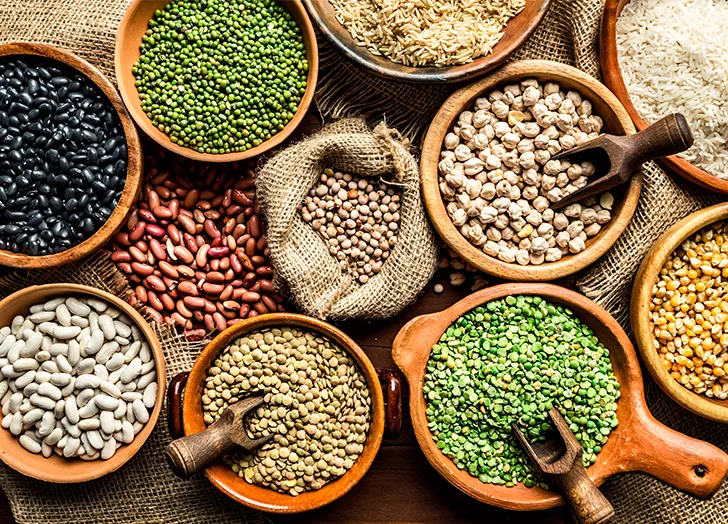
Legumes are one of the most underrated weight loss foods in Western diets. They’re high in both protein and fiber — a combination that’s exceptionally powerful for appetite control — and have a very low glycemic index, meaning they cause minimal blood sugar spikes.
A cup of cooked lentils provides around 18g of protein and 16g of fiber for about 230 calories. That’s an extraordinary nutritional profile for the calorie cost.
Research consistently shows that people who regularly eat legumes have lower body weight, less visceral fat, and better metabolic health than those who don’t — even without other dietary changes.
They’re also cheap, shelf-stable, and easy to batch cook. Add them to soups, salads, grain bowls, or eat them as a side — they fit into almost any meal pattern.
7. Cruciferous Vegetables
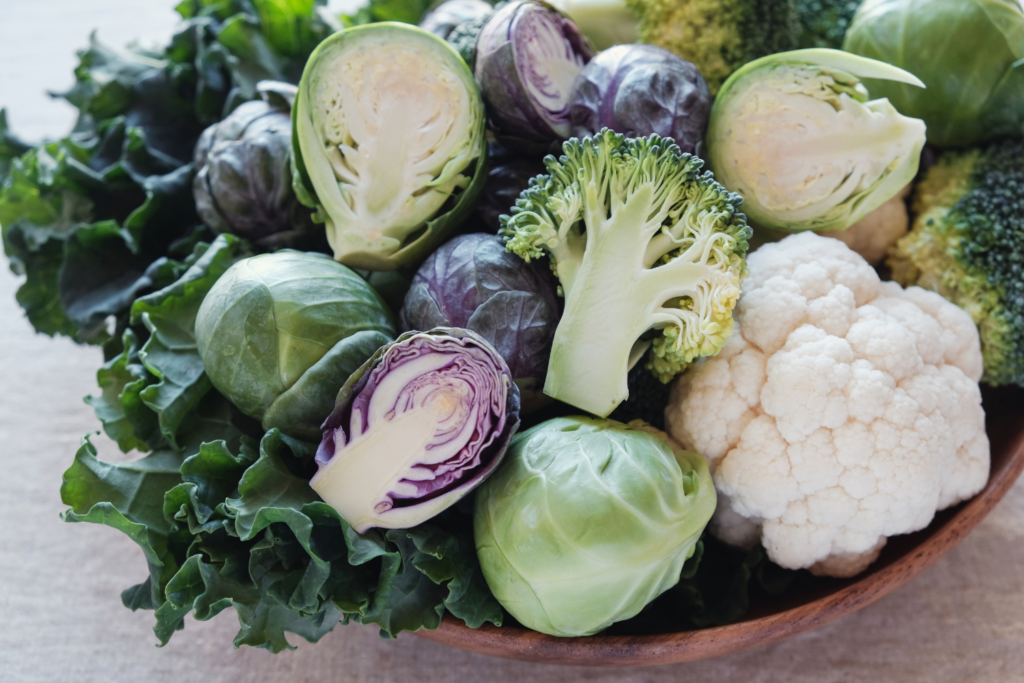
Broccoli, cauliflower, Brussels sprouts, cabbage, and bok choy belong in their own category because of how filling they are relative to their calorie content.
Unlike leafy greens, cruciferous vegetables have enough bulk and fiber to genuinely fill your stomach. A large serving of broccoli with dinner adds volume, fiber, vitamins C and K, and compounds that support liver detoxification and estrogen metabolism — relevant for hormonal fat storage patterns.
They’re also among the most versatile vegetables to cook with. Roasted, steamed, stir-fried, or raw — they hold up to almost any preparation method.
8. Oats
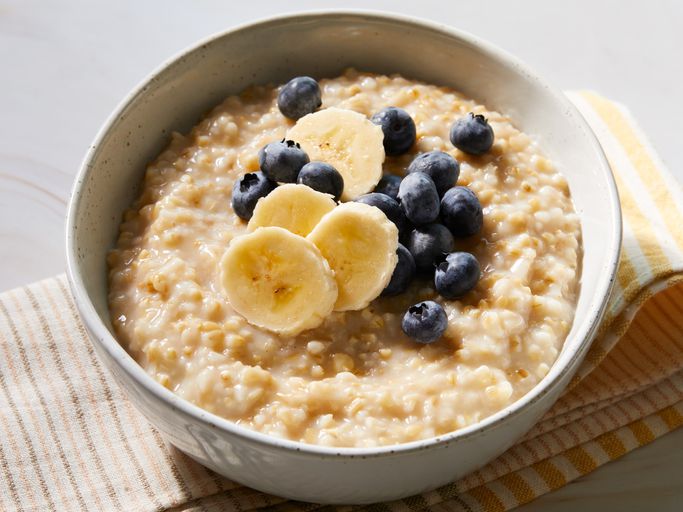
Of all the carbohydrate-based breakfast options, oats have the strongest evidence for supporting weight loss. They’re high in a specific type of soluble fiber called beta-glucan, which forms a thick gel in the digestive tract, slows gastric emptying dramatically, and keeps hunger at bay for hours.
Studies consistently show that oat-based breakfasts produce significantly more satiety and less hunger before lunch compared to other grain-based breakfasts with similar calories.
The key is eating them plain or minimally dressed — flavored instant oat packets are often loaded with added sugar that cancels out the benefits. Plain rolled oats with some protein powder, Greek yogurt, or eggs on the side is an extremely effective fat loss breakfast.
9. Avocado
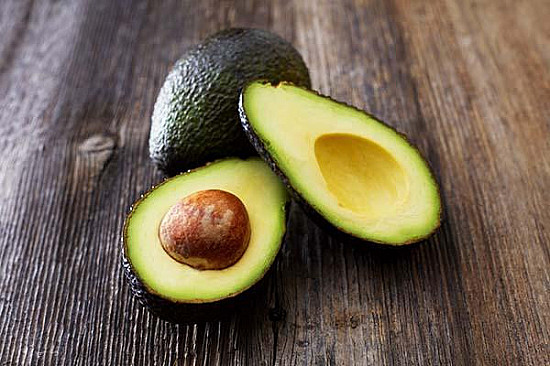
Avocado is calorie-dense but genuinely effective for weight loss — because fat and fiber together create powerful satiety that reduces overall intake.
Half an avocado contains around 120 calories, 6g of fiber, and a hefty dose of monounsaturated fat — the same type found in olive oil that’s been shown to reduce visceral fat accumulation and improve insulin sensitivity.
Research has found that people who eat avocado regularly tend to weigh less and have smaller waist circumferences than those who don’t, despite the higher calorie content. The satiety effect more than compensates.
Add half an avocado to meals rather than using it as a condiment in large quantities — the calories do add up if you’re eating whole avocados multiple times a day.
10. Berries
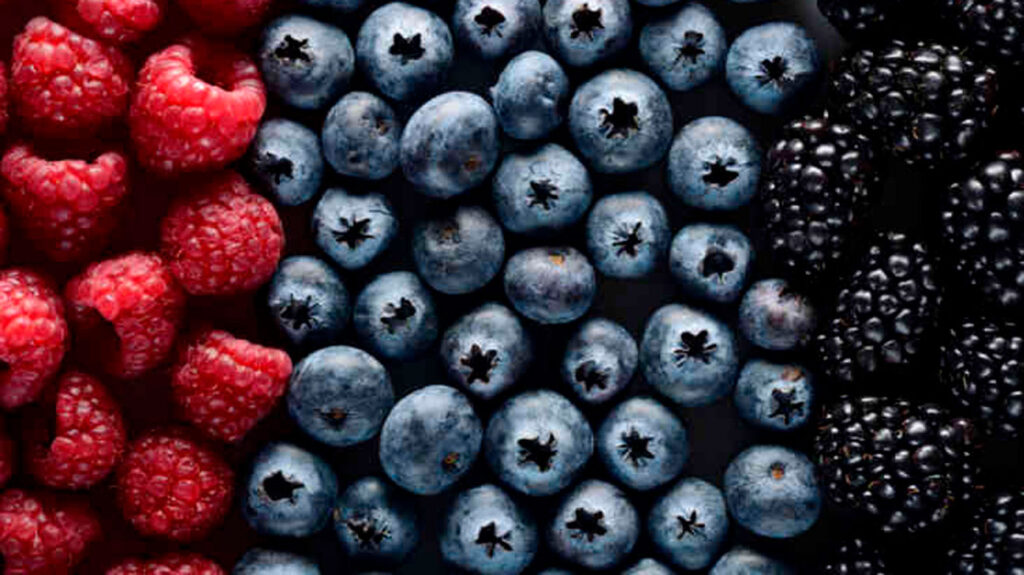
Berries are the ideal fruit for weight loss — high in fiber, relatively low in sugar compared to most fruits, and packed with antioxidants that reduce inflammation and support metabolic health.
Blueberries, raspberries, strawberries, and blackberries all score well. Raspberries in particular are exceptional — a cup contains 8g of fiber for just 65 calories, which is a remarkable ratio.
The fiber in berries slows sugar absorption, preventing the blood sugar spike and crash cycle that drives hunger and cravings. They also satisfy sweet cravings in a way that supports rather than undermines fat loss — unlike processed sweet foods that do the opposite.
Frozen berries are just as nutritious as fresh and significantly cheaper. Keep a bag in the freezer and add them to yogurt, oats, or smoothies daily.
11. Cottage Cheese
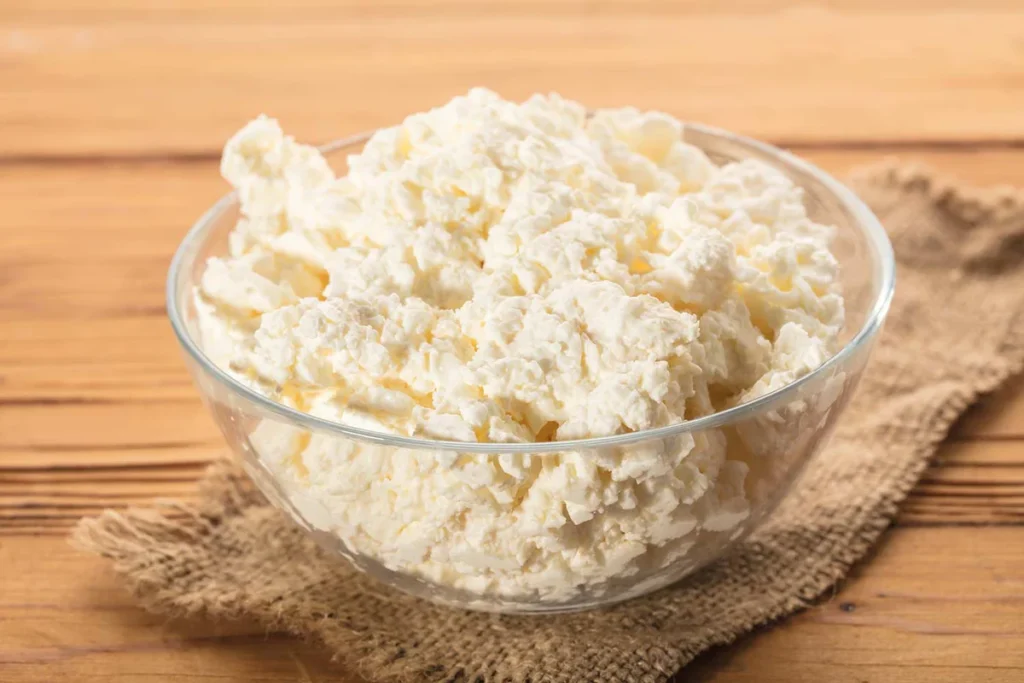
Cottage cheese is one of the most protein-dense foods available and remains surprisingly underutilized outside of fitness circles. A cup of low-fat cottage cheese provides around 25g of protein for roughly 180 calories — an exceptional ratio.
It’s also high in casein protein, which digests slowly and provides sustained amino acid release — making it particularly effective as a pre-bed snack for muscle preservation overnight. This matters for fat loss because preserving muscle keeps your metabolism from dropping as you lose weight.
Eat it plain, with fruit, with hot sauce, or blended into smoothies for a protein boost. It’s one of the easiest foods for hitting the protein targets we outline in our protein guide.
12. Apple Cider Vinegar (As a Condiment, Not a Miracle Cure)
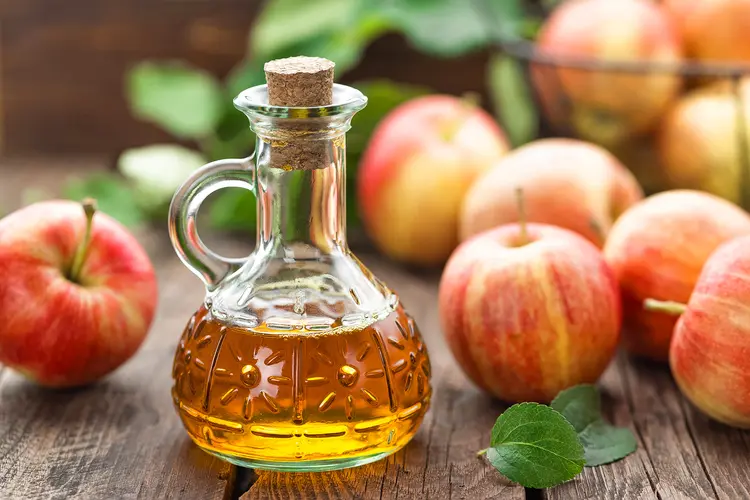
Apple cider vinegar gets a lot of hype, and most of it is overblown. It’s not a fat burner. It won’t melt inches off your waist.
But used as a condiment or salad dressing base, it does have modest evidence for reducing blood sugar spikes after meals and slightly improving satiety. One to two tablespoons mixed into water before a carbohydrate-heavy meal can blunt the post-meal insulin response meaningfully.
Think of it as a small, helpful tool — not a solution on its own.
Foods to Minimize
The flip side of this list is equally important. The foods most consistently associated with weight gain and visceral fat accumulation:
- Sugary drinks — soda, juice, sweetened coffee, energy drinks
- Ultra-processed snack foods — chips, crackers, packaged cookies
- Refined grains — white bread, white pasta, most breakfast cereals
- Fast food and fried foods
- Alcohol — particularly beer and sugary cocktails
Cutting added sugar is one of the single most impactful dietary changes for belly fat specifically. Our full breakdown of what happens when you cut sugar for 30 days shows exactly why — and what to expect when you do it.
Putting It Together: A Day of Eating for Fast Fat Loss
Here’s what a day built around these foods actually looks like:
Breakfast: 3 scrambled eggs + 1 cup plain Greek yogurt with berries + black coffee
Lunch: Large spinach salad with grilled chicken, chickpeas, avocado, and olive oil dressing
Snack: Cottage cheese with a handful of blueberries
Dinner: Baked salmon with roasted broccoli and a small serving of oats or sweet potato
Total protein: ~150g | Fiber: ~35g | Added sugar: ~0g
This isn’t a diet plan — it’s just an example of what a day looks like when you build meals around the foods on this list. It’s filling, nutritious, and creates a natural calorie deficit without counting a single number.
For a full strategy around how these foods fit into a broader fat loss plan — including calorie targets, exercise, and sleep — our guide to how to lose 10 pounds in a month pulls everything together.
The Bottom Line
You don’t need exotic superfoods, expensive supplements, or complicated meal plans to lose weight fast. You need to build your diet around foods that keep you full, stabilize blood sugar, and support your metabolism — and most of them are sitting in your local grocery store right now.
Eggs, Greek yogurt, lean protein, leafy greens, legumes, berries, oats, avocado. Master these and you’ve mastered the foundation of effective, sustainable fat loss.
Which of these foods are already a regular part of your diet? And which ones are you going to add first? Share in the comments.
Stop Wondering What to Eat This Week
Get my free 7-Day High-Protein Weight Loss Meal Plan delivered straight to your inbox — a simple week of satisfying, protein-focused meals designed to make healthy eating easier without complicated calorie tracking.
- 7 full days of breakfast, lunch, dinner & snacks
- One complete shopping list for the whole week
- A quick high-protein food cheat sheet
- Simple daily tips to help you stay on track
Free PDF • Delivered by email • Unsubscribe anytime
Check your inbox 💜
Your free 7-day high-protein meal plan is on its way.