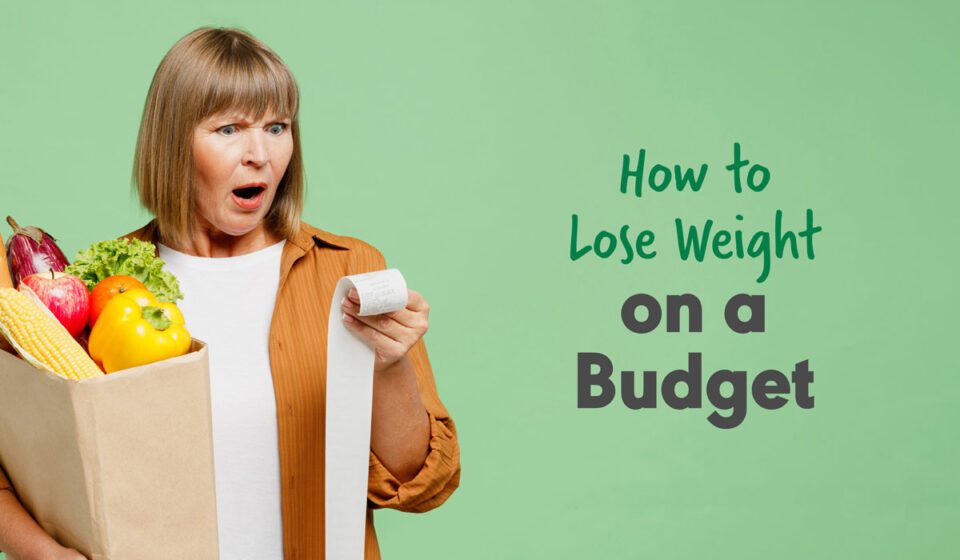

Healthy eating doesn’t have to be expensive. Here’s how to lose weight without breaking the bank.

One of the most persistent myths about healthy eating is that it’s expensive. Organic produce, grass-fed beef, specialty supplements, gym memberships, meal delivery services — the wellness industry has done a remarkable job of making fat loss look like a luxury.
It isn’t. Some of the most effective fat loss foods on the planet are also some of the cheapest. And the most important fat loss habits — walking, sleeping, managing stress, eating protein and vegetables — cost almost nothing.
Here’s how to lose weight effectively on a tight budget.
The Expensive Myth of Healthy Eating
Let’s address this directly. The idea that eating well is inherently expensive comes from comparing the wrong things.
Comparing organic salmon to fast food? Yes, the salmon costs more per meal. But comparing a home-cooked lentil soup to a fast food meal? The lentils win easily — and they’re more nutritious, more filling, and higher in protein.
The expensive version of healthy eating — fancy supplements, specialty stores, trendy superfoods — is optional, not required. The effective version of healthy eating is built on cheap, whole foods that have been nourishing people for centuries.
The Cheapest High-Protein Foods Available
Protein is the most important macronutrient for fat loss — as we cover in detail in our guide to how much protein you actually need per day. And fortunately, some of the best protein sources are also some of the most affordable.
Eggs — consistently one of the cheapest sources of complete protein available. A dozen eggs provides 72g of high-quality protein for typically under $3. Hard to beat.
Canned tuna and sardines — shelf-stable, require no cooking, and deliver 20–25g of protein per can for around $1–2. Sardines in particular are also rich in omega-3s and calcium.

Lentils — a cup of dry lentils costs pennies, expands significantly when cooked, and delivers 18g of protein and 16g of fiber per cooked cup. One of the most nutritionally dense foods per dollar available anywhere.
Canned beans (black beans, chickpeas, kidney beans) — similar to lentils in nutritional profile, even more convenient since they require no cooking. Around $1 per can with 2–3 servings.
Cottage cheese — often overlooked but remarkably protein-dense at 25g per cup for typically $3–4 per large container with multiple servings.
Chicken thighs (not breast) — chicken breast is popular but chicken thighs are significantly cheaper, often on sale, and actually more flavorful. Still high protein, just with slightly more fat — which is fine in the context of a balanced diet.
Greek yogurt (store brand, plain) — store-brand plain Greek yogurt is significantly cheaper than name brands and nutritionally identical. 15–20g of protein per cup.
Frozen fish — frozen tilapia, pollock, and other white fish are far cheaper than fresh fish and nutritionally comparable. A bag of frozen fish fillets provides multiple high-protein meals for the price of one restaurant serving.
The Cheapest High-Fiber, High-Volume Vegetables
Vegetables are the other cornerstone of effective fat loss eating — high in fiber, low in calories, and filling when eaten in quantity. And many of the best ones are extremely cheap.
Frozen vegetables — frozen spinach, broccoli, peas, mixed vegetables, and edamame are nutritionally equivalent to fresh (frozen at peak ripeness) and cost a fraction of the price. A large bag of frozen broccoli costs $2–3 and provides multiple servings.
Cabbage — one of the most underrated budget vegetables. Remarkably cheap per pound, high in fiber and vitamin C, and versatile in cooking.
Carrots — a bag of carrots is almost always one of the cheapest items in the produce section. Raw as a snack, roasted as a side, or added to soups and stews.
Canned tomatoes — a pantry staple that adds volume, fiber, and nutrition to dozens of dishes for very little cost.
Onions and garlic — cheap, shelf-stable, and they make everything taste better. High in prebiotic fiber that feeds beneficial gut bacteria.
Bananas — one of the cheapest fruits per serving, reasonably high in potassium and fiber, and a fast, portable snack.
Apples — another cheap, filling fruit with reasonable fiber content. More satisfying as a snack than most processed alternatives that cost five times as much.
Budget Meal Planning: The Weekly Template
Here’s how a full week of budget-friendly, fat-loss-focused eating can look — built entirely around cheap whole foods.
Breakfast options (rotate through the week):
- Scrambled eggs (2–3) with sautéed frozen spinach
- Oats with banana and a spoonful of peanut butter
- Greek yogurt (plain, store brand) with frozen berries microwaved as a topping
- Eggs any style with canned beans on the side
Lunch options:
- Large salad with canned tuna, mixed greens, carrots, and olive oil/vinegar
- Lentil soup (batch cooked — costs pennies per serving)
- Cottage cheese with raw vegetables and fruit
- Leftover dinner
Dinner options:
- Chicken thighs roasted with frozen vegetables
- Black bean and vegetable stir-fry with rice
- Canned sardines with roasted cabbage and sweet potato
- Lentil and canned tomato stew with a poached egg on top
Snacks:
- Hard-boiled eggs (batch cook 6–8 at a time)
- Raw carrots with peanut butter
- Plain Greek yogurt
- Banana or apple
This eating pattern — high protein, high fiber, minimal processed food, no liquid calories — is exactly the dietary approach that drives fat loss most effectively. And it costs significantly less than most people spend on a diet of processed convenience food.
Smart Budget Shopping Strategies
Shop the Perimeter, Buy the Basics
The most expensive items in any grocery store tend to be in the middle aisles — packaged, processed, and branded foods with large marketing budgets built into their prices. The cheapest, most nutritious foods are on the perimeter: produce, eggs, dairy, meat, and frozen foods.
Stick to the perimeter and the frozen section for the majority of your shop and you’ll spend less while eating better.
Buy Frozen Over Fresh When Possible
Frozen vegetables and fruits are nutritionally equivalent to fresh — often superior, since they’re frozen at peak ripeness rather than picked early and ripened in transit. They’re significantly cheaper, last indefinitely in the freezer, and produce zero waste.
Frozen protein sources — fish fillets, edamame, chicken — are similarly cheaper than fresh with no quality compromise.
Buy in Bulk for Non-Perishables
Dry lentils, dry beans, oats, canned fish, canned tomatoes, and canned beans all keep for months to years and are substantially cheaper per serving when bought in larger quantities. A large bag of oats costs roughly the same as a few single-serve packets.
Cook in Batches
Batch cooking is the single most effective way to make cheap eating convenient. Cooking a large pot of lentil soup, a tray of roasted chicken thighs, and a big batch of rice on Sunday means healthy, cheap meals are ready to grab all week.
The time cost is one to two hours on a weekend day. The financial saving compared to buying convenience food or eating out is significant. And it removes the decision fatigue that leads to poor food choices when you’re tired and hungry.
Use Store Brands
Store-brand Greek yogurt, canned fish, frozen vegetables, and oats are nutritionally identical to name brands at 30–50% lower cost. Brand recognition is not a nutritional benefit.
Reduce or Eliminate Alcohol
This deserves mention in a budget context because alcohol is remarkably expensive relative to its nutritional value — which is zero. Regular moderate drinking adds $50–200 per month to many people’s food budgets. Cutting back or eliminating it saves significant money while also improving fat loss results — alcohol impairs sleep, raises cortisol, and contributes to belly fat specifically.
Free and Cheap Exercise Options
Exercise is optional for fat loss — diet does most of the work — but it significantly improves body composition, metabolic health, and sustainability of results. And it doesn’t have to cost anything.
Walking — completely free, highly effective, requires no equipment. As we cover in our guide to how to lose weight without going to the gym, 8,000–10,000 steps per day is one of the highest-return fat loss habits available. Zero cost.
Bodyweight training at home — push-ups, squats, lunges, glute bridges, planks — a complete strength training program requiring no equipment. YouTube has thousands of free guided bodyweight workout videos.
Running — free beyond the initial cost of decent shoes. If you enjoy it, it’s one of the most calorie-efficient forms of exercise available.
Free outdoor spaces — parks, trails, hills, and public recreation areas provide opportunities for hiking, cycling, and outdoor exercise at no cost.
Library fitness books and free online resources — rather than expensive programs and apps, free resources from reputable sources provide everything needed to structure an effective home workout program.
A gym membership is a nice-to-have, not a requirement. The fundamentals of fat loss — walking, bodyweight strength, adequate protein, good sleep — are available to everyone regardless of budget.
What Not to Spend Money On
The budget conversation cuts both ways — not just how to spend less on food, but what to stop wasting money on entirely.
Expensive supplements and fat burners — as we cover in our article on the truth about weight loss supplements, most weight loss supplements are ineffective marketing products. The evidence-based supplements worth considering (protein powder if needed, magnesium, vitamin D) are inexpensive. Everything else is discretionary at best.
Detox teas and cleanses — completely ineffective and often expensive. Money wasted every time.
Meal delivery services — convenient but expensive. A few hours of batch cooking per week achieves the same goal for a fraction of the cost.
Organic versions of everything — the dirty dozen list identifies the 12 produce items where organic has the most pesticide benefit. Everything else can be bought conventional without meaningful health compromise.
Specialty “diet” foods — low-carb tortillas, protein cookies, diet bars, “clean” packaged snacks — these are all more expensive than the whole food alternatives and often less effective for fat loss. Real food beats engineered diet food almost every time.
A Sample Weekly Budget
To make this concrete, here’s an approximate weekly grocery spend for one person following the approach above — prices will vary by location but the proportions are representative:
- Eggs (dozen): $3
- Greek yogurt (large tub, store brand): $4
- Chicken thighs (2 lbs): $5
- Canned tuna (4 cans): $5
- Dry lentils (2 lbs): $3
- Canned beans (4 cans): $4
- Frozen vegetables (2 large bags): $6
- Fresh vegetables (cabbage, carrots, onions, garlic): $6
- Oats (large bag): $4
- Frozen fruit (berries): $4
- Bananas and apples: $4
- Olive oil, basic spices (amortized weekly): $3
- Canned tomatoes (4 cans): $4
Approximate total: $55 per week
This provides three protein-rich, high-fiber meals per day plus snacks for one person — roughly $8 per day. Less than the cost of a single fast food meal in most places, and significantly more nutritious and filling.
For a couple, bulk purchases reduce the per-person cost further. For a family, the same principles apply with scaled quantities.
The Bottom Line
Losing weight on a budget isn’t just possible — the foods that drive fat loss most effectively happen to be among the cheapest available. Eggs, lentils, canned fish, frozen vegetables, oats, Greek yogurt — these are not expensive specialty items. They’re the staple foods that have fed people affordably for generations.
The expensive version of healthy eating is optional. The effective version is not only affordable — it’s accessible to almost everyone.
Build your diet around cheap protein and fiber sources. Batch cook. Buy frozen. Skip the supplements. Walk for free. Sleep for free. And ignore the wellness industry’s insistence that you need expensive products to achieve results that simple, consistent habits produce far more reliably.
For a complete framework of the fat loss strategies that actually move the needle — most of which cost nothing — our guide to how to get rid of belly fat is the best place to start.
What are your favorite budget-friendly healthy foods? Share in the comments — the best tips often come from people who’ve actually figured this out in real life.