
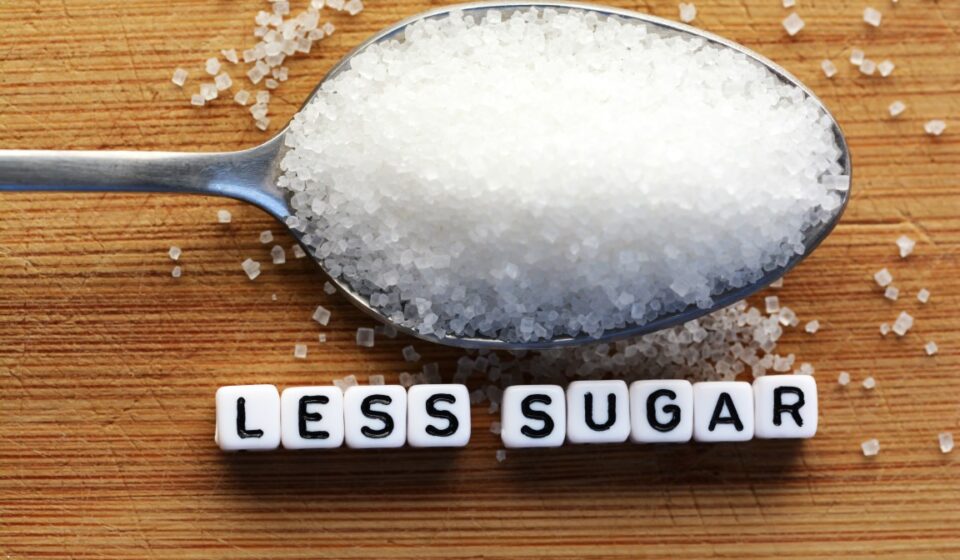

Cutting sugar for 30 days sounds simple on paper. In practice, the first week feels like your brain is staging a full revolt. But push through that, and what happens to your body is pretty remarkable — and it goes way beyond just losing a few pounds.

This is a day-by-day, week-by-week breakdown of what to actually expect when you eliminate added sugar for 30 days. The good, the bad, and the “why didn’t anyone tell me about this” parts.
First, What Counts as “Cutting Sugar”?
To be clear — we’re talking about added sugar, not naturally occurring sugar in whole fruits, vegetables, or plain dairy. Your body processes these differently because they come packaged with fiber, water, and nutrients that slow absorption.
What you’re eliminating:
- Soda, juice, energy drinks, sweetened coffee
- Candy, chocolate, desserts, pastries
- Flavored yogurts, granola bars, breakfast cereals
- Sauces and condiments with added sugar (ketchup, BBQ sauce, most salad dressings)
- Alcohol — especially beer, wine, and cocktails
- Anything with sugar, corn syrup, cane juice, dextrose, maltose, or any “ose” in the ingredients
Natural sweeteners like honey and maple syrup count too — they’re still sugar, just with better PR.
Week 1: The Withdrawal Is Real
Don’t let anyone tell you sugar isn’t addictive. The first 3–5 days can feel rough, especially if your current diet is high in sugar.
What you’ll likely experience:
- Headaches
- Fatigue and brain fog
- Irritability (your friends and family will notice before you do)
- Strong cravings, especially in the afternoon and after meals
- Disrupted sleep in the first few nights
This is your brain throwing a tantrum because dopamine levels drop when the sugar hits stop. It’s temporary. Most people feel noticeably better by day 5–7.
What’s also happening under the surface:
- Insulin levels start to stabilize
- Blood sugar stops spiking and crashing throughout the day
- Your gut bacteria begin shifting toward healthier strains
Push through week one. It’s the hardest part by far.
Week 2: Energy Starts to Stabilize
By the second week, something shifts. The cravings don’t disappear entirely, but they become manageable. And that rollercoaster energy you probably didn’t even realize you had — the mid-morning crash, the 3pm slump, the desperate reach for something sweet — starts to flatten out.
What you’ll notice:
- More consistent energy throughout the day
- Fewer hunger spikes between meals
- Reduced bloating (sugar feeds gut bacteria that produce gas)
- Skin may start to look clearer — inflammation is dropping
- Better focus and mental clarity
Your taste buds are also recalibrating. Foods that used to taste normal start tasting sweeter. A plain apple might actually taste like dessert by the end of week two. This isn’t placebo — your taste receptors genuinely adapt.
Week 3: Your Body Composition Starts Shifting
This is where things get interesting on the fat loss front.
Lower insulin levels mean your body is spending more time in fat-burning mode rather than fat-storage mode. Visceral belly fat — the deep, dangerous kind — is particularly responsive to insulin reduction. You may not see dramatic visual changes yet, but the process is well underway.
What’s happening:
- Visceral fat is being mobilized and burned for energy
- Water retention drops (sugar causes your body to hold water — losing it can mean 2–4 lbs gone just from that)
- Liver fat begins to reduce — critical for metabolic health
- Inflammation markers in the blood are measurably lower
If you’ve been struggling with stubborn belly fat, this is exactly why cutting sugar is one of the most powerful first steps — as we break down in detail in our guide to how to get rid of belly fat.
Week 4: The Results You Can Actually See and Feel
By the end of 30 days, most people report feeling genuinely different — not just physically but mentally.
Common results at day 30:
- 4–8 lbs of weight loss (varies widely depending on starting diet)
- Noticeably flatter stomach, primarily from reduced bloating and water retention
- Clearer skin — sugar is one of the biggest dietary drivers of acne and dullness
- Better sleep quality and easier time falling asleep
- Improved mood and reduced anxiety (blood sugar swings have a direct effect on mood)
- Significantly reduced cravings — many people are surprised how little they miss sugar by this point
- Lower blood pressure and improved cholesterol in many cases
The mental shift is often what surprises people most. After 30 days, the idea of going back to your old habits feels unappealing — not because you’re being disciplined, but because you actually feel too good to want to.
What the Science Says
This isn’t just anecdotal. Research consistently shows that reducing added sugar intake leads to:
- Significant reductions in visceral (belly) fat
- Improved insulin sensitivity
- Lower triglycerides and LDL cholesterol
- Reduced systemic inflammation
- Better cognitive function and memory
The liver in particular benefits enormously. Non-alcoholic fatty liver disease — increasingly common and largely driven by fructose overconsumption — begins to reverse with as little as 4 weeks of sugar reduction.
The Most Common Pitfalls (And How to Avoid Them)
Falling for “sugar-free” labels. Many sugar-free products are loaded with artificial sweeteners that maintain sweet cravings and can disrupt gut bacteria. If you want the full reset, go naturally sugar-free — whole foods, not processed alternatives.
Forgetting about drinks. Liquid sugar is the biggest hidden source for most people. Sweetened coffee alone can contain 30–40g of added sugar per day. Switch to black coffee, plain tea, or sparkling water.
Not eating enough. When you cut sugar, you can accidentally under-eat, especially if processed snacks were a big part of your calories. Make sure you’re replacing sugar with real food — protein, healthy fats, and complex carbs. Otherwise cravings will win.
Giving up during week one. As covered above, the first few days are withdrawal, not your new normal. Almost everyone who pushes past day 5 reports it getting dramatically easier.
If you’ve been making other common mistakes with your fat loss approach, it’s worth reading why you’re not losing belly fat — many of them tie directly back to sugar intake.
Should You Do It Permanently?
You don’t have to go sugar-free forever to keep the benefits. Most people find that after 30 days, their relationship with sugar naturally resets — they want less of it, enjoy it more when they do have it, and don’t feel controlled by cravings anymore.
A reasonable long-term approach for most people: keep added sugar under 25–30g per day (the WHO recommends under 25g), enjoy the occasional treat intentionally, and avoid going back to the unconscious daily sugar habit that most modern diets involve.
Thirty days is just the reset button. What you do after is up to you.
Your 30-Day Sugar Cut: Quick Start Checklist
- Clear your pantry of obvious sugar sources
- Stock up on protein-rich snacks for cravings (boiled eggs, nuts, cheese, Greek yogurt)
- Switch all drinks to water, sparkling water, black coffee, or plain tea
- Read labels on everything for the first week — you’ll be shocked what has sugar in it
- Plan your meals for the first 5 days so you’re not making decisions when hungry
- Tell someone you’re doing it — accountability makes a real difference
Thirty days. That’s all it takes to fundamentally change how your body processes energy, how your belly looks, and how much control you have over your own appetite.
The first week is the price of admission. Everything after that is the reward.
Have you tried cutting sugar before? How long did it take before you noticed a difference? Share in the comments.


