
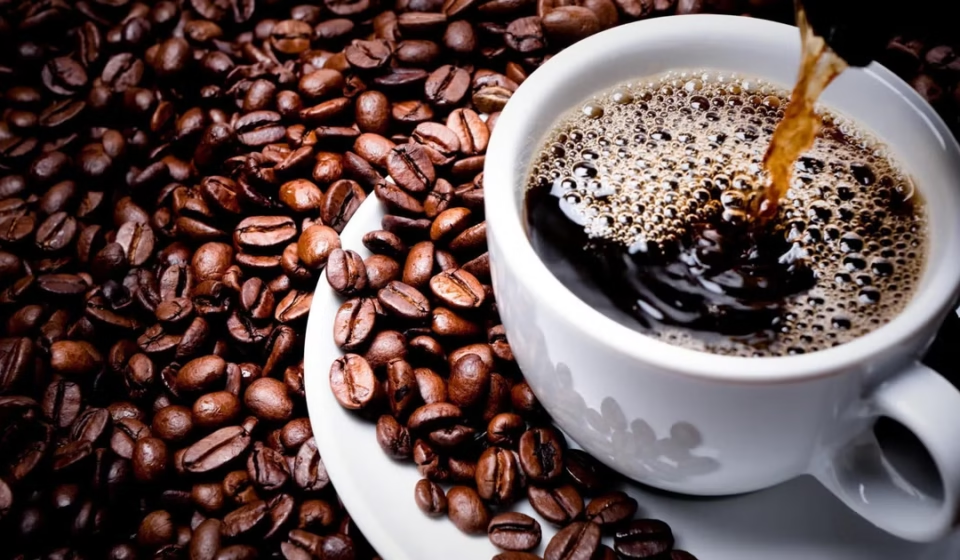
Coffee and Weight Loss: How to Use Your Morning Cup to Burn More Fat

You’re already drinking it. Here’s how to make it work harder for your goals.
Coffee is the most widely consumed psychoactive substance in the world — and one of the most studied. Unlike most things associated with weight loss, coffee has decades of robust research behind it, and the findings are consistently positive for fat loss in ways that go well beyond “it gives you energy to exercise.”
Caffeine is one of the only compounds with solid evidence for raising metabolic rate, enhancing fat oxidation, and improving exercise performance — effects that translate directly to better fat loss outcomes.
But how you drink your coffee matters enormously. The difference between a fat-loss-supporting coffee habit and a fat-loss-sabotaging one is entirely in what you add to it.
Here’s everything you need to know about coffee and weight loss — the science, the strategies, and the mistakes.
What Coffee Actually Does for Weight Loss
It Raises Metabolic Rate
Caffeine is one of the most reliably documented metabolic stimulants in nutrition science. Studies consistently show that caffeine raises resting metabolic rate by 3–11% — translating to roughly 50–100 extra calories burned per day depending on body size and caffeine dose.
This is real but modest. The metabolic effect is most pronounced in people who aren’t habitual heavy coffee drinkers — regular consumers develop tolerance to caffeine’s thermogenic effects over time, meaning the metabolism-boosting impact diminishes with habitual use.
Practical implication: Cycling caffeine use — having lower-caffeine days periodically — helps maintain sensitivity to its metabolic effects. Some people find that reducing caffeine for a week every month or two keeps the effects stronger when they return to regular use.
It Enhances Fat Burning During Exercise
This is arguably the most valuable fat loss effect of caffeine for people who exercise. Multiple well-designed studies have shown that consuming caffeine before exercise significantly increases fat oxidation — the use of stored fat as fuel — during moderate-intensity exercise.
The mechanism: caffeine stimulates the release of adrenaline, which signals fat cells to break down and release fatty acids into the bloodstream for use as energy. It also inhibits an enzyme that normally breaks down cyclic AMP — a molecule involved in fat breakdown — allowing fat oxidation to proceed more effectively.
Practically: the same workout burns a higher proportion of fat when caffeinated. This shifts body composition in a favorable direction over time.
The optimal pre-workout dose: 3–6mg of caffeine per kilogram of bodyweight, consumed 30–60 minutes before exercise. For a 70kg (154 lb) person that’s 210–420mg — roughly 2–4 cups of coffee or 1–2 espresso shots. Most research uses doses in this range.
It Suppresses Appetite
Caffeine reduces appetite acutely — particularly in the 1–3 hours after consumption. This is one of the reasons many people find that coffee in the morning reduces mid-morning hunger and delays the first meal.
The appetite-suppressing effect is real but temporary. It typically lasts 1–3 hours before fading, which is why coffee is more useful as a short-term hunger management tool than a permanent solution.
For people practicing intermittent fasting — extending their morning fast — black coffee is one of the most commonly used tools for managing hunger during the fasting window, as discussed in our article on whether intermittent fasting is worth it. Black coffee contains essentially zero calories and doesn’t break a fast.
It Improves Exercise Performance
Beyond fat burning, caffeine meaningfully improves physical performance — endurance, strength, power output, and perceived effort all benefit. This makes workouts more effective, which improves the fat loss and body composition outcomes of exercise over time.
People who exercise caffeinated consistently do more work per session than those who don’t — and that cumulative additional work produces real results over weeks and months.
It Contains Beneficial Antioxidants
Coffee is actually one of the largest sources of dietary antioxidants in the Western diet — not because it’s especially antioxidant-rich per serving, but because people drink so much of it.
The chlorogenic acids in coffee have anti-inflammatory effects, improve insulin sensitivity, and may contribute to the association between moderate coffee consumption and reduced risk of type 2 diabetes found in epidemiological research.
Improved insulin sensitivity directly supports fat loss — particularly visceral belly fat — by reducing the chronic insulin elevation that promotes abdominal fat storage. As we cover in our comprehensive guide to how to get rid of belly fat, insulin sensitivity is one of the primary hormonal drivers of belly fat accumulation and loss.
The Coffee Mistake That Eliminates All the Benefits
Here’s the thing that makes coffee either a fat loss asset or a fat loss saboteur: what you put in it.
Black coffee: ~2–5 calories per cup. Essentially zero caloric impact. All the fat-burning, metabolic, and appetite-suppressing benefits intact.
Coffee with whole milk: ~20–30 calories per cup. Still low calorie. Benefits largely intact.
Coffee with whole milk and one sugar: ~60–80 calories per cup. Starting to add up. Blood sugar spike from the sugar partially negates the insulin sensitivity benefits.
A large latte with flavored syrup: ~300–400 calories per drink. Significant sugar content. The insulin spike from the sugar directly counters the fat-burning effects of the caffeine.
A large flavored Frappuccino-style drink: 400–600 calories. More sugar than a can of soda. The caffeine barely makes a dent in the metabolic damage done by the sugar and cream.
The single most impactful coffee-related change for fat loss: switch from sweetened, milk-heavy coffee drinks to black coffee, Americano, or coffee with a small amount of milk.
This single change removes 200–500 calories per day for many people — more than most dietary interventions — while preserving all of coffee’s fat loss benefits.
How to Make Black Coffee More Enjoyable
The most common objection: “I don’t like black coffee.”
This is almost always a quality and preparation issue, not an inherent preference. Most people who don’t like black coffee have been drinking poor-quality or poorly prepared coffee.
Use better coffee. Cheap, stale, or low-quality coffee is genuinely unpleasant black. Fresh, high-quality beans brewed correctly are a completely different experience. Specialty coffee from a local roaster or quality supermarket brand, ground fresh if possible, changes the black coffee experience dramatically.
Brew it correctly. Over-extracted coffee (brewed too hot, too long, or with too fine a grind) is bitter. Under-extracted is sour. Dialed-in brewing produces coffee that is complex and pleasant without requiring milk to mask the bitterness.
Try different brewing methods. French press, pour-over, and AeroPress produce notably different flavor profiles than drip machines — many people who dislike black drip coffee enjoy black pour-over.
Start by reducing gradually. Going from a sweet milky coffee to black in one step is jarring. Reducing the sugar by half each week and gradually reducing milk allows taste adaptation to happen naturally.
The Optimal Coffee Strategy for Fat Loss
Based on the evidence, here’s how to use coffee most effectively for fat loss:
Drink black coffee or with minimal milk. No sugar, no syrups, no flavored creamers. This is non-negotiable for maximizing fat loss benefits.
Have 1–2 cups in the morning. Morning consumption aligns with naturally higher cortisol levels and provides the metabolic and appetite benefits throughout the first half of the day.
Have 1–2 cups 30–60 minutes before exercise. This maximizes the fat oxidation and performance benefits during the workout.
Stop caffeine by 1–2pm. Caffeine has a half-life of 5–6 hours — meaning half the caffeine from a 2pm coffee is still in your system at 7–8pm. As we cover in our article on why sleep is the most underrated weight loss tool, sleep quality is foundational to fat loss. Afternoon and evening caffeine disrupts sleep quality even when it doesn’t prevent falling asleep — reducing the deep sleep that supports metabolic health and hunger hormone regulation.
Total daily caffeine: 200–400mg is the range associated with fat loss benefits without significant downsides for most healthy adults. That’s roughly 2–4 standard cups of brewed coffee.
Situations Where Coffee’s Benefits Are Limited or Counterproductive
Heavy habitual users. People drinking 5–6 cups of coffee daily have typically developed significant tolerance to caffeine’s metabolic effects. The fat-burning and appetite-suppressing benefits are diminished compared to moderate users.
People with anxiety. Caffeine amplifies anxiety symptoms. For people managing anxiety — particularly those for whom cortisol is already elevated — the additional sympathetic nervous system activation from caffeine can increase cortisol, which promotes belly fat storage rather than reducing it.
People with poor sleep. If caffeine is disrupting your sleep even slightly, the metabolic damage from that sleep disruption exceeds the metabolic benefit of the caffeine. Fix the sleep first.
Pregnant women. Caffeine intake during pregnancy should be limited to under 200mg per day based on current guidelines. Weight loss is not recommended during pregnancy regardless.
People with certain heart conditions. High caffeine consumption is associated with increased heart rate and blood pressure — relevant for people with cardiovascular conditions. Discuss with your doctor.
Coffee Timing and Cortisol: The 90-Minute Rule
This is a nuance worth knowing: cortisol — your primary stress and alertness hormone — naturally peaks in the first 30–60 minutes after waking. Drinking coffee during this cortisol peak doesn’t add much benefit from the alertness and energy perspective (cortisol is already doing that job) but does contribute to tolerance buildup.
Some research suggests waiting 90 minutes after waking before having your first coffee maximizes the alertness and performance benefits — the caffeine hits when cortisol is naturally starting to decline.
This is a refinement rather than a requirement — the fat loss benefits aren’t dramatically affected by timing relative to waking. But for people who want to optimize both alertness and caffeine sensitivity, the 90-minute delay is worth trying.
Coffee Additions That Don’t Ruin the Benefits
If you genuinely can’t drink black coffee, these additions are relatively low-impact:
A small amount of whole milk or cream: Adds 20–50 calories with minimal effect on blood sugar. Fine.
Unsweetened almond or oat milk: 10–30 calories, no sugar. Fine.
Cinnamon: Zero calories, actually improves insulin sensitivity slightly. Excellent addition.
Collagen powder: Zero net carbs, adds some protein. Fine from a fat loss perspective.
Coconut oil or MCT oil (bulletproof-style): Adds significant calories — 100–200 per tablespoon. This can work within a ketogenic or low-carb approach but is not broadly recommended for fat loss.
What to avoid: Any flavored syrups, sugar in any form, sweetened milk alternatives, whipped cream, caramel drizzle, or any of the additions that turn coffee into dessert.
The Coffee and Weight Loss Research Summary
For people who want the bottom line on what’s established:
- Caffeine raises metabolic rate by 3–11% — real but modest
- Pre-workout caffeine increases fat oxidation during exercise — consistent finding
- Coffee reduces appetite for 1–3 hours after consumption — real but temporary
- Chlorogenic acids improve insulin sensitivity — relevant for belly fat
- Moderate coffee consumption (3–5 cups/day) is associated with lower body weight in population studies
- All benefits apply to black or minimally modified coffee — sweetened drinks actively harm fat loss
The Bottom Line
Coffee is one of the most legitimate and evidence-backed tools available for supporting fat loss — and most people are already drinking it. The question is whether they’re drinking it in a way that supports or undermines their goals.
Black coffee, consumed in moderation, at the right times, is genuinely useful. Sweetened, milk-heavy coffee drinks are calorie-dense obstacles to fat loss dressed up as familiar comfort.
The change is simple: drink it black, or as close to black as you can manage. Time it before workouts. Stop by early afternoon to protect sleep. And let it do the modest but real work it’s capable of.
For the complete fat loss strategy that coffee supports at the margins, our guide to how to get rid of belly fat covers all the foundations that matter most.
Are you a black coffee convert or still adding milk and sugar? Share your coffee habits in the comments — and any tips for making the switch to black.
Stop Wondering What to Eat This Week
Get my free 7-Day High-Protein Weight Loss Meal Plan delivered straight to your inbox — a simple week of satisfying, protein-focused meals designed to make healthy eating easier without complicated calorie tracking.
- 7 full days of breakfast, lunch, dinner & snacks
- One complete shopping list for the whole week
- A quick high-protein food cheat sheet
- Simple daily tips to help you stay on track
Free PDF • Delivered by email • Unsubscribe anytime
Check your inbox 💜
Your free 7-day high-protein meal plan is on its way.