
The fat that sits right above the waistband — here’s why it’s so hard to lose and how to actually get rid of it

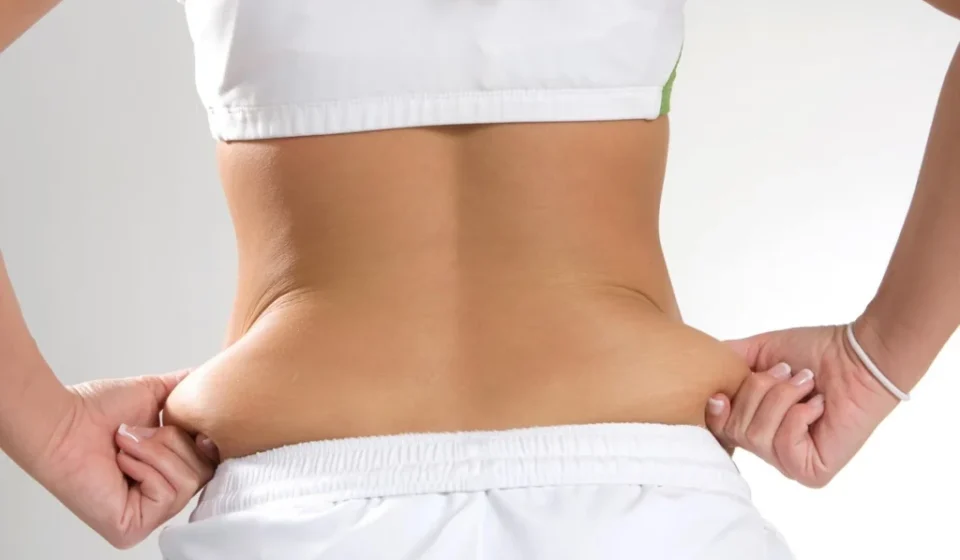
Love handles — the fat deposits that sit on the sides of the waist, just above the hips — are one of the most complained-about areas of the body. They’re visible in jeans, they spill over waistbands, they show in fitted shirts, and they seem to resist every diet and exercise effort thrown at them.
If you’ve been doing side crunches and oblique exercises trying to target love handles and getting nowhere, there’s a specific reason — and it has nothing to do with effort.
Here’s exactly what love handles are, why they’re so stubborn, and the strategies that actually reduce them.
What Are Love Handles, Exactly?
Love handles are deposits of subcutaneous fat that accumulate on the sides of the waist — between the bottom of the ribcage and the top of the hips. They sit directly over the oblique muscles on the sides of the abdomen.
Unlike the visceral fat that causes the belly to protrude outward (covered in our articles on visceral fat vs subcutaneous fat and how to get a flat stomach), love handle fat is primarily subcutaneous — stored directly under the skin. This makes it visible and pinchable but less dangerous from a health perspective than visceral fat.
The love handle area is one of the last places many people lose fat — particularly men, who tend to carry abdominal and flank fat as a primary fat storage site, and women in certain hormonal states.
Why Love Handles Are So Stubborn
High Concentration of Alpha-2 Adrenergic Receptors
Like hip and thigh fat, the love handle area has a higher concentration of alpha-2 adrenergic receptors — which respond to adrenaline by inhibiting fat breakdown rather than promoting it. This is the primary physiological reason love handle fat is more resistant to mobilization than fat in other areas.
Cortisol’s Role
The love handle area is particularly responsive to cortisol — the stress hormone. Cortisol promotes fat storage in the abdominal and flank region specifically. Chronically elevated cortisol from poor sleep, high stress, or excessive exercise creates the hormonal environment that preferentially deposits fat in the love handle area and makes it resistant to release.
This is one of the reasons people under chronic stress often find love handle fat particularly stubborn despite otherwise good habits.
Insulin Resistance
Insulin resistance — impaired cellular response to insulin — promotes fat storage throughout the abdominal region, including the flanks. The love handle area is one of the first places fat accumulates when insulin resistance worsens, and one of the last to respond when it improves.
Order of Fat Loss
Fat loss tends to occur in the reverse order of fat gain — with recently accumulated fat coming off first and older, more established deposits coming off last. For many people, love handle fat was among the first to accumulate and is therefore among the last to go.
What Doesn’t Work for Love Handles
Let’s clear this up first because so many people waste months on ineffective approaches.
Oblique exercises and side crunches — perhaps the most persistent myth in fitness. Doing oblique exercises builds the muscles underneath the love handle fat but does absolutely nothing to burn the fat overlying those muscles. Spot reduction doesn’t exist — it has been studied repeatedly and disproven conclusively.
“Love handle blaster” workouts — any workout specifically marketed to target love handles through side-specific exercises is built on the spot reduction myth. The exercises may be fine for core development, but they won’t specifically burn love handle fat.
Extreme calorie restriction — crash dieting causes muscle loss alongside fat loss, slows metabolism, and elevates cortisol — the very hormone that promotes love handle fat storage. Aggressive restriction is counterproductive specifically for love handles.
What Actually Works for Love Handles
1. Overall Fat Loss — The Non-Negotiable Foundation
Love handles are fat. They reduce when overall body fat reduces through a sustained calorie deficit. There is no shortcut around this.
The complete fat loss framework is covered in our guide to how to get rid of belly fat — the same approach that reduces belly fat reduces love handle fat, just potentially after a slightly longer timeline.
The specific dietary changes most impactful for love handle fat:
Cut added sugar and refined carbohydrates — these drive insulin elevation and visceral/flank fat accumulation more directly than any other dietary factor. Eliminating liquid sugar (soda, juice, alcohol) is the fastest single intervention.
Create a moderate calorie deficit — 400–600 calories per day. Large enough to drive meaningful fat loss, small enough to avoid the cortisol spike that promotes love handle fat retention.
Eliminate alcohol specifically — alcohol is metabolized in the liver and converted to fat that is preferentially stored in the abdominal and flank region. For people with love handles, alcohol reduction often produces faster visible results in this specific area than almost any other dietary change. Even moderate regular drinking (a glass of wine most evenings) maintains the fat storage conditions in this area.
2. Aggressively Manage Cortisol
Given cortisol’s specific role in love handle fat storage, stress management and sleep optimization are more important for this area than for almost any other fat deposit.
Sleep 7–9 hours consistently. Sleep deprivation raises cortisol dramatically — and chronically elevated overnight cortisol specifically promotes flank and abdominal fat storage. As we cover in our article on why sleep is the most underrated weight loss tool, sleep quality is foundational to fat loss — and it’s particularly relevant for love handles.
Manage daily stress actively. The love handle area responds to cortisol almost like a direct measurement of your stress levels. People who reduce chronic stress often see love handle fat begin responding when everything else has stalled.
Daily walking, breathing practices, adequate social connection, and protecting personal time all reduce cortisol meaningfully over time. The specific strategies for managing cortisol-driven eating and stress are in our article on how to stop stress eating.
Don’t overtrain. Excessive exercise — particularly excessive cardio — is a physiological stressor that elevates cortisol. More exercise is not always better for love handles. Adequate recovery, rest days, and keeping exercise intensity reasonable supports lower cortisol and better love handle fat loss.
3. Strength Train Compound Movements
Strength training improves insulin sensitivity, builds muscle that raises resting metabolic rate, and reduces cortisol over the long term — all of which specifically address the mechanisms that make love handles stubborn.
Compound movements — squats, deadlifts, rows, presses — recruit the most muscle mass and produce the greatest metabolic and hormonal benefits. Three sessions per week is the minimum effective dose.
Oblique-specific exercises (side bends, Russian twists, oblique crunches) are not the priority — they build the muscles underneath the fat without addressing the fat itself. Full-body compound training does more for love handles than any oblique-focused workout.
4. Improve Insulin Sensitivity
Since insulin resistance promotes love handle fat accumulation, improving insulin sensitivity directly addresses one of the root causes.
The most effective insulin sensitivity interventions:
Reduce refined carbohydrates and added sugar — the primary dietary driver of insulin resistance
Walk after meals — a 10–15 minute post-meal walk reduces the post-meal blood sugar and insulin spike by 20–30%, directly improving insulin sensitivity over time
Strength training — the single most effective exercise for improving insulin sensitivity through muscle glucose uptake
Adequate sleep — sleep deprivation significantly worsens insulin sensitivity
Reduce alcohol — alcohol impairs liver function and insulin signaling, worsening insulin resistance
These strategies together address the insulin resistance that promotes love handle fat more directly than any amount of oblique exercises.
5. Increase Fiber Intake
High fiber intake improves insulin sensitivity, reduces post-meal blood sugar spikes, and supports the gut microbiome changes that affect abdominal fat storage.
The specific fibers with the strongest evidence for abdominal fat reduction are soluble fibers — particularly beta-glucan (in oats) and pectin (in apples and citrus). These form a gel in the digestive tract that slows carbohydrate absorption and reduces the insulin response to meals.
As we note throughout this blog — particularly in our article on why you’re always hungry — most people eat far less fiber than recommended. Getting to 25–35g per day through lentils, beans, oats, vegetables, and fruit directly supports the metabolic environment that reduces love handle fat.
6. Be Patient — Love Handles Come Off Last
This is perhaps the most important piece of advice — and the hardest to accept.
For many people, particularly men, love handles are among the very last fat deposits to respond. Someone who has lost 20 lbs may find their love handles looking similar while their face, arms, and upper body have visibly changed. This is normal biology — not a sign that the approach isn’t working.
Love handles typically become noticeably reduced at body fat percentages below:
- Men: Under 15% body fat (love handles often persist until 12–15%)
- Women: Under 22% body fat (though this varies significantly by individual)
If you’re early in your fat loss journey, love handles may not respond visibly for months — even while progress is clearly happening elsewhere. This requires patience and the measurement approach described in our article on how to break a weight loss plateau — tracking multiple progress markers rather than fixating on one area.
7. Core Exercises That Help (When Done Right)
While oblique exercises don’t specifically burn love handle fat, certain core exercises do help with the overall appearance of the waist as fat reduces:
Stomach vacuums — the transverse abdominis exercise that creates the “corset” effect, pulling the waist inward. As described in our flat stomach article, this directly trains the deepest core muscle that creates the cinched waist appearance.
Pallof press — anti-rotation core exercise that builds functional oblique strength without the spot-reduction myth.
Plank variations — build core endurance and the held-in abdominal appearance.
Dead bugs — deep core stability that supports the flat waist appearance from the inside.
These exercises don’t burn love handle fat — but they build the core architecture that makes the love handle area look better as fat reduces.
The Role of Diet vs. Exercise for Love Handles
For most areas of fat loss, the split is roughly 70–80% diet, 20–30% exercise. For love handles specifically, the dietary and hormonal component is even more dominant — probably 80–85% of the result.
This is because love handle fat is so directly linked to insulin levels (diet-driven) and cortisol levels (sleep and stress-driven). You can exercise perfectly and have stubborn love handles if insulin and cortisol are chronically elevated. Fix the hormonal environment through diet, sleep, and stress management, and love handles respond.
The specific dietary priorities: eliminate alcohol, cut added sugar, reduce refined carbohydrates, increase fiber, and create a moderate calorie deficit. These address the hormonal root causes more directly than any exercise approach.
A Weekly Love Handle Reduction Plan
Diet:
- No alcohol (or maximum 1 drink once per week)
- No added sugar, no liquid calories
- High protein (0.7–1g per pound of bodyweight)
- 25–35g fiber daily
- Moderate calorie deficit (400–500 calories below maintenance)
Exercise:
- Strength training 3x per week (compound movements)
- 8,000–10,000 steps daily
- Post-meal walking (10–15 minutes after dinner minimum)
- Core work 4–5x per week (stomach vacuums, planks, dead bugs)
Sleep and stress:
- 7–9 hours sleep every night without exception
- Active daily stress management (walking, breathing, limiting news/social media)
- No excessive cardio that elevates cortisol chronically
Timeline: Most people who execute this consistently for 12 weeks see meaningful love handle reduction. For people starting at higher body fat percentages, the process may take 6+ months to reach the point where love handles become noticeably smaller.
The Bottom Line
Love handles are among the most stubborn fat deposits in the body — particularly for men — due to cortisol receptor density, insulin resistance connections, and the order of fat loss.
The strategies that work:
- Eliminate alcohol — the most direct dietary intervention for this specific area
- Cut added sugar and reduce refined carbohydrates
- Sleep 7–9 hours and manage stress actively — cortisol is the primary driver
- Strength train to improve insulin sensitivity and raise metabolism
- Walk after meals to reduce insulin spikes
- Be patient — love handles come off late, not never
Oblique exercises and spot reduction attempts don’t work. Addressing the hormonal root causes and maintaining a consistent fat loss approach over time does.
For the complete framework of everything that drives fat loss — including the specific hormonal strategies most relevant to love handles — our guide to how to get rid of belly fat covers everything in one comprehensive place.
How long have you been struggling with love handles? Share in the comments — and if you’ve found something that finally worked for this specific area, the community would love to know.