
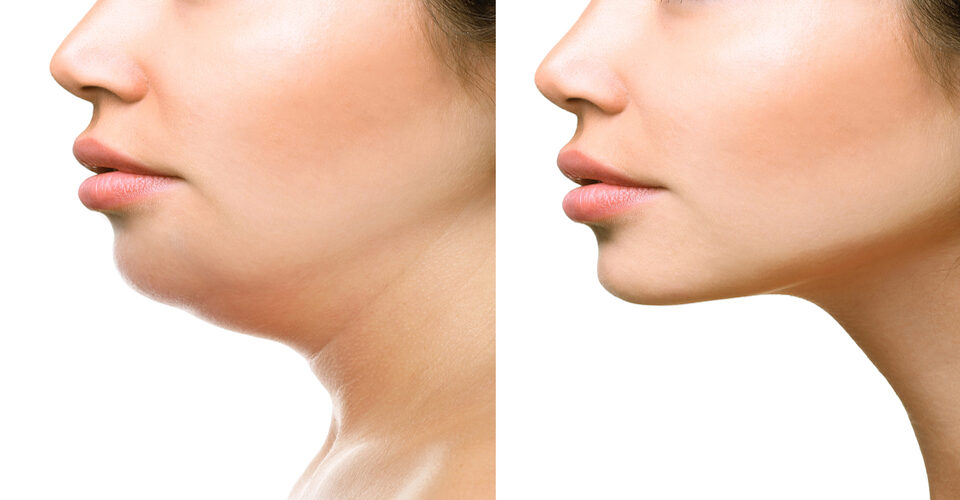

One of the most visible and confidence-affecting areas — here’s the honest guide

Neck fat and double chin are among the most psychologically impactful areas of excess fat — visible in every photo, in every video call, in every mirror at eye level. For many people, the neck and chin area is the first thing they notice when they look at photos of themselves, and it profoundly affects confidence.
The good news: the neck and chin area is typically one of the earlier areas to show fat loss results. The less good news: it also involves specific structural factors — bone structure, skin laxity, and posture — that fat loss alone doesn’t always fully address.
Here’s the complete guide to what’s causing neck fat, what actually reduces it, and what realistic results look like.
What’s Actually Causing Neck and Chin Fullness
Submental Fat (Double Chin)
The double chin is primarily caused by submental fat — a pad of fat that sits under the chin and above the neck. This fat accumulates for the same reasons fat accumulates elsewhere: calorie surplus, genetics, and hormonal factors.
Submental fat tends to be particularly visible because of the way the chin and neck are framed — there’s no clothing to cover it, and the angle of most photos (cameras slightly below face level) emphasizes it.
Overall Body Fat
Neck fat is subcutaneous fat — stored directly under the skin of the neck, jaws, and chin. It accumulates as part of overall body fat gain and reduces as overall body fat decreases. There is no way to specifically target neck fat without overall fat loss.
Water Retention
A significant component of what appears as neck and face fullness is water retention — fluid that accumulates in the face and neck from high sodium intake, alcohol consumption, poor sleep, and hormonal fluctuations.
This water retention component can make the neck and chin look substantially fuller than the actual fat content would suggest — and it responds quickly to dietary changes, sometimes within 24–48 hours.
Genetics and Bone Structure
The visibility of a double chin and neck fullness is significantly influenced by genetics:
- Jaw structure — a recessed or less prominent jaw makes submental fat more visible because it lacks the architectural support that a strong jaw provides
- Hyoid bone position — the position of the hyoid bone (a bone in the neck) affects how submental fat appears
- Natural fat distribution — some people are genetically predisposed to store fat in the face and neck area at lower overall body fat percentages than others
These genetic factors explain why some people develop visible double chins at relatively low body fat percentages while others don’t — and why some people retain significant neck fullness even after substantial fat loss.
Posture and “Tech Neck”
Poor posture — particularly the forward head posture caused by looking down at phones and screens — creates the appearance of a double chin even when minimal fat is present. The chin is pushed forward and down, skin and soft tissue folds under the chin, and the neck looks thicker.
This is an immediately actionable cause that many people overlook entirely.
Age and Skin Laxity
As skin loses elasticity with age, the neck and under-chin area is one of the first places where this becomes visible — the skin that once sat tightly under the chin begins to sag, creating the appearance of a double chin even when fat content has decreased or hasn’t significantly increased.
What Actually Reduces Neck Fat and Double Chin
1. Overall Fat Loss
The primary strategy — and the only one that directly reduces the fat component. Neck and face fat typically responds early in a fat loss journey, making this a particularly motivating area to track.
As covered in our comprehensive guide to how to get rid of belly fat, the foundational fat loss strategies — calorie deficit, high protein, strength training, sleep, stress management — apply equally to neck fat reduction. The face and neck are often among the first areas where people notice changes, which provides early motivation for continuing.
2. Reduce Sodium and Address Water Retention
For many people, a significant proportion of facial and neck fullness is water retention rather than fat. Reducing sodium dramatically — to under 1,500mg per day for a week — often produces visible changes in neck and chin definition within 24–48 hours.
This is one of the fastest visual improvements available for this area. As covered in our article on how to lose water weight fast, reducing sodium, increasing water intake, and reducing alcohol are the fastest interventions for fluid-related fullness anywhere in the body — including the neck and chin.
3. Eliminate or Significantly Reduce Alcohol
Alcohol causes next-day facial and neck puffiness through dehydration-induced fluid retention, histamine release, and inflammation. For people who drink regularly, the chronic puffiness this creates in the face and neck can be substantial.
Reducing or eliminating alcohol produces visible changes in facial and neck definition within days — one of the fastest cosmetic improvements available without any medical intervention. This is consistently reported by people who quit drinking even temporarily.
4. Improve Posture — For Immediate Results
This produces the most immediate visual improvement of anything on this list — and it costs nothing and requires no fat loss.
Forward head posture pushes the chin forward and down, folding soft tissue under the chin and creating the appearance of a double chin. Simply pulling the head back to neutral alignment — ears over shoulders, chin parallel to the floor — can visibly reduce apparent double chin fullness immediately.
The “chin tuck” exercise is one of the most effective posture corrections for this area:
- While standing or sitting tall, gently pull your chin straight back (creating a slight “double chin” intentionally as you do it)
- Hold for 5 seconds
- Release
- Repeat 10–15 times, several times throughout the day
This strengthens the deep neck flexors and counteracts the forward head posture that exaggerates neck and chin fullness. Results are visible within weeks of consistent practice.
5. Neck and Chin Exercises
While facial exercises don’t burn facial fat (no spot reduction), certain exercises specifically for the neck and chin area build muscle tone that improves definition as fat reduces — and may provide modest additional benefit through increased blood flow and muscle activation.
Exercises worth doing:
Chin Tucks (described above) — the most evidence-backed neck exercise for posture correction and chin definition.
Neck Tilts — sitting tall, tilt your head back to look at the ceiling. Hold for 5 seconds, return to neutral. Repeat 10 times. Stretches and activates the anterior neck muscles.
Jaw Jut — tilt head back, push lower jaw forward until you feel a stretch under the chin. Hold 5–10 seconds. Targets the platysma muscle in the neck.
Tongue Press — press your tongue flat against the roof of your mouth and look straight ahead. Gently tilt your chin downward toward your chest while maintaining tongue pressure. Hold for 5 seconds. Repeat 10 times. Activates the submental muscles under the chin.
Chewing Gum — genuinely works as a form of jaw and chin muscle exercise when done regularly. Sugar-free gum activates the masseter and surrounding muscles regularly throughout the day.
These exercises won’t melt fat but they do build the muscular architecture of the neck and chin that creates definition as fat reduces — and they address the posture component that is often a significant contributor to perceived chin fullness.
6. Sleep Quality and Quantity
Poor sleep causes facial and neck puffiness through multiple mechanisms — fluid redistribution, cortisol elevation, and reduced lymphatic drainage that normally removes excess fluid from facial tissues overnight.
Sleeping with your head slightly elevated (an extra pillow) promotes lymphatic drainage from the face and neck — reducing morning puffiness compared to sleeping completely flat. This is a simple, free intervention that improves neck appearance every morning.
As we cover in depth in our article on why sleep is the most underrated weight loss tool, 7–9 hours of quality sleep affects every aspect of body composition — and facial and neck appearance is one of its most immediately visible effects.
7. Stay Hydrated
Adequate water intake reduces the fluid retention that contributes to facial and neck fullness — counterintuitively, drinking more water reduces the body’s tendency to hold onto water.
Drinking a full glass of water first thing in the morning, before each meal, and throughout the day maintains hydration status that supports lymphatic drainage and reduces the chronic mild dehydration that many people carry as facial puffiness.
Medical and Cosmetic Options for Submental Fat
For people who have achieved a healthy body weight and still have significant submental fat due to genetics or structural factors, medical options exist:
Kybella (deoxycholic acid injections) — FDA-approved injectable treatment that destroys fat cells in the submental area. Results are permanent for treated cells. Requires 2–6 sessions typically. Involves swelling and discomfort during treatment. Effective for moderate submental fat at healthy body weight.
CoolSculpting (cryolipolysis) — non-invasive fat freezing that can be applied to the chin area. Results take 2–3 months to appear. Less downtime than Kybella but typically requires multiple sessions. Effective for mild to moderate submental fat.
Liposuction (submentoplasty) — surgical removal of submental fat. Most dramatic and permanent results. Involves recovery time and surgical risk. Typically recommended for significant submental fat that persists at a healthy body weight.
Neck lift (lower rhytidectomy) — surgical procedure that addresses both fat and skin laxity. Most comprehensive solution for significant neck and chin looseness — particularly relevant for people who have lost significant weight and are dealing with loose skin rather than fat.
These options are worth knowing about — not as first-line interventions, but as legitimate medical options for people who have done the lifestyle work and have residual submental fat that is genuinely genetic or structural rather than fat-loss-related.
What Realistic Progress Looks Like
Days 1–7: Reduction in water retention and alcohol-related puffiness from dietary changes. Visible neck and chin definition improvement for many people. Posture correction producing immediate visual changes.
Weeks 2–6: Real fat loss beginning to show. Face and neck typically among the earlier responding areas. Chin exercises building tone and definition.
Weeks 6–12: Meaningful changes in neck and chin appearance. Combination of fat loss, reduced water retention, improved posture, and muscle development.
Months 3–6: Continued improvement as overall body fat decreases. For people with genetic submental fat, this is when cosmetic options may become relevant if desired.
The Photography Angle Factor
One underappreciated aspect of neck fat perception: camera angle dramatically affects how the neck and chin appear in photos.
A camera positioned below face level — the default position for most selfies and video calls, where cameras sit at desk level while you look down — creates significant apparent double chin even on lean people. The chin folds, soft tissue bunches, and the neck looks substantially thicker than it is.
Camera positioned at eye level or slightly above — the actual model photography standard — produces a completely different appearance of the same neck and chin.
Before concluding that neck fat is a significant problem, check what your neck looks like from a camera positioned at or above eye level. For many people, the issue is as much photographic angle as actual fat content.
The Bottom Line
Neck fat and double chin respond to overall fat loss, water retention reduction, posture correction, and targeted exercises that build neck and chin muscle tone.
The fastest interventions: reduce sodium and alcohol immediately for quick fluid reduction. Correct forward head posture for immediate visual improvement. Start chin exercises for medium-term muscle tone improvement.
The sustained strategy: overall fat loss through the approaches covered throughout this blog, with particular attention to sleep quality and water retention management that affect facial and neck appearance most directly.
For the complete fat loss framework, our guide to how to get rid of belly fat covers everything — and the face and neck are among the earliest-responding areas when this approach is applied consistently.
Has neck and chin fullness affected your confidence — and have you found anything that made a noticeable difference? Share in the comments.