
Smart snacking supports fat loss — if you’re snacking on the right things

Snacking gets a bad reputation in diet culture. “Stop snacking.” “Eat three meals and nothing in between.” “Snacks are why you can’t lose weight.”
The reality is more nuanced. Snacking itself isn’t the problem — snacking on the wrong things is. Chips, crackers, granola bars, and flavored yogurts are engineered to be delicious, easy to overeat, and virtually impossible to stop eating once started. They spike blood sugar, crash it, and leave you hungrier than before.
But snacking on high-protein, high-fiber whole foods? That actively supports fat loss — by managing hunger between meals, keeping blood sugar stable, and helping you hit your daily protein target without overeating at main meals.
These ten snacks are built around that principle. All of them are practical, affordable, and genuinely satisfying.
What Makes a Good Weight Loss Snack?
Before the list, here’s the framework for evaluating any snack for fat loss:
High protein — protein suppresses hunger hormones and extends satiety more than any other macronutrient. A snack with 10–20g of protein keeps you full until the next meal. A snack with 2g of protein does not.
High fiber — fiber slows digestion, feeds beneficial gut bacteria, and extends the feeling of fullness after eating.
Low added sugar — sugar causes a blood sugar spike followed by a crash that leaves you hungrier than before you snacked. The best snacks have minimal or zero added sugar.
Reasonable calorie density — a snack that satisfies at 150–200 calories is far more useful than one that barely registers at 300 calories.
Practical and accessible — the best snack is the one you’ll actually eat. If it requires 20 minutes of prep, it won’t happen on a busy Tuesday afternoon.
1. Greek Yogurt (Plain) With Berries
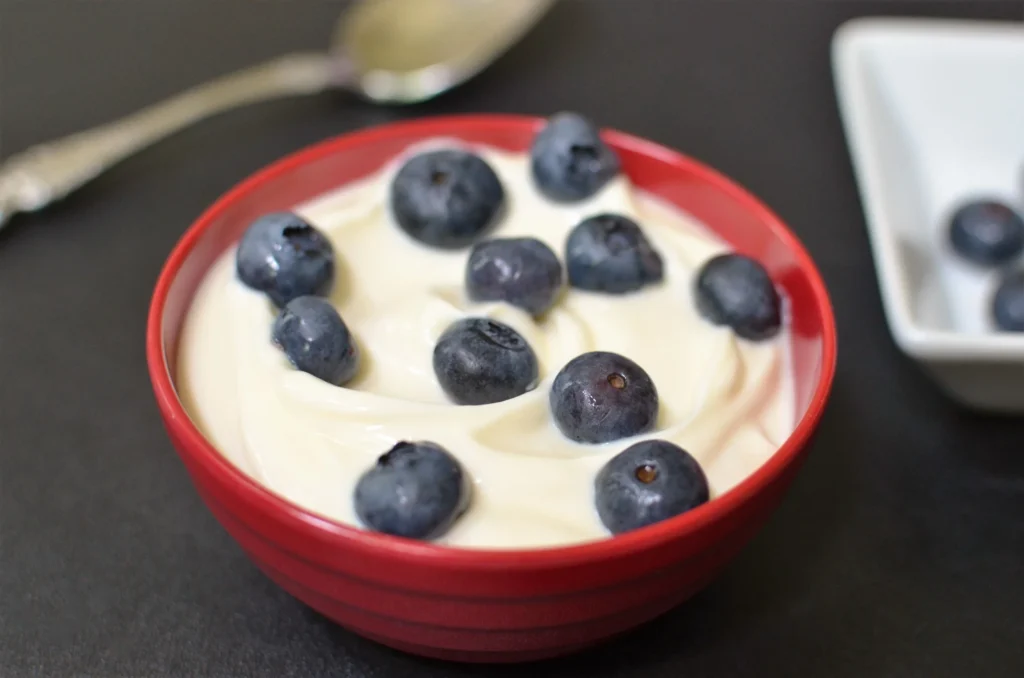
~150–180 calories | 15–20g protein | 2 min prep
A cup of plain Greek yogurt topped with a handful of fresh or frozen berries is one of the most nutritionally complete snacks available. High protein from the yogurt, fiber and antioxidants from the berries, and natural sweetness that satisfies without a sugar spike.
The critical detail is plain — flavored Greek yogurts often contain 15–20g of added sugar that turns a great snack into a blood sugar problem. Add your own berries and control the sweetness yourself.
As we cover in our guide to the best foods to eat to lose weight fast, Greek yogurt is one of the most consistently evidence-backed foods for fat loss — the high protein and satiety effects are well-documented.
Make it more filling: Add a tablespoon of chia seeds for an extra 5g of fiber. Make it faster: Buy single-serve plain Greek yogurt cups and portion berries in advance on Sunday.
2. Hard-Boiled Eggs
~70 calories per egg | 6g protein per egg | Zero prep (if batch cooked)
Hard-boiled eggs are the ultimate fat loss snack — portable, shelf-stable in the fridge for a week, incredibly protein-dense per calorie, and genuinely satisfying.
Two eggs provide 12g of protein for 140 calories. Add a small sprinkle of salt, hot sauce, or everything bagel seasoning for flavor without meaningful calorie addition.
Batch cook 6–8 eggs at the start of the week so they’re always ready to grab. The prep time is essentially zero when they’re already cooked.
Pair with: A handful of cherry tomatoes or cucumber slices to add volume and fiber. Avoid: The pre-packaged flavored egg snacks from the store — usually more expensive and often contain unnecessary additives.
3. Cottage Cheese With Cucumber
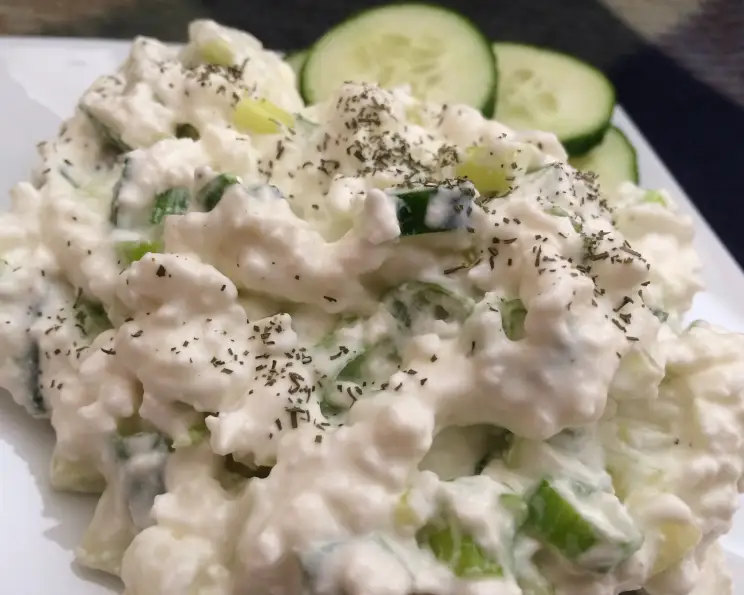
~120 calories | 14g protein | 2 min prep
Half a cup of low-fat cottage cheese alongside sliced cucumber is a snack that consistently surprises people with how satisfying it is. The cottage cheese provides slow-digesting casein protein that keeps hunger lower for longer, while the cucumber adds volume, water content, and crunch.
Add a pinch of everything bagel seasoning, black pepper, or a few drops of hot sauce to make it feel like more of a proper snack and less like diet food.
Variation: Replace cucumber with sliced bell peppers, cherry tomatoes, or celery for different flavors throughout the week.
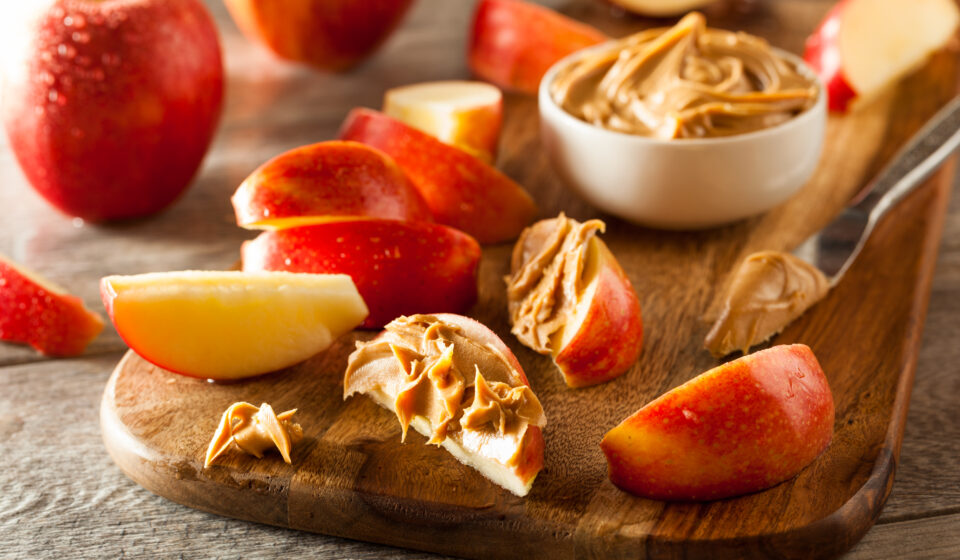
4. Apple With Peanut Butter (One Tablespoon)
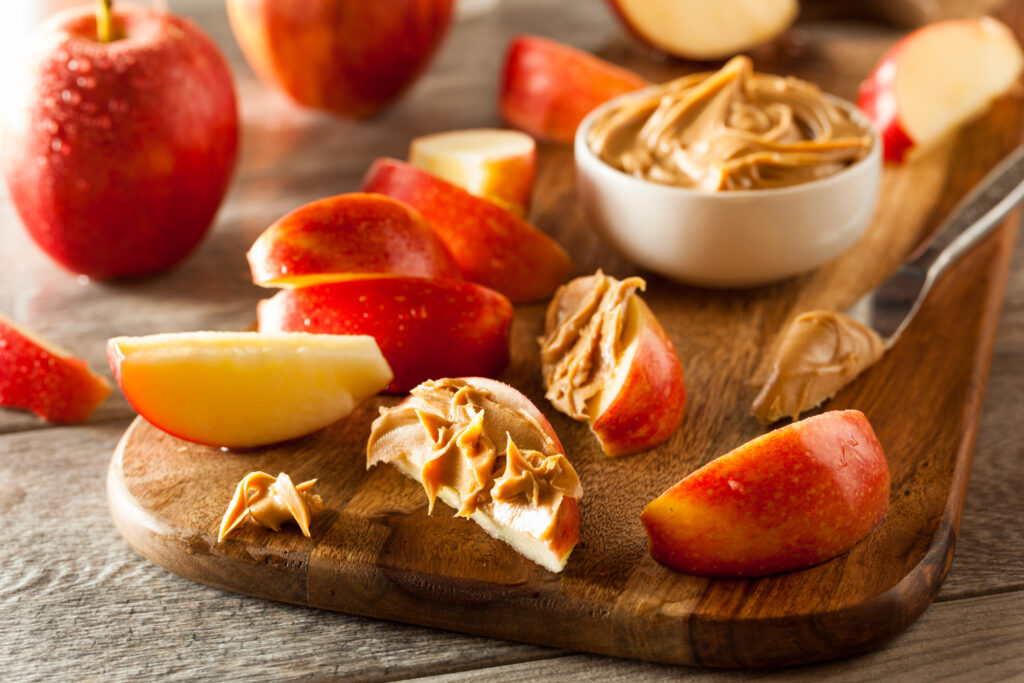
~180 calories | 4g protein | 2 min prep
The apple and peanut butter combination works because it hits multiple satiety mechanisms simultaneously — fiber from the apple slows digestion, natural sugars provide quick energy without a dramatic spike (slowed by the fiber), and the fat and protein from peanut butter extend fullness significantly.
The key is one tablespoon of peanut butter — not two or three. Nut butters are calorie-dense and easy to overeat. A measured portion makes this a satisfying 180-calorie snack rather than an accidental 400-calorie one.
Higher protein version: Pair the apple with a small cup of plain Greek yogurt instead of peanut butter. Budget note: This is one of the cheapest effective snacks available — particularly when apples are in season.
5. Edamame (Salted)
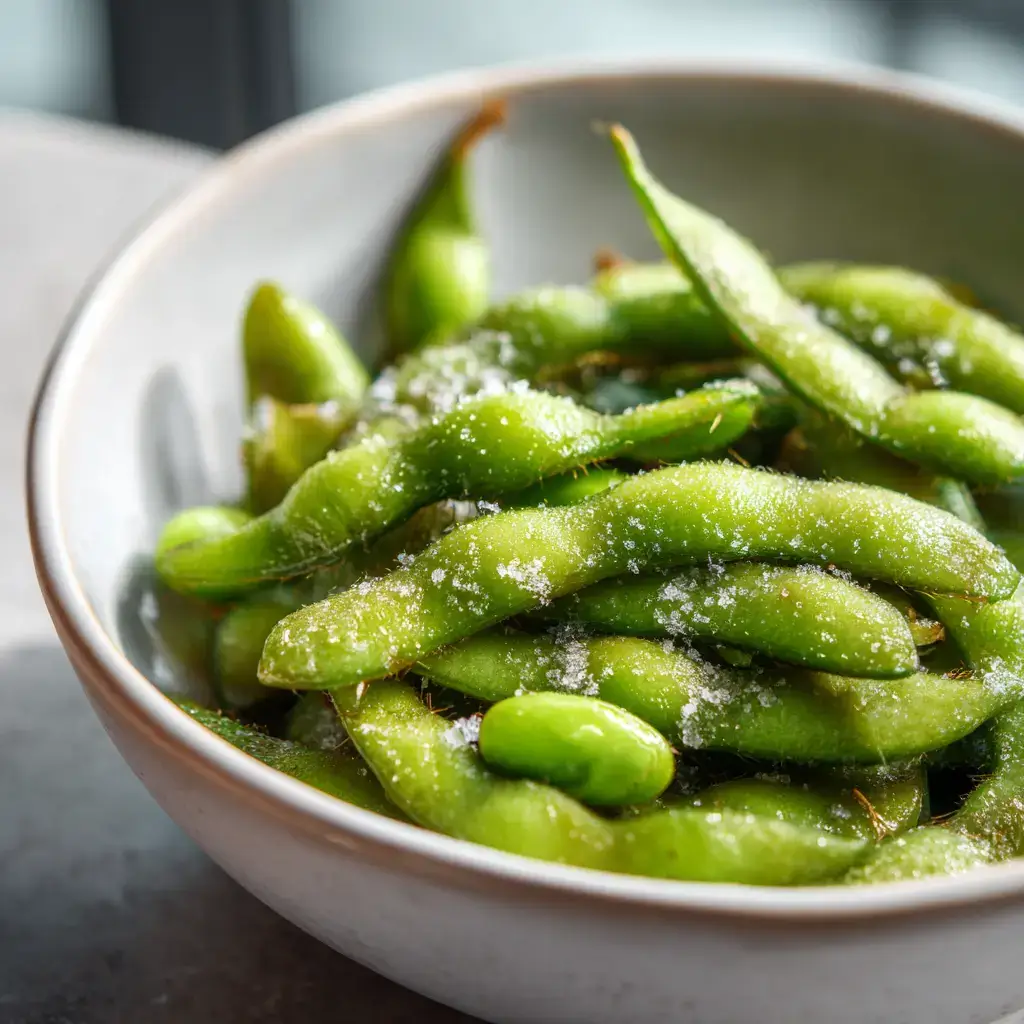
~120 calories per cup shelled | 11g protein | 3 min prep (microwave from frozen)
Edamame is one of the best plant-based protein snacks available. A cup of shelled edamame delivers 11g of complete protein and 8g of fiber — genuinely impressive for a 120-calorie snack.
Frozen edamame in the shell microwaves in 3–4 minutes and is satisfying to eat because it requires physical effort (popping them out of the shell) that slows consumption and increases mindful eating. In-shell edamame also makes a larger visual impression than the calorie count warrants.
Sprinkle with sea salt, chili flakes, or sesame seeds. One of the most genuinely enjoyable snacks on this list.
Great for: People who want something that feels like a proper snack rather than diet food, vegetarians who need more plant protein.
6. Tuna on Rice Cakes or Cucumber Rounds
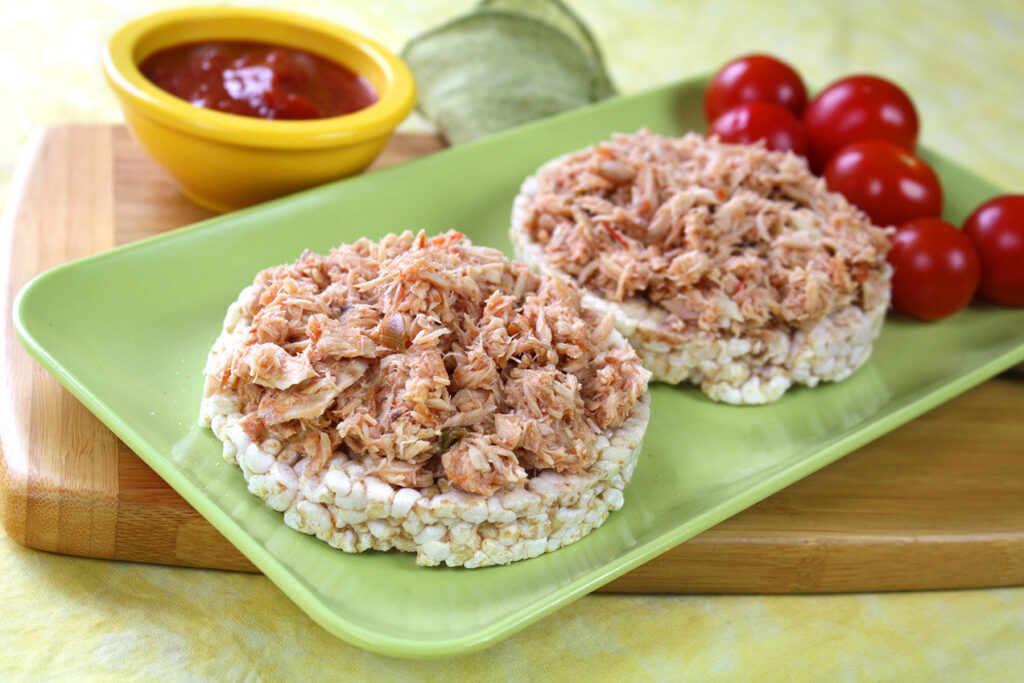
~150 calories | 20g protein | 5 min prep
Half a can of tuna (drained) mixed with a squeeze of lemon and black pepper, served on 2–3 rice cakes or cucumber rounds.
Tuna is one of the highest protein-to-calorie foods available — half a can provides roughly 20g of protein for under 80 calories. The rice cakes or cucumber add satisfying crunch with minimal calorie addition.
This snack is particularly effective for people trying to hit high daily protein targets as outlined in our guide to how much protein you actually need per day — it’s one of the fastest, cheapest ways to add 20g of protein to your day.
Variation: Add a teaspoon of Dijon mustard, hot sauce, or diced red onion for more flavor. Higher volume: Serve on a bed of mixed greens instead of rice cakes to make it a proper small meal.
7. A Small Handful of Mixed Nuts
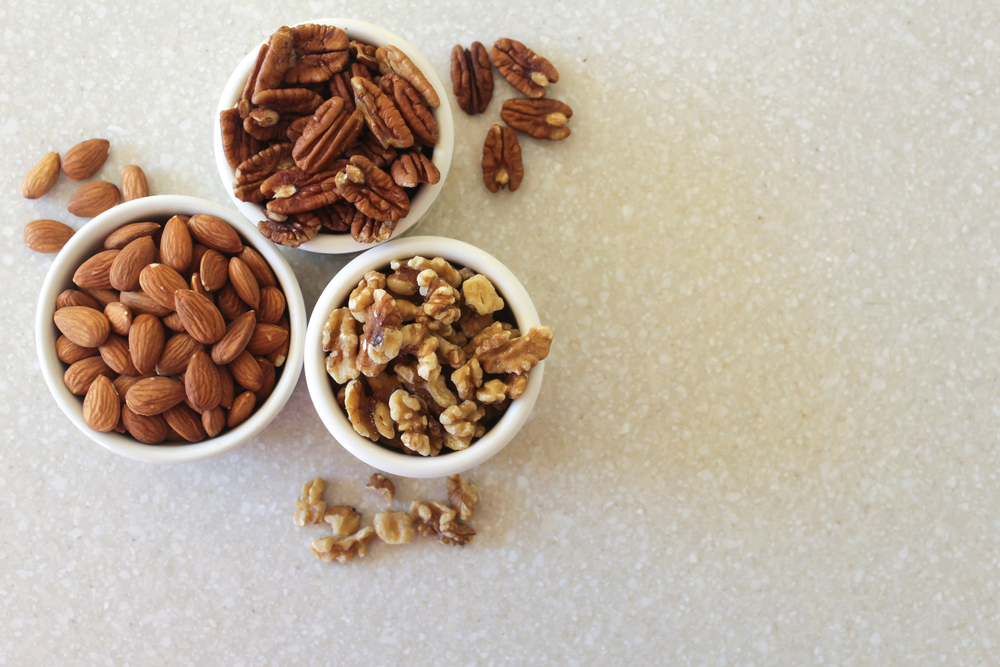
~170 calories | 5g protein | Zero prep
Nuts are calorie-dense but genuinely satisfying — the combination of protein, healthy fat, and fiber creates satiety that outlasts their calorie count. Studies show people who regularly eat nuts tend to weigh less than those who don’t, likely because the satiety they provide reduces overall intake.
The catch is portion control — nuts are extremely easy to overeat directly from a large bag. A small handful (roughly 23 almonds, 14 walnut halves, or a mix) is the right portion. Pre-portioning into small bags or containers on Sunday removes the temptation to keep reaching in.
Best choices: Almonds, walnuts, cashews, pistachios. Walnuts have the strongest evidence for metabolic benefits, including omega-3 content. Avoid: Flavored, honey-roasted, or chocolate-covered versions that add significant sugar and calories.
8. Roasted Chickpeas
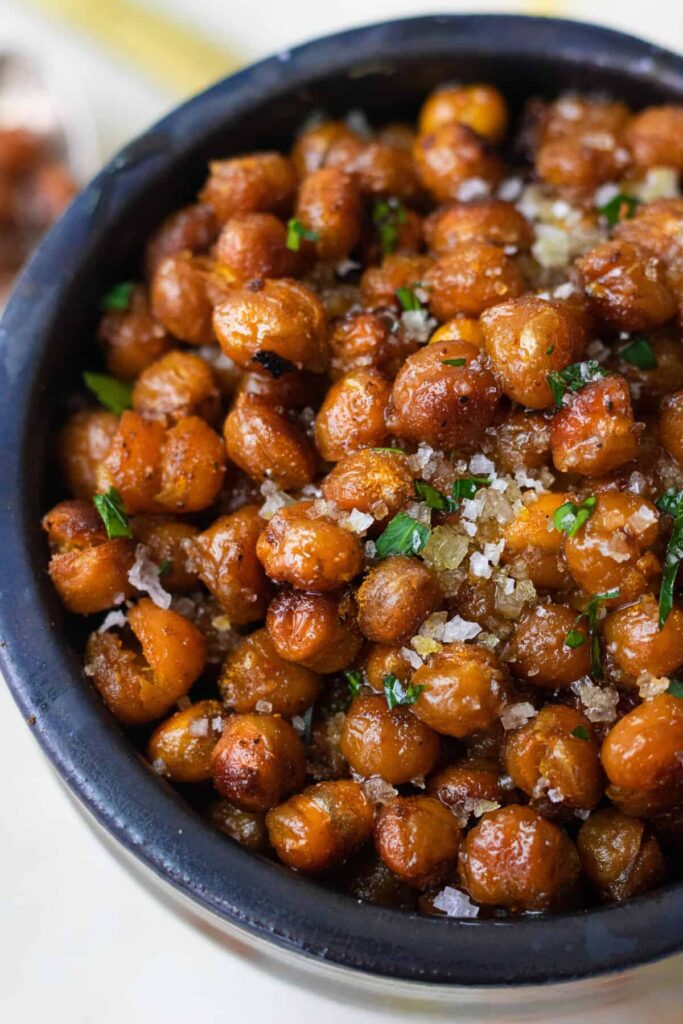
~120 calories per half cup | 6g protein | Batch prep (30 min, mostly passive)
Roasted chickpeas are the crunchy, satisfying snack that replaces chips — with far better nutritional value. They’re high in protein and fiber, genuinely crunchy, and can be seasoned in dozens of ways to keep them interesting.
How to make them: Drain and rinse a can of chickpeas. Pat completely dry (this is important for crunchiness). Toss with a light spray of olive oil and your choice of seasoning — smoked paprika, cumin, garlic powder, chili, or Italian herbs all work well. Roast at 400°F for 25–30 minutes, shaking the pan halfway, until crispy.
Make a batch on Sunday, store in an open container at room temperature (not sealed — they’ll go soft), and snack on them throughout the week.
9. Celery With Hummus
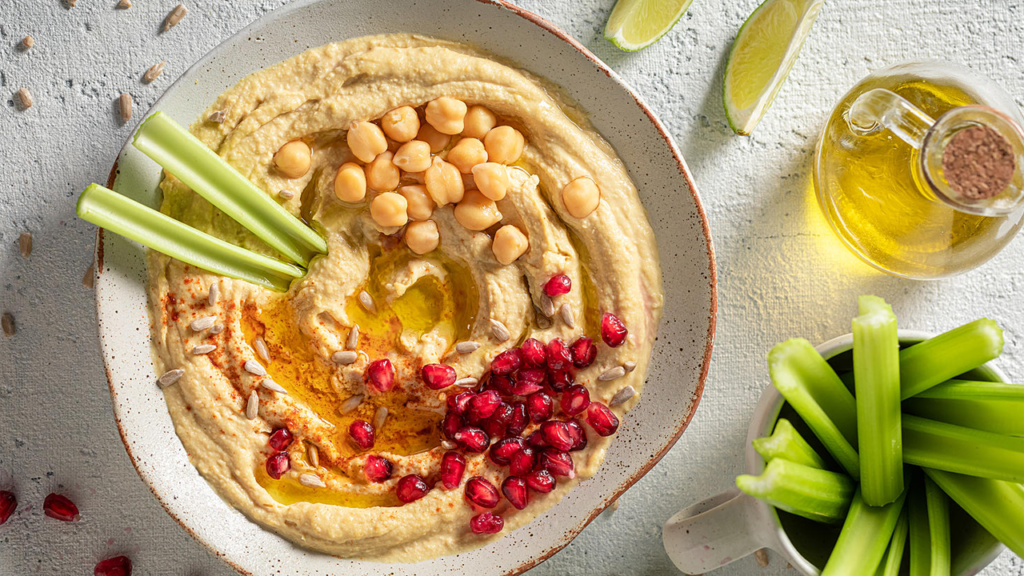
~100 calories | 4g protein | 2 min prep
Celery is essentially a free food calorie-wise — a large stalk has about 6 calories. Paired with 2–3 tablespoons of hummus, you get a genuinely crunchy, satisfying snack with protein and fiber from the chickpea-based dip.
The crunch factor matters more than most people realize for snack satisfaction — it provides oral sensory stimulation that many weight loss snacks lack, making it feel like a more substantial snack experience than the calorie count would suggest.
Variation: Replace celery with bell pepper strips, cucumber rounds, or carrot sticks for different flavors. All work well with hummus. Make it higher protein: Choose a higher-protein hummus (some brands add extra chickpeas or tahini) or pair with a hard-boiled egg on the side.
10. Protein Shake (If Whole Food Isn’t Practical)
~120–150 calories | 20–25g protein | 2 min prep
A protein shake isn’t a whole food snack — but it earns a place on this list as the most practical high-protein option when whole food isn’t accessible. Post-workout, between meetings, or when you’re traveling and whole food options are poor, a quality protein shake prevents the hunger-driven poor choices that derail an otherwise solid day.
Mix one scoop of whey, casein, or plant-based protein powder with water or unsweetened almond milk. Keep it simple — many protein shakes are loaded with additional sugars and additives that undermine the point.
Best use case: Immediately after exercise when appetite is low but protein intake is important, or as a bridge snack when a proper meal is 2+ hours away and hunger is becoming difficult to manage.
The Worst “Healthy” Snacks for Weight Loss
While we’re here — a quick list of snacks commonly marketed as healthy that actively work against fat loss:
Granola bars — most are essentially candy bars with better packaging. Check the sugar content — many have 15–25g of added sugar.
Flavored rice cakes — plain rice cakes are fine but flavored varieties often contain added sugar and provide minimal protein or fiber.
Fruit smoothies — even “healthy” smoothies can contain 40–60g of sugar with minimal fiber (because blending destroys much of the fiber structure). Eat whole fruit instead of juicing or blending it.
Trail mix with chocolate and dried fruit — calorie-dense and sugar-heavy. Plain nuts and seeds without the additions are far better.
“Low fat” packaged snacks — fat was replaced with sugar in most of these. The low-fat label is not a health endorsement.
Building a Snack Strategy That Works
A few practical tips for making smart snacking automatic rather than effortful:
Pre-portion everything. Snacks eaten directly from large packages are consistently overeaten. Portion into small containers or bags on Sunday so reaching for a snack means grabbing the right amount automatically.
Keep visible snacks visible. A bowl of fruit on the counter, hard-boiled eggs at eye level in the fridge, pre-portioned nuts in a clear container. Food that’s visible gets eaten — use this to your advantage.
Remove tempting snacks from the house. As we cover in our article on how to lose weight without counting calories, environmental design is one of the most powerful passive calorie reduction strategies. If chips aren’t in the house, you won’t snack on chips when hungry.
Snack on schedule, not on impulse. Planned snacks between meals (mid-morning and mid-afternoon) prevent the ravenous hunger that drives poor choices. An unplanned snack triggered by boredom or stress is where most snacking goes wrong.
The Bottom Line
The right snacks actively support fat loss by managing hunger, stabilizing blood sugar, and helping hit daily protein targets. The wrong snacks quietly undermine it by adding calories without satiety and triggering blood sugar instability that drives more eating.
Greek yogurt, hard-boiled eggs, cottage cheese, edamame, tuna, nuts, and roasted chickpeas — these are the snacks that work. Keep them prepared, visible, and accessible, and snacking becomes an asset to your fat loss plan rather than a liability.
For the full dietary framework that these snacks fit into — including meal structure, protein targets, and the foods that drive fat loss most effectively — our guide to how to get rid of belly fat covers everything in one place.
What’s your go-to weight loss snack? Share in the comments — and if you have a recipe for the roasted chickpeas that works particularly well, drop it below.