
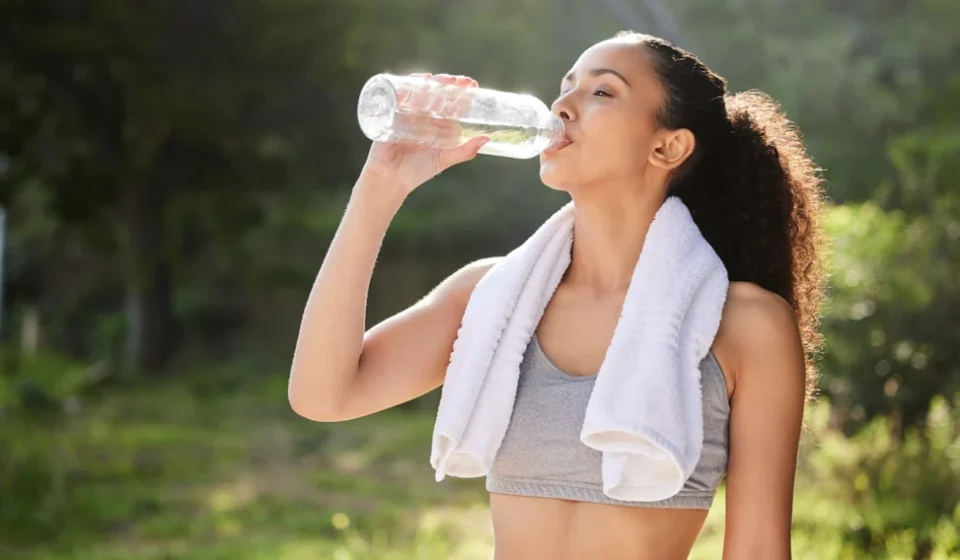
How to Lose Weight by Drinking More Water (What the Science Actually Says)

Water isn’t a magic fat burner — but the evidence for its role in weight loss is more compelling than most people realize
“Drink more water to lose weight” is advice that gets repeated so often it’s started to sound like a cliché. But strip away the oversimplification and there’s real, consistent science behind the relationship between hydration and fat loss — science that goes well beyond “water fills you up.”
This article covers what water actually does for weight loss, how much you should be drinking, the best strategies for drinking more consistently, and the situations where hydration has the biggest impact on your results.
What Water Actually Does for Weight Loss
Let’s be precise. Water is not a fat burner. Drinking more water doesn’t melt fat or boost metabolism dramatically. But it does several specific things that directly support fat loss in ways that are often underappreciated.
It Reduces Calorie Intake Through Appetite Management
This is the most well-documented effect. Studies consistently show that drinking water before meals reduces calorie intake at that meal by 13% on average. One particularly well-designed study found that people who drank 500ml (about 2 cups) of water 30 minutes before each meal lost 44% more weight over 12 weeks than those who didn’t — eating the same diet otherwise.
The mechanism: water takes up physical space in the stomach, activating stretch receptors that signal partial fullness before food arrives. It also takes the edge off appetite in a way that makes portion control easier without feeling like restriction.
It Helps Distinguish Thirst From Hunger
The hypothalamus — the brain region that regulates both hunger and thirst — processes these signals in overlapping ways. Mild dehydration is frequently interpreted as hunger rather than thirst, particularly in people who are chronically slightly dehydrated (which is most people).
Research suggests that up to 37% of people mistake thirst for hunger. Drinking water when hunger arises between meals often resolves the sensation within 15–20 minutes if the signal was thirst rather than genuine hunger. This alone can prevent hundreds of unnecessary calories per day.
It Has a Modest Thermogenic Effect
Cold water requires your body to expend energy warming it to body temperature. Studies suggest drinking 500ml of cold water temporarily raises metabolic rate by 10–30% for 30–40 minutes — burning an additional 10–25 calories per instance.
This is modest — probably 70–100 extra calories per day if you drink the recommended amount of cold water throughout the day. Not dramatic, but genuinely real and cumulative.
It Supports Fat Metabolism
Lipolysis — the breakdown of stored fat for energy — requires adequate hydration to occur efficiently. The first step in fat breakdown involves water molecules, and even mild dehydration can impair this process.
This doesn’t mean drinking more water burns more fat directly — but it does mean that chronic mild dehydration creates a suboptimal metabolic environment for fat loss, even when everything else is in order.
It Reduces Water Retention and Bloating
Counterintuitively, drinking more water reduces water retention. When the body is chronically under-hydrated, it holds onto every drop of water it gets as a protective response. Adequate hydration signals that supply is plentiful, allowing the body to release retained fluid through normal kidney function.
This is why people who increase their water intake often see a reduction in bloating and scale weight within the first few days — the water retention that had been masking their progress releases. As we cover in our article on how to lose water weight fast, adequate water intake alongside reduced sodium is one of the most effective approaches to reducing bloating and water retention.
It Supports Exercise Performance
Even mild dehydration — as little as 1–2% of body weight — measurably impairs physical performance, reduces endurance, increases perceived effort, and reduces motivation to exercise. The person who is mildly dehydrated and skips their walk or cuts their workout short is making a fat loss decision directly influenced by their hydration status.
How Much Water Do You Actually Need?
The “8 glasses a day” rule is a simplification that doesn’t account for body size, activity level, climate, or dietary water content. A more practical guideline:
Half your bodyweight in ounces per day is a reasonable baseline for most people. For a 160 lb person, that’s 80 oz — about 10 cups or 2.4 liters.
This is a starting point. You need more if you:
- Exercise regularly (add 12–16 oz per hour of exercise)
- Live in a hot or humid climate
- Drink caffeine or alcohol (both are diuretic)
- Eat a diet low in water-rich foods (fruits and vegetables)
- Are pregnant or breastfeeding
A reliable indicator of adequate hydration: your urine should be pale yellow — like lemonade. Dark yellow or amber means you need more water. Completely clear means you might be overhydrating, though this is rarely a problem for most people.
The Best Strategies for Drinking More Water
Knowing you should drink more water is easy. Actually doing it consistently is where most people fall short. These strategies make it automatic rather than effortful.
1. Drink 500ml Immediately After Waking
After 7–9 hours without water, you wake up moderately dehydrated. Starting the day with a large glass of water immediately after waking rehydrates quickly, kickstarts metabolism, and establishes the first hydration checkpoint of the day before the busyness of the morning takes over.
Many people find that a morning glass of water also reduces the hunger that can lead to a rushed, poor-quality breakfast — giving time to make a more intentional food choice.
Make it automatic: Keep a full glass or bottle on your nightstand. It’s the first thing you see when you wake up.
2. Drink a Glass Before Every Meal
This is the single most evidence-backed water strategy for fat loss — drinking 500ml of water 20–30 minutes before each main meal.
The hunger-blunting effect of pre-meal water is real and consistent in research. It doesn’t eliminate hunger, but it reduces the intensity enough to make smaller portions feel satisfying. Over the course of three meals per day, the calorie reduction from this habit alone can be significant.
Make it automatic: Link it to meal preparation. “When I start cooking dinner, I drink a glass of water.” The habit stacking approach — attaching the new behavior to an existing one — is one of the most reliable ways to build consistent habits as we discuss in our article on how to stay motivated to lose weight.
3. Carry a Water Bottle Everywhere
Visible water gets drunk. Water in a bottle in your bag, on your desk, in your car — gets drunk far more consistently than water that requires getting up to fill a glass.
A 1-liter bottle that you fill twice a day hits most people’s daily target with minimal effort. Seeing the bottle as you work, drive, and move through your day provides consistent visual reminders to drink.
Choose the right bottle: A bottle you actually like using matters more than people realize. Insulated stainless steel for cold water, a wide mouth for easy cleaning, a size you’ll actually carry — these details drive compliance more than motivation.
4. Eat More Water-Rich Foods
About 20% of daily water intake comes from food — and eating more water-rich foods meaningfully contributes to hydration without requiring additional drinking.
High water content foods:
- Cucumber (96% water)
- Celery (95% water)
- Tomatoes (94% water)
- Spinach (93% water)
- Watermelon (92% water)
- Strawberries (91% water)
- Broccoli (89% water)
These are all foods that appear throughout our articles on the best foods to eat to lose weight fast and the best low calorie meals for weight loss — high water content is one of the reasons they support fat loss so effectively.
5. Replace One Drink Per Day With Water
Rather than adding water on top of your current fluid intake, replacing one daily beverage with water has a dual effect — increasing hydration and eliminating the calories, sugar, or caffeine of whatever you replace.
Replacing one sugary drink per day (soda, juice, sweetened coffee) with water eliminates 150–300 calories and 30–50g of sugar daily — without requiring any additional behavior change beyond the swap.
This connects directly to the single most impactful dietary change for fat loss: eliminating liquid calories. As we cover in our guide to what happens when you cut sugar for 30 days, removing sugary drinks is one of the fastest paths to reduced insulin levels and visceral fat reduction.
6. Set Hourly Reminders
For people who genuinely forget to drink water — which is most people when absorbed in work — smartphone reminders set every 1–2 hours provide consistent prompts without requiring willpower or memory.
Most phones have built-in health apps that track water intake. The act of logging a glass of water takes 10 seconds and provides the brief conscious moment needed to actually drink it.
Alternatively, a rubber band on your water bottle that you move from one wrist to the other for each bottle you finish provides a tactile reminder and tracker with zero technology required.
7. Flavor Water Naturally if Plain Water Feels Boring
For people who genuinely struggle to drink plain water because they find it boring or unsatisfying, naturally flavored water provides the same hydration benefits with more enjoyment:
- Sliced cucumber and mint
- Lemon or lime slices
- Sliced strawberries
- Fresh ginger slices
- Orange and basil
- Frozen fruit as ice cubes
Sparkling water is equally hydrating as still water and is an excellent replacement for soda — providing the carbonation satisfaction without sugar, calories, or artificial sweeteners.
8. Drink More Water Around Exercise
Exercise increases water loss through sweat, breathing, and metabolic processes. Replacing this fluid is essential for both performance and recovery.
Guidelines:
- Drink 500ml of water 1–2 hours before exercise
- Drink 150–250ml every 15–20 minutes during exercise
- Drink 500ml per pound of body weight lost during exercise afterward (weigh before and after if precision matters)
Being even mildly dehydrated during exercise impairs fat burning, reduces endurance, and makes workouts feel harder than they are — which reduces the consistency that drives long-term fat loss results.
Does Drinking More Water Cause Weight Loss Directly?
Here’s the honest answer: water causes modest direct weight loss through its thermogenic effect and appetite suppression. The research suggests that adequate hydration, water before meals, and replacing caloric beverages with water can contribute to an additional 1–2 lbs of fat loss per month compared to not doing these things.
That’s meaningful but not dramatic. Water is a support tool — not a primary fat loss strategy.
The bigger impact is indirect: better hydration improves exercise performance, reduces false hunger signals, helps manage portion sizes, eliminates liquid calories when it replaces sweetened drinks, and reduces the bloating and water retention that mask fat loss progress on the scale.
Combined with the dietary and lifestyle strategies covered throughout this blog, adequate hydration removes a set of small but cumulative obstacles that were quietly working against your results.
Signs You’re Not Drinking Enough
If several of these apply to you, increasing water intake is worth prioritizing:
- Urine that’s consistently dark yellow or amber
- Persistent mild headaches, particularly in the afternoon
- Feeling hungry shortly after meals
- Dry mouth, lips, or skin
- Afternoon energy slumps (often dehydration, not just post-lunch tiredness)
- Difficulty concentrating
- Constipation or infrequent bowel movements
- Feeling thirsty regularly (thirst is a late indicator — you’re already mildly dehydrated by the time you feel it)
Water and Belly Fat Specifically
For belly fat specifically, the most relevant water-related habits are:
Replacing sugary drinks with water — this directly reduces the liquid sugar that drives insulin elevation and visceral fat storage, as covered in our comprehensive guide to how to get rid of belly fat.
Drinking water before meals — reduces portion sizes and calorie intake at meals, which reduces the caloric surplus that leads to belly fat accumulation.
Staying hydrated during exercise — ensures workouts are performed at full capacity, maximizing the insulin sensitivity improvements and calorie burn that reduce visceral fat over time.
The Bottom Line
Water isn’t magic. But drinking enough of it — consistently, strategically, and in place of caloric beverages — contributes to fat loss in multiple overlapping ways that add up to real results over time.
The strategies that work best:
- 500ml immediately after waking
- 500ml before each main meal
- A water bottle visible and accessible throughout the day
- Replacing at least one sugary drink per day with water
- Eating water-rich foods (vegetables and fruit)
- Drinking more around exercise
Simple. Free. Consistently underutilized. And more impactful than most people give it credit for.
Are you confident you’re drinking enough water every day? Share your hydration habits in the comments — and any tricks you’ve found that make it easier.
Stop Wondering What to Eat This Week
Get my free 7-Day High-Protein Weight Loss Meal Plan delivered straight to your inbox — a simple week of satisfying, protein-focused meals designed to make healthy eating easier without complicated calorie tracking.
- 7 full days of breakfast, lunch, dinner & snacks
- One complete shopping list for the whole week
- A quick high-protein food cheat sheet
- Simple daily tips to help you stay on track
Free PDF • Delivered by email • Unsubscribe anytime
Check your inbox 💜
Your free 7-day high-protein meal plan is on its way.