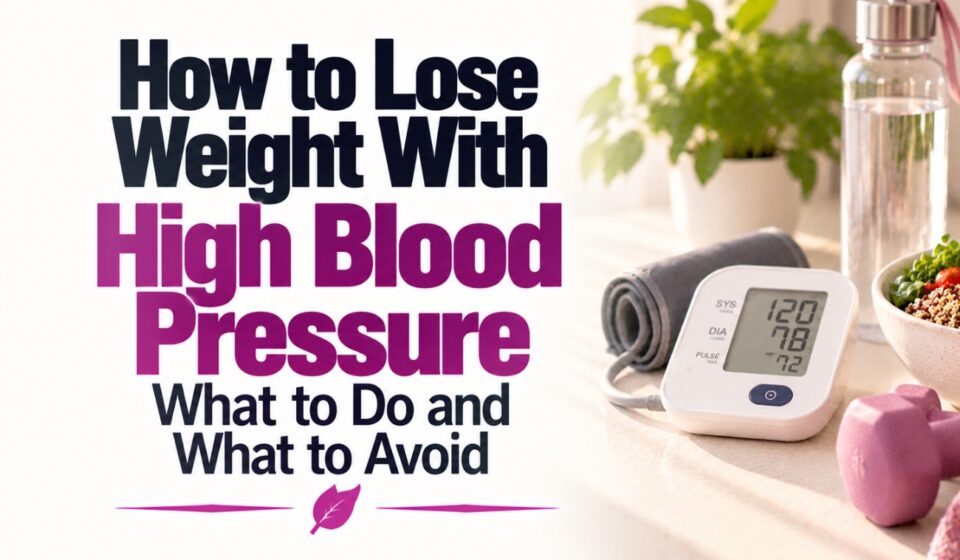
How to Lose Weight With High Blood Pressure — What to Do and What to Avoid

The specific approach that addresses both conditions simultaneously — and the common weight loss tactics that make hypertension worse
High blood pressure and excess weight are deeply interconnected — each worsening the other, and each improving when the other does. Losing weight with hypertension requires an approach that addresses both simultaneously, while avoiding the common weight loss tactics that can make blood pressure worse before they make it better.
This guide covers the evidence-based approach for both conditions — including what to do, what to avoid, and what to watch for.
How Excess Weight Raises Blood Pressure
Understanding the mechanisms clarifies why weight loss is so effective for hypertension:
Increased blood volume: More body mass requires more blood to supply oxygen and nutrients — increasing the total volume of blood the heart must pump, raising pressure against vessel walls.
Increased vascular resistance: Fat tissue — particularly visceral fat — releases hormones that promote arterial stiffness and reduce the flexibility of blood vessel walls. As covered in our guide to why your waist size matters — visceral fat is metabolically active in ways that directly damage vascular function.
Insulin resistance: Excess weight — particularly visceral fat — promotes insulin resistance, which causes the kidneys to retain sodium and water, directly raising blood pressure. As covered in our guide to how to improve insulin sensitivity naturally — addressing insulin resistance addresses a primary driver of hypertension.
Sympathetic nervous system activation: Excess weight increases activity of the sympathetic nervous system — raising heart rate, constricting blood vessels, and elevating blood pressure.
Sleep apnea: Strongly associated with excess weight — as covered in our guide to how to lose weight with sleep apnea — sleep apnea causes repeated overnight blood pressure surges that damage blood vessels over time.
How Much Does Weight Loss Actually Lower Blood Pressure?
The evidence is well-established and clinically meaningful:
- Each 2.2 lbs (1kg) of weight lost reduces systolic blood pressure by approximately 1 mmHg
- 10 lbs lost: approximately 4-5 mmHg systolic reduction
- 20 lbs lost: approximately 8-10 mmHg systolic reduction
To put this in context: the most commonly prescribed antihypertensive medications (ACE inhibitors, calcium channel blockers) typically reduce systolic pressure by 5-10 mmHg. Meaningful weight loss produces pharmacologically equivalent blood pressure reduction — from lifestyle alone.
“Losing 20 pounds produces blood pressure reduction equivalent to starting a first-line antihypertensive medication. For people with mildly elevated blood pressure, weight loss may eliminate the need for medication entirely — under medical supervision.”
Dietary Approach for Weight Loss With Hypertension
The DASH Diet — The Most Evidence-Backed Approach
The Dietary Approaches to Stop Hypertension (DASH) diet has the strongest evidence of any dietary pattern for blood pressure management — producing average reductions of 8-14 mmHg systolic in clinical trials. When combined with calorie restriction for weight loss, the effects are additive.
DASH principles:
- High fruit and vegetable intake — aim for 8-10 servings daily
- Low-fat dairy — calcium and potassium support blood pressure regulation
- Lean protein — fish, poultry, legumes
- Whole grains over refined
- Nuts and seeds in moderation
- Severely restricted sodium — under 2,300mg daily (ideally under 1,500mg)
- Limited saturated fat
- Very limited added sugar and sweets
As covered in our guide to best anti-inflammatory foods for weight loss — the anti-inflammatory properties of the DASH diet’s fruit, vegetable, and omega-3 emphasis directly support vascular health alongside weight loss.
Sodium — The Most Important Specific Variable
Sodium restriction produces the most direct and immediate blood pressure benefit of any dietary change. Every 1,000mg reduction in daily sodium reduces systolic pressure by approximately 2-8 mmHg.
Hidden sodium sources most people miss:
- Bread — often 150-200mg per slice
- Canned soups — often 800-1,000mg per can
- Restaurant meals — typically 1,500-3,000mg per meal
- Condiments — soy sauce (900mg/tablespoon), ketchup, mustard
- Processed meats — deli meat, bacon, sausage
- Cheese — surprisingly high sodium content
- Canned vegetables — rinse to reduce sodium by ~40%
As covered in our guide to what’s wrong with ultra-processed food — ultra-processed foods are the primary sodium delivery vehicle in most people’s diets. Reducing ultra-processed food reduces sodium intake significantly without deliberate sodium tracking.
Potassium — The Underappreciated Blood Pressure Nutrient
Potassium counters sodium’s blood pressure-raising effects through multiple mechanisms — kidney function, vascular tone, and fluid balance. Most people consuming standard Western diets are significantly potassium-deficient.
Best potassium sources:
- Sweet potato (542mg per medium potato)
- Avocado (708mg per avocado)
- Spinach (839mg per cooked cup)
- Beans and legumes (600-800mg per cooked cup)
- Banana (422mg per banana)
- Salmon (534mg per 85g)
- Yogurt (380mg per cup)
As covered in our guide to 12 high-carb foods that are actually healthy — sweet potatoes and legumes provide both potassium and fiber that directly support blood pressure management.
Magnesium — The Blood Pressure Mineral
Magnesium deficiency is extremely common and directly associated with higher blood pressure. Magnesium:
- Relaxes blood vessel walls — reducing vascular resistance
- Supports healthy potassium balance
- Reduces inflammation that damages blood vessels
Best magnesium sources: Dark leafy greens, nuts (particularly almonds and cashews), seeds, dark chocolate, legumes, whole grains. As covered in our guide to dietary supplements for weight loss — magnesium supplementation is one of the most evidence-backed supplements for blood pressure management in deficient individuals.
Alcohol — A Direct Blood Pressure Raiser
Alcohol raises blood pressure through multiple mechanisms and is one of the most significant modifiable risk factors for hypertension. As covered in our guide to is alcohol bad for weight loss — alcohol’s effects on weight AND blood pressure make it particularly worth reducing for people managing both conditions.
Reducing alcohol to 1 drink daily (women) or 2 (men) reduces systolic pressure by approximately 2-4 mmHg — significant for people with borderline hypertension.
Caffeine — Individual Response Varies
Caffeine produces an acute blood pressure rise of approximately 3-8 mmHg. For habitual coffee drinkers, this effect is largely attenuated by tolerance. For non-habitual consumers — caffeine sensitivity is higher.
As covered in our guide to does coffee help you lose weight — black coffee’s metabolic benefits are real. For hypertension management — monitor your individual blood pressure response to caffeine rather than eliminating it based on general advice.
Exercise for Weight Loss With Hypertension
Exercise directly reduces blood pressure — independent of weight loss. Regular aerobic exercise reduces resting systolic pressure by 5-8 mmHg. This makes exercise both a weight loss tool and a direct blood pressure intervention.
Aerobic Exercise — Primary Recommendation
Moderate-intensity aerobic exercise is the most evidence-backed exercise for blood pressure reduction:
- 30-45 minutes of brisk walking, cycling, or swimming
- 5 days per week
- Moderate intensity — able to hold a conversation but slightly breathless
As covered in our guide to aerobic exercise for weight loss — this volume produces meaningful cardiovascular and fat loss results. As covered in our guide to how to get your heart rate up for weight loss — Zone 2 exercise (60-70% maximum heart rate) is the sweet spot for blood pressure reduction specifically.
Walking: The most accessible starting point — as covered in our guide to how to lose weight walking — consistent walking produces meaningful blood pressure and weight loss benefits. As covered in our guide to how many steps to lose weight — building toward 10,000 daily steps produces significant cardiovascular benefit.
Strength Training — Important but With Caveats
Resistance training produces modest but real blood pressure reductions — approximately 2-3 mmHg systolic with regular training. The mechanism involves improved vascular function and reduced arterial stiffness.
The hypertension-specific caution: Intense isometric exercises (holding breath while straining under heavy weight — the Valsalva maneuver) produce dramatic acute blood pressure spikes. These are not appropriate for people with uncontrolled hypertension.
Safe strength training for hypertension:
- Exhale during the exertion phase — never hold breath
- Higher repetitions at lower weight (12-15 reps) rather than maximum effort
- Avoid exercises where blood pressure is naturally elevated (overhead pressing, heavy squats) if hypertension is uncontrolled
- As covered in our guide to cardio vs weights for fat loss — begin with aerobic exercise before adding strength training if starting from sedentary
Exercise Precautions for Hypertension
Get medical clearance first: Before starting an exercise program with known hypertension — particularly Stage 2 hypertension (above 140/90) — medical clearance is appropriate.
Monitor your response: Many people with hypertension find exercise produces appropriate blood pressure reduction during and after activity. Some find it excessively elevated during exercise — tracking resting and post-exercise blood pressure helps identify safe intensity levels.
Warning signs to stop exercise and seek medical attention:
- Headache during exercise
- Chest pain or tightness
- Dizziness or lightheadedness
- Shortness of breath beyond what effort warrants
- Unusual fatigue
What to Avoid With Hypertension During Weight Loss
Aggressive Calorie Restriction
Dramatic calorie restriction elevates cortisol — which raises blood pressure through sodium retention and sympathetic nervous system activation. As covered in our guide to do you really have high cortisol — chronic cortisol elevation directly worsens hypertension. As covered in our guide to is losing 2 pounds a week safe — a moderate deficit is safer and more effective than aggressive restriction at any health condition.
High-Intensity Exercise Without Baseline Fitness
HIIT and very high intensity exercise produces acute blood pressure spikes that may be unsafe for people with uncontrolled hypertension. Build aerobic base first — moderate intensity consistently — before introducing high intensity intervals.
High-Sodium Diet Foods Even “Healthy” Options
Many foods commonly promoted for weight loss are high in sodium — protein bars, processed deli meats, low-calorie frozen meals, cottage cheese (significant sodium), most restaurant food. Read labels. The weight loss benefit doesn’t outweigh the sodium problem for hypertension.
Certain Supplements
Several supplements commonly used for weight loss raise blood pressure:
- Ephedrine and synephrine: Both significantly raise blood pressure — avoid entirely
- High-dose caffeine supplements: Greater effect than moderate coffee consumption
- Licorice root: Raises blood pressure through aldosterone pathway
- NSAIDs (ibuprofen, naproxen): Regular use raises blood pressure and reduces antihypertensive medication effectiveness
As covered in our guide to dietary supplements for weight loss — most weight loss supplements are either ineffective or potentially harmful for hypertension.
Stopping Blood Pressure Medication Without Medical Guidance
This is the most important avoidance point. Even with significant weight loss producing meaningful blood pressure reduction — medication adjustment must happen under medical supervision. Blood pressure should be consistently measured over multiple weeks before medication doses are adjusted.
Monitoring Blood Pressure During Weight Loss
Home blood pressure monitoring: A home blood pressure monitor ($25-50) allows tracking the blood pressure response to dietary and exercise changes — providing real-time feedback that motivates continuation.
How to measure accurately:
- Sit quietly for 5 minutes before measuring
- Feet flat on floor, arm supported at heart level
- Don’t talk during measurement
- Measure at the same time of day
- Take 2-3 readings and average
When to contact your doctor:
- Readings consistently above 180/120 — seek immediate care
- Readings consistently above 160/100 despite medication — contact doctor within days
- Symptoms of hypertensive urgency: severe headache, vision changes, chest pain, shortness of breath
When Medical Weight Loss Support Is Appropriate
For people with hypertension who have implemented dietary and lifestyle changes without adequate results — medical weight loss support is particularly appropriate given the direct cardiovascular risk.
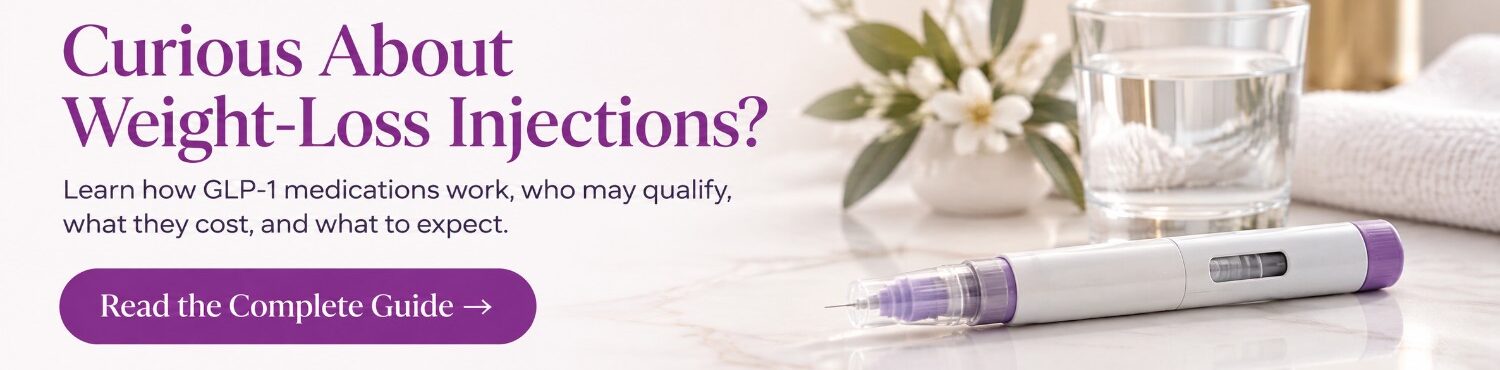
As covered in our guide to what are weight loss injections — GLP-1 medications produce meaningful weight loss and have demonstrated 20% reduction in major cardiovascular events (SELECT trial), making them particularly valuable for people with cardiovascular risk factors including hypertension.
Breeze Meds offers telehealth medical evaluations to assess whether prescription weight loss treatment is appropriate — including people managing hypertension.
Check eligibility & pricing at Breeze Meds →Affiliate disclosure: We may earn a commission if you use this link. Breeze Meds provides telehealth weight-loss services. Prescription medication is only provided following an evaluation by a licensed healthcare professional and is not guaranteed.
The Bottom Line
Losing weight with high blood pressure requires an approach that addresses both conditions simultaneously:
Dietary:
- DASH dietary pattern — highest evidence for blood pressure + weight
- Sodium under 2,300mg daily — ideally under 1,500mg
- Adequate potassium — sweet potato, avocado, legumes, leafy greens
- Adequate magnesium — nuts, seeds, dark leafy greens
- Significantly reduce or eliminate alcohol
- Monitor caffeine response individually
Exercise:
- Moderate aerobic exercise 5 days per week — primary recommendation
- Walking as the accessible starting point
- Strength training with proper breathing — no Valsalva maneuver
- Medical clearance before starting if Stage 2 hypertension
Avoid:
- Aggressive calorie restriction
- High intensity exercise before aerobic base is established
- High sodium “healthy” foods
- Blood pressure-raising supplements
- Medication changes without medical supervision
Monitor:
- Home blood pressure — track the response to changes
- Know when to contact your doctor
For the complete cardiovascular health framework, our guides to how to reduce inflammation to lose weight and how to improve insulin sensitivity naturally cover the upstream drivers that connect weight, blood pressure, and metabolic health.
Have you found that weight loss has meaningfully reduced your blood pressure — and which dietary or lifestyle change produced the most noticeable effect? Share in the comments.
Stop Wondering What to Eat This Week
Get my free 7-Day High-Protein Weight Loss Meal Plan delivered straight to your inbox — a simple week of satisfying, protein-focused meals designed to make healthy eating easier without complicated calorie tracking.
- 7 full days of breakfast, lunch, dinner & snacks
- One complete shopping list for the whole week
- A quick high-protein food cheat sheet
- Simple daily tips to help you stay on track
Free PDF • Delivered by email • Unsubscribe anytime
Check your inbox 💜
Your free 7-day high-protein meal plan is on its way.