
The most socially complicated weight loss question — here’s what the evidence actually shows
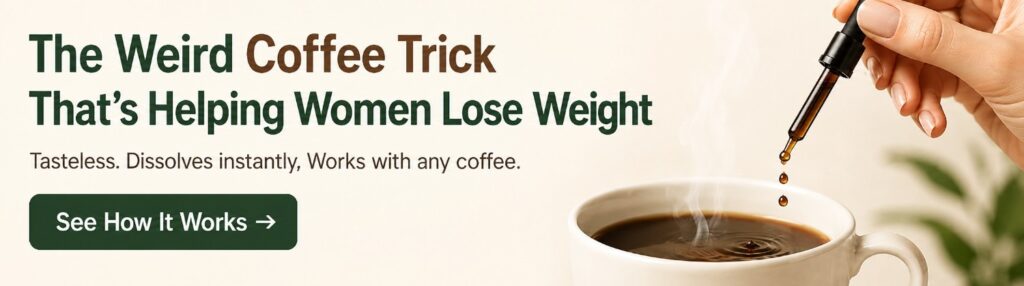
Alcohol is the weight loss topic most people want an honest answer to — and most nutrition content either moralizes about it or gives empty reassurance. Here’s the straightforward evidence-based answer.
The Short Answer
Yes — alcohol is genuinely bad for weight loss through multiple specific mechanisms. But “bad” exists on a spectrum, and the impact of occasional moderate drinking is very different from regular heavy drinking.
How Alcohol Specifically Impairs Fat Loss
Alcohol Pauses Fat Burning
This is the most direct mechanism — and the one most people don’t know about.
When you consume alcohol, your liver prioritizes metabolizing it above everything else. Alcohol is a toxin that the body wants to clear as quickly as possible. During this process — which can last several hours depending on how much you drank — fat oxidation (fat burning) is essentially paused.
Any fat that would otherwise be burned during this period is instead stored. Any dietary fat consumed while drinking is more likely to be stored as well.
This doesn’t mean one drink permanently disrupts fat loss — but it does mean that every hour your body is processing alcohol is an hour it’s not burning fat.
Alcohol Calories Are Real and Add Up Fast
Alcohol contains 7 calories per gram — more than protein (4 cal/g) or carbohydrates (4 cal/g), though less than fat (9 cal/g). These calories are metabolically real, easily consumed, and provide essentially zero nutritional value.
| Drink | Calories |
|---|---|
| Beer (355ml, regular) | 150 |
| Beer (355ml, light) | 100 |
| Wine (150ml glass) | 125 |
| Spirits (45ml shot) | 97 |
| Margarita | 250–350 |
| Piña colada | 350–500 |
| Long island iced tea | 400–500 |
Three standard drinks on a Friday evening: 300–500+ calories — all consumed quickly, without satiety, and without reducing hunger at the next meal.
Alcohol Increases Appetite
Alcohol stimulates appetite through multiple mechanisms:

- Lowers inhibitions around food choices
- Stimulates ghrelin (hunger hormone)
- Reduces leptin (fullness hormone)
- Activates hunger-signaling pathways in the hypothalamus
The practical result: people eat more when drinking. The late-night pizza, the post-bar fast food, the snacking while drinking — these are largely driven by alcohol’s direct effect on appetite hormones, not just poor decision-making.
Studies find that people consume 20–30% more calories at meals when they’ve had alcohol beforehand compared to no alcohol.
Alcohol Disrupts Sleep Quality
This is one of alcohol’s most underappreciated weight loss impacts. While alcohol helps people fall asleep faster, it dramatically disrupts sleep architecture — reducing deep sleep and REM sleep, causing more frequent nighttime awakenings, and producing unrestorative sleep even after adequate hours in bed.
As covered in our article on why sleep is the most underrated weight loss tool, poor sleep directly elevates hunger hormones, raises cortisol, impairs insulin sensitivity, and makes dietary adherence significantly harder the following day.
One night of alcohol-disrupted sleep can increase next-day calorie intake by 300–400 calories — often more than the drinks themselves contained.
Alcohol Is Calorie-Dense and Nutrient-Free
Unlike protein, fat, or carbohydrates — which all provide essential nutrients alongside their calories — alcohol provides essentially no nutritional value. It supplies calories without protein (muscle preservation), fiber (satiety and gut health), vitamins, or minerals.
These are the lowest-value calories in any diet — consumed quickly, providing no satiety, no nutrition, and actively impairing fat burning while they’re being processed.
Alcohol Promotes Visceral Fat
Regular alcohol consumption — particularly beer and spirits — is associated with visceral belly fat accumulation specifically. The “beer belly” isn’t just a stereotype; alcohol’s metabolic effects, combined with the calorie surplus it often produces, specifically promote abdominal fat storage.
As covered in our guide to how to get rid of belly fat, alcohol is one of the most directly targeted dietary changes for visceral fat reduction.
Does the Type of Alcohol Matter?
Yes — significantly for calorie content, though less so for the metabolic mechanisms above (which apply to all alcohol):
Lowest calorie options:
- Spirits with soda water (vodka soda, gin and tonic with diet tonic): 65–95 calories
- Dry wine (white or red): 120–130 calories per glass
- Light beer: 95–110 calories
Highest calorie options:
- Craft beers, stouts, IPAs: 200–350 calories
- Cocktails with juice or syrup: 250–500 calories
- Creamy cocktails (piña colada, mudslide): 350–600 calories
As covered in our detailed guide to how to lose weight without giving up alcohol, choosing spirits with soda water over cocktails or craft beer can reduce alcohol calorie intake by 60–70% without reducing how much you drink.
What the Research Shows
Consistent findings across studies:
- Higher alcohol consumption is associated with higher body weight and greater abdominal fat in population studies
- People who drink regularly consume more total daily calories than non-drinkers — beyond just the alcohol calories
- Alcohol specifically impairs the fat oxidation that is central to fat loss
- Even moderate drinking (1–2 drinks per day) is associated with modest weight gain over time in some studies
The nuance:
Some studies on light drinking (under 1 drink per day) find neutral or even slightly positive associations with metabolic health — possibly due to lifestyle confounders (social drinkers may have generally healthier lifestyles than non-drinkers in some populations).
But for fat loss specifically — where the goal is maximizing calorie deficit and fat oxidation — even moderate drinking creates obstacles.
How Bad Is It Really? The Practical Spectrum
Occasional light drinking (1–3 drinks, 1–2 times per week): Impact on fat loss: modest. Manageable with calorie awareness and strategic food choices. Not a dealbreaker for most people.
Regular moderate drinking (1–2 drinks daily): Impact on fat loss: meaningful. Sleep disruption accumulates, weekly calorie addition is significant (700–2,000 calories per week), fat oxidation is regularly paused. Noticeably slows fat loss.
Heavy drinking (3+ drinks regularly, binge drinking): Impact on fat loss: severe. Significant calorie surplus, chronic sleep disruption, appetite hormone disruption, hormonal effects on testosterone and cortisol. Makes sustained fat loss very difficult.
If You’re Going to Drink: Minimizing the Damage
Choose low-calorie options: Spirits with soda water, dry wine, light beer — as discussed above.
Eat before drinking: A protein-rich meal before drinking slows alcohol absorption, reduces appetite stimulation, and prevents the worst of the post-drinking hunger.
Set a weekly budget: Decide in advance how many drinks per week fits your fat loss goals — and stick to it rather than drinking reactively.
Protect sleep: Avoid drinking within 3 hours of bedtime where possible — reduces sleep disruption significantly.
Manage the day after: A protein-rich breakfast the morning after drinking manages the hunger hormone disruption that drives post-drinking calorie overconsumption.
The Bottom Line
Is alcohol bad for weight loss?
Yes — through specific mechanisms:
- Pauses fat burning while being metabolized
- Adds calories with zero satiety or nutrition
- Directly stimulates appetite
- Disrupts sleep and next-day hunger hormones
- Promotes visceral belly fat specifically
The honest spectrum:
- Occasional light drinking: manageable impact with awareness
- Regular moderate drinking: meaningful fat loss slowdown
- Heavy/frequent drinking: severe obstacle to fat loss
The practical recommendation: If fat loss is the primary goal, minimizing alcohol produces meaningfully better results. If alcohol is part of your life and you’re not willing to eliminate it — manage it strategically using the approaches in our guide to how to lose weight without giving up alcohol.
Have you noticed a difference in your weight loss progress during periods when you drink vs. when you don’t? Share in the comments.