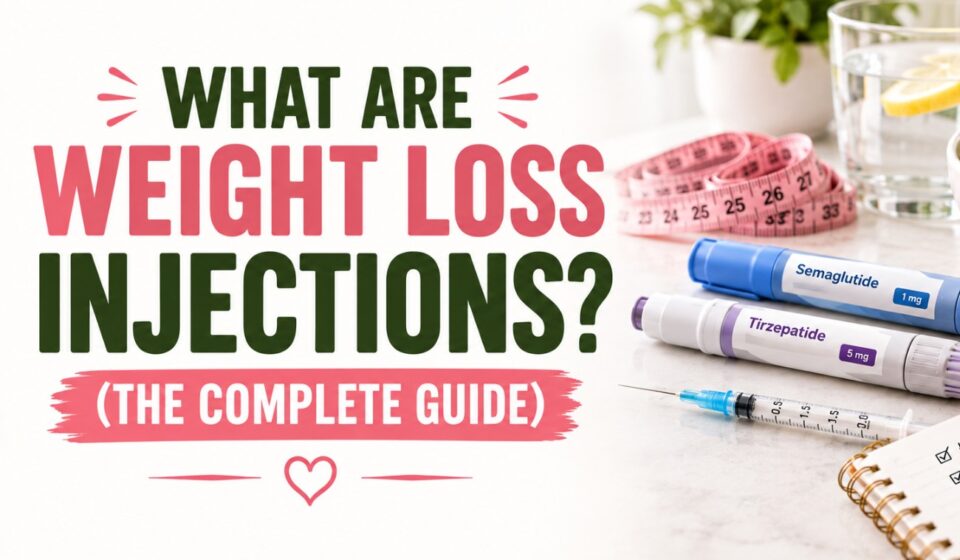

Everything you need to know about the medications that have transformed obesity treatment — how they work, what to expect, and whether they might be right for you
Weight loss injections have gone from niche diabetes medications to the most talked-about medical intervention in recent history. Celebrities have referenced them. Waiting lists exist at clinics. The pharmaceutical companies producing them can barely keep up with demand.
But for most people, the basic questions remain unanswered: What are they actually? How do they work? Are they safe? Who can get them? And most importantly — do they actually work?

This is the complete, honest guide.
What Are Weight Loss Injections?
Weight loss injections are prescription medications administered via self-injection — typically once weekly using a pre-filled pen device similar to an insulin pen. They are not diet pills, supplements, or anything available over the counter.
The medications currently used for weight loss belong primarily to a class called GLP-1 receptor agonists — drugs that mimic a naturally occurring hormone in the body called glucagon-like peptide-1 (GLP-1).
The most well-known medications in this category:
Semaglutide:
- Brand name Wegovy (approved specifically for weight loss)
- Brand name Ozempic (approved for type 2 diabetes, widely used off-label for weight loss)
- Administered once weekly via subcutaneous injection
Tirzepatide:
- Brand name Mounjaro (approved for type 2 diabetes)
- Brand name Zepbound (approved specifically for weight loss)
- A dual GIP/GLP-1 receptor agonist — targets two hormonal pathways instead of one
- Currently showing the strongest weight loss results of any medication in this class
Liraglutide:
- Brand name Saxenda (approved for weight loss)
- Brand name Victoza (approved for type 2 diabetes)
- Administered daily rather than weekly — older generation, less commonly prescribed now
How Do Weight Loss Injections Work?
This is where most explanations oversimplify. Weight loss injections work through multiple simultaneous mechanisms — not just “suppressing appetite.”
1. GLP-1 Receptor Activation
GLP-1 is a hormone naturally produced in the gut after eating. It signals to the brain that food has been consumed — producing satiety. GLP-1 receptor agonist medications bind to the same receptors as natural GLP-1 but with much higher potency and significantly longer duration.
The result: a sustained satiety signal that dramatically reduces appetite and food intake. People on these medications consistently report that food simply becomes much less interesting — cravings reduce, portion sizes naturally decrease, and the psychological pull of food diminishes significantly.
2. Slowed Gastric Emptying
GLP-1 receptor activation slows the rate at which food moves from the stomach into the small intestine. Food stays in the stomach longer — extending physical fullness after meals and reducing the speed at which blood glucose rises after eating.
This contributes to satiety between meals and reduces post-meal hunger that typically drives snacking.
3. Blood Sugar Regulation
These medications improve insulin secretion in response to meals and reduce glucagon (a hormone that raises blood sugar). The result is better blood sugar regulation — reducing the insulin spikes that promote fat storage and improving the metabolic environment for fat loss.
This is why these medications were originally developed for type 2 diabetes — the blood sugar benefits were discovered first, and the dramatic weight loss was initially a secondary finding.
4. Brain-Level Appetite Regulation
GLP-1 receptors exist throughout the brain — including in regions governing reward, motivation, and addiction. Activation of these brain receptors reduces the reward value of food — making high-calorie foods less appealing and reducing the dopamine-driven eating that underlies food addiction and emotional eating.
Some research suggests these medications may also reduce alcohol consumption and other addictive behaviors through the same brain reward pathway modulation — an area of active investigation.
5. Tirzepatide’s Additional Mechanism (GIP)
Tirzepatide activates both GLP-1 receptors AND GIP (glucose-dependent insulinotropic polypeptide) receptors. GIP has complementary effects on fat cell metabolism and energy expenditure — which may explain why tirzepatide consistently produces greater weight loss than semaglutide in head-to-head comparisons.
Do Weight Loss Injections Actually Work?
The clinical trial evidence is remarkable — these medications produce weight loss results that were previously only achievable with bariatric surgery.
Semaglutide (Wegovy) Evidence
The STEP trials — the pivotal clinical trials for semaglutide at weight loss doses:
- STEP 1: 68 weeks of semaglutide 2.4mg weekly — average weight loss of 14.9% of body weight vs. 2.4% for placebo. Nearly 70% of participants lost more than 10% of body weight.
- STEP 4: Participants who lost weight on semaglutide then either continued or switched to placebo. Those who stopped regained most of the weight within a year — demonstrating the medication’s role in maintaining weight loss.
For a 200-pound person, 14.9% weight loss = approximately 30 pounds — a clinically meaningful reduction that significantly reduces cardiovascular risk, improves metabolic markers, and resolves obesity-related conditions.
Tirzepatide (Zepbound/Mounjaro) Evidence
The SURMOUNT trials — tirzepatide at weight loss doses:
- SURMOUNT-1: 72 weeks — average weight loss of 20.9% of body weight at the highest dose (15mg weekly). 91% of participants lost more than 5% of body weight. 57% lost more than 20%.
20.9% weight loss for a 200-pound person = approximately 42 pounds. These are outcomes that were essentially unachievable with any previous non-surgical intervention.
Comparison to Previous Options
| Intervention | Average Weight Loss |
|---|---|
| Lifestyle intervention alone | 3-5% |
| Older weight loss medications (orlistat, phentermine) | 5-8% |
| Semaglutide (Wegovy) | 15% |
| Tirzepatide (Zepbound) | 21% |
| Bariatric surgery (gastric bypass) | 25-35% |
Weight loss injections have narrowed the gap between medication and surgery to a degree previously considered impossible.
Who Qualifies for Weight Loss Injections?
These are prescription medications — not available to everyone who wants them. Standard qualification criteria:
BMI-based qualification:
- BMI ≥ 30 (obesity), OR
- BMI ≥ 27 (overweight) with at least one weight-related health condition (type 2 diabetes, high blood pressure, high cholesterol, sleep apnea, cardiovascular disease)
Medical evaluation: A licensed prescriber (physician, nurse practitioner, or physician assistant) reviews medical history, current medications, and contraindications before prescribing.
Contraindications (reasons you may not qualify):
- Personal or family history of medullary thyroid carcinoma (MTC)
- Multiple Endocrine Neoplasia syndrome type 2 (MEN 2)
- Pregnancy or breastfeeding
- Pancreatitis history (relative contraindication)
- Severe gastrointestinal disease
- Certain other conditions — discussed during medical evaluation
As covered in our guide to who qualifies for weight loss injections, the qualification process through telehealth providers like Breeze Meds has become significantly more accessible — making evaluation available without the traditional waiting lists of in-person obesity medicine clinics.
How Are They Administered?
The mechanics of self-injection are simpler than most people expect — and far less intimidating than the word “injection” suggests.
The injection process:
- Pre-filled pen device — similar to an EpiPen or insulin pen
- Subcutaneous injection (under the skin, not into muscle or vein)
- Common injection sites: abdomen, upper thigh, or back of upper arm
- Needle is very small (4-5mm, 32 gauge) — most people report minimal to no pain
- Once weekly for most medications (semaglutide, tirzepatide) or once daily (liraglutide)
The dose escalation process: All weight loss injections start at low doses and increase gradually over weeks to months — this is critical for minimizing side effects:
Semaglutide (Wegovy) dose escalation:
- Weeks 1-4: 0.25mg weekly
- Weeks 5-8: 0.5mg weekly
- Weeks 9-12: 1mg weekly
- Weeks 13-16: 1.7mg weekly
- Week 17+: 2.4mg weekly (maintenance dose)
The gradual escalation allows the body to adapt — people who rush the escalation experience significantly more side effects.
Side Effects — What to Actually Expect
Side effects are real — and the most common reason people stop the medication before reaching effective doses.
Common Side Effects (Most People Experience)
Gastrointestinal symptoms are by far the most common — affecting 70-80% of users to some degree:
- Nausea (most common — typically worst in the first weeks)
- Vomiting (less common than nausea)
- Diarrhea
- Constipation
- Bloating and gas
- Stomach pain
These symptoms are almost always worst at the beginning of treatment and with each dose increase — and typically improve significantly as the body adapts. Eating smaller meals, avoiding high-fat foods, and staying hydrated reduces their severity.
Fatigue — particularly in the first weeks as eating habits change significantly.
Reduced appetite — technically the intended effect, but can occasionally be so pronounced that people struggle to eat enough, particularly protein.
Less Common but Notable
Muscle loss: The dramatic calorie reduction from appetite suppression can cause muscle loss alongside fat loss — making adequate protein intake (0.8-1g per pound of bodyweight) and resistance training critical. As covered in our guide to weight loss injections and muscle loss, this is one of the most important management considerations.
Hair loss: Telogen effluvium — temporary hair shedding — occurs in some people on significant calorie restriction, including those on weight loss injections. Usually temporary and resolves as the body adapts.
Injection site reactions: Redness, swelling, or itching at the injection site — generally mild and temporary.
Serious Side Effects (Rare)
Pancreatitis: Inflammation of the pancreas — rare but serious. Seek immediate medical attention for severe abdominal pain.
Gallbladder disease: Rapid weight loss (from any cause) increases gallstone risk. Weight loss injections carry some increased gallbladder disease risk.
Thyroid tumors: GLP-1 receptor agonists caused thyroid C-cell tumors in rodent studies — the clinical significance in humans is uncertain but is the basis for the thyroid cancer contraindication.
Diabetic retinopathy: Rapid improvement in blood sugar control can temporarily worsen diabetic eye disease in people with pre-existing retinopathy.
As covered in our comprehensive guide to weight loss injection side effects, most people find that side effects are manageable with proper dose escalation and dietary adjustments.
How Much Do They Cost?
Cost is one of the most significant barriers to access for weight loss injections.
Brand name medications (without insurance):
- Wegovy (semaglutide 2.4mg): approximately $1,300-1,500 per month
- Zepbound (tirzepatide): approximately $1,000-1,300 per month
- Saxenda (liraglutide): approximately $1,300-1,500 per month
With insurance: Coverage varies dramatically — many insurance plans cover these medications for type 2 diabetes management but not for weight loss specifically. Medicare currently does not cover weight loss medications.
Compounded medications: During the semaglutide and tirzepatide shortage periods, FDA-registered compounding pharmacies produced compounded versions of these medications at significantly lower cost ($200-400/month). The regulatory status of compounded GLP-1 medications continues to evolve — discuss with your prescribing provider.
As covered in our guide to how much weight loss injections cost, the cost landscape is changing rapidly — telehealth providers and compounding pharmacies have made access significantly more affordable than brand-name retail pricing suggests.
What Happens When You Stop?
This is one of the most important questions — and the answer requires honesty.
Weight regain is common after stopping:
The STEP 4 trial showed that participants who stopped semaglutide after achieving significant weight loss regained approximately two-thirds of their lost weight within a year. This isn’t a failure of willpower — it’s the medication’s mechanism.
GLP-1 receptor agonists work by compensating for what appears to be a deficiency in GLP-1 signaling in people with obesity. When the medication is stopped, this compensation ends — and the appetite and metabolic drivers of weight regain reassert themselves.
What this means practically:
Weight loss injections appear to be long-term or indefinite treatments for many people — similar to blood pressure medication or cholesterol medication. This is not a course of treatment with a defined endpoint for most users.
Some people successfully maintain weight loss after stopping through significant lifestyle changes established during treatment. But for most people, gradual weight regain occurs without continued medication.
As covered in our guide to what happens when you stop weight loss injections, understanding this before starting helps set realistic expectations about the nature of the treatment.
Weight Loss Injections vs. Diet and Exercise Alone
The combination of medication and lifestyle intervention consistently outperforms either alone:
- Medication alone: significant weight loss, potentially less sustainable
- Lifestyle alone: modest weight loss (3-5%), often difficult to maintain
- Medication + lifestyle: best outcomes — the medication reduces appetite, making dietary adherence dramatically easier; lifestyle changes improve the metabolic environment the medication works in
Weight loss injections don’t replace dietary changes and exercise — they make those changes significantly easier to implement and sustain by removing the relentless hunger that typically derails them.
How to Access Weight Loss Injections
Traditional pathway:
- Referral to obesity medicine specialist or endocrinologist
- Often involves waiting lists of months
- Insurance prior authorization process
- In-person visits
Telehealth pathway (increasingly common): Telehealth providers have dramatically simplified access — online medical intake, virtual consultation with a licensed prescriber, medication shipped to home. The entire process can be completed without leaving the house.
Breeze Meds is a licensed telehealth provider offering evaluation for GLP-1 weight loss medications — including compounded semaglutide and tirzepatide at accessible price points.
Check eligibility & pricing at Breeze Meds →Affiliate disclosure: We may earn a commission if you use this link. Breeze Meds provides telehealth weight-loss services. Prescription medication is only provided following an evaluation by a licensed healthcare professional and is not guaranteed.
The Bottom Line
What are weight loss injections?
Prescription medications — primarily GLP-1 receptor agonists — that produce significant, clinically meaningful weight loss through multiple simultaneous mechanisms: appetite suppression, slowed gastric emptying, improved blood sugar regulation, and brain-level food reward modulation.
Do they work?
Yes — with clinical trial evidence showing 15-21% average weight loss, these medications have the strongest weight loss evidence of any non-surgical intervention in history.
Are they right for everyone?
No — they require medical evaluation, have real side effects, require ongoing use for most people to maintain results, and remain expensive without insurance coverage. But for people who qualify and can access them, the evidence is compelling.
The key questions to ask:
- Do I meet the BMI criteria?
- Do I have any contraindications?
- Can I access and afford ongoing treatment?
- Am I prepared to combine medication with dietary and lifestyle changes for best results?
For the complete picture on specific medications, see our guides to Wegovy vs Ozempic vs Mounjaro, weight loss injection side effects, and how much weight loss injections cost.
Do you have questions about weight loss injections that this guide didn’t answer? Leave them in the comments and I’ll address them.
Stop Wondering What to Eat This Week
Get my free 7-Day High-Protein Weight Loss Meal Plan delivered straight to your inbox — a simple week of satisfying, protein-focused meals designed to make healthy eating easier without complicated calorie tracking.
- 7 full days of breakfast, lunch, dinner & snacks
- One complete shopping list for the whole week
- A quick high-protein food cheat sheet
- Simple daily tips to help you stay on track
Free PDF • Delivered by email • Unsubscribe anytime
Check your inbox 💜
Your free 7-day high-protein meal plan is on its way.