
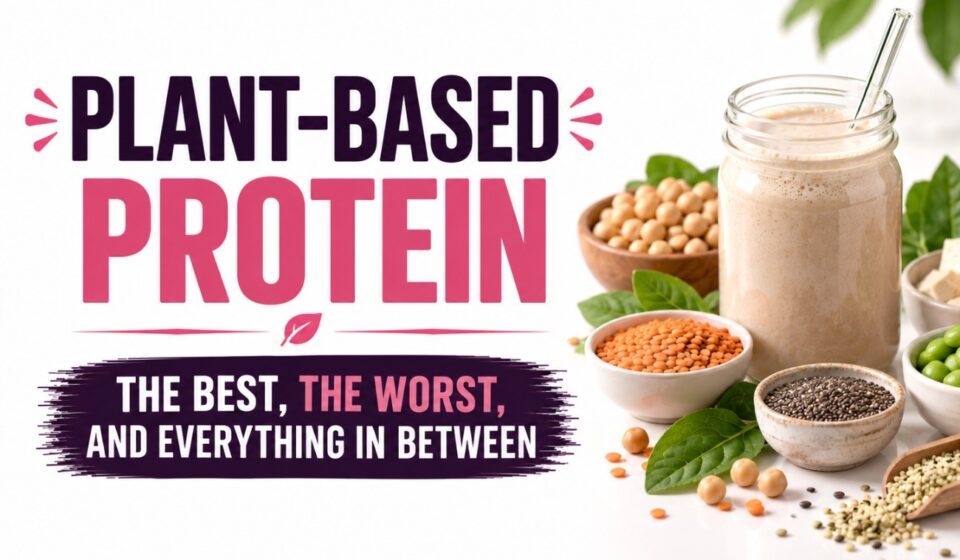

The honest ranking of every major plant protein source — by quality, bioavailability, and practical value for weight loss
Plant-based protein has gone from niche concern to mainstream conversation — driven by both the growth of plant-based eating and the explosion of protein-fortified plant foods that may or may not deliver what they promise.
The honest assessment requires acknowledging something that plant-based advocates sometimes gloss over: not all plant proteins are created equal, and the gap between the best and worst plant protein sources is enormous.
Here’s the complete, evidence-based guide.
Why Protein Quality Matters — Beyond Grams on the Label
Before ranking plant proteins — understanding why quality differs:
Complete vs. Incomplete Proteins
Proteins are made of amino acids — 20 total, 9 of which are “essential” (the body can’t make them and must get them from food).
Complete proteins contain all 9 essential amino acids in adequate amounts. Incomplete proteins are missing or low in one or more essential amino acids.
Most animal proteins are complete. Most plant proteins are incomplete — with specific amino acid limitations that affect how effectively the body uses them.
The limiting amino acid concept: A protein is only as useful as its most limited essential amino acid. If a protein is low in lysine — the body can only use as much of all the other amino acids as lysine allows, regardless of how much of the others are present.
Digestibility — PDCAAS and DIAAS Scores
Protein digestibility scores measure how effectively the body can actually use the protein in a food — accounting for both amino acid profile and digestibility:
PDCAAS (Protein Digestibility Corrected Amino Acid Score): Older scoring system — maximum score of 1.0
DIAAS (Digestible Indispensable Amino Acid Score): Newer, more accurate system — no artificial ceiling, so scores above 1.0 are possible
Comparison of protein digestibility scores:
| Protein Source | PDCAAS | DIAAS |
|---|---|---|
| Whey protein | 1.0 | 1.09 |
| Eggs | 1.0 | 1.13 |
| Milk | 1.0 | 1.18 |
| Soy protein isolate | 1.0 | 0.90 |
| Pea protein isolate | 0.89 | 0.82 |
| Chickpeas | 0.78 | 0.68 |
| Lentils | 0.52 | 0.59 |
| Wheat protein | 0.40 | 0.40 |
| Hemp protein | 0.63 | — |
| Rice protein | 0.47 | 0.42 |
What this means practically: If you eat 30g of lentil protein — your body may only effectively utilize the equivalent of approximately 15-18g of high-quality protein. Getting the same effective protein as 30g of whey requires eating significantly more lentils.
This doesn’t make plant proteins bad — it means you need to eat more of them and combine them strategically to get equivalent effective protein.
The Best Plant Proteins
1. Soy — The Gold Standard of Plant Protein
Protein content: 36-40% of calories from protein (tofu), 29g per 100g (edamame), 90g per 100g (soy protein isolate)
Digestibility score: PDCAAS 1.0, DIAAS 0.90 — the highest of any whole plant food
Amino acid profile: Complete protein — contains all 9 essential amino acids in meaningful amounts. Particularly strong in leucine — the primary trigger for muscle protein synthesis.
The best soy sources:
Edamame: 17g protein per cup, 8g fiber, minimal processing — the most nutritionally complete soy food Tempeh: 19g protein per 100g, fermented — improved digestibility and gut-friendly Tofu (firm): 17g protein per 200g, versatile, minimal processing Soy protein isolate: 90g protein per 100g — the basis of many plant protein powders
The honest soy safety assessment:
Soy contains phytoestrogens (isoflavones) — plant compounds that weakly mimic estrogen. This has generated concern about hormonal effects.
What the evidence shows:
- Normal dietary soy consumption does not meaningfully affect testosterone in men
- No evidence of feminizing effects at typical dietary intakes
- May have modest cardiovascular and bone health benefits
- Thyroid concern: soy can interfere with thyroid medication absorption — take levothyroxine away from soy foods
Verdict: The best overall plant protein for quality, completeness, and versatility.
2. Pea Protein — Best for Supplements
Protein content: 80-85% in isolate form, 25g per 100g whole dried peas
Digestibility: PDCAAS 0.89 — good but below soy
Amino acid profile: Good but not complete — low in methionine. High in leucine, arginine, and branched-chain amino acids (BCAAs).
Why pea protein dominates plant protein powders:
- High leucine content — the most important amino acid for muscle protein synthesis
- Hypoallergenic — no soy, dairy, or gluten
- Good solubility and flavor profile in powder form
- BCAAs comparable to whey at equivalent doses in some studies
The methionine limitation:
Pea protein is low in methionine — which limits its effective utilization when used alone. This is why pea + rice protein blends are popular — rice protein is high in methionine, complementing pea protein’s limitation.
Pea + rice protein blend: Combined in approximately 70:30 ratio — produces a more complete amino acid profile than either alone. The most evidence-backed plant protein combination for muscle building.
Verdict: Best plant protein for supplements — particularly in pea/rice combination.
3. Hemp Protein
Protein content: 50% in hemp protein powder, 31g per 100g hemp seeds
Digestibility: PDCAAS 0.63 — moderate
Amino acid profile: Complete protein — contains all 9 essential amino acids, unusual for plant sources. Particularly good omega-3 to omega-6 ratio.
The honest hemp assessment:
Hemp is genuinely nutritious — but lower digestibility than soy or pea means effective protein delivery is lower than the label suggests. The omega-3 content and anti-inflammatory properties are genuine advantages beyond protein.
Best use: Whole hemp seeds as a food addition (salads, oatmeal, smoothies) rather than as a primary protein supplement.
Verdict: Good nutritional profile but lower digestibility limits its protein value relative to soy or pea.
4. Lentils — Best Whole Food Legume
Protein content: 18g per cooked cup, 26% of calories from protein
Digestibility: PDCAAS 0.52 — moderate, improved significantly by cooking and preparation
Amino acid profile: High in lysine (where many plant proteins fail), low in methionine
Why lentils are exceptional:
- Fiber: 15g per cooked cup — the highest fiber of common legumes
- Iron: significant non-heme iron content
- Folate: exceptional folate content
- Versatility: soups, salads, curries, pasta sauces
- Cost: the most affordable high-protein plant food available
- Cooking time: unlike dried beans — lentils don’t require soaking
The protein-fiber combination:
As covered in our guide to the best high fiber foods for weight loss, the combination of protein and fiber in lentils produces exceptional satiety — making them one of the best foods for weight management despite moderate protein quality scores.
Verdict: Best whole food plant protein for weight loss — fiber+protein combination is uniquely satiating.
5. Chickpeas and Other Legumes
Protein content: 15g per cooked cup (chickpeas), 15g (black beans), 16g (kidney beans)
Digestibility: PDCAAS 0.78 for chickpeas — the highest of common legumes after soy
Why legumes generally are valuable:
Same protein-fiber combination as lentils — excellent for satiety and weight management despite lower protein quality scores than animal proteins.
The flatulence reality:
Legumes cause gas for many people — from oligosaccharides (FODMAP carbohydrates) that gut bacteria ferment. Practical solutions:
- Rinse canned legumes thoroughly
- Start with small amounts and increase gradually
- Digestive enzymes (Beano) reduce gas
- Soaking dried beans reduces oligosaccharide content
Verdict: Excellent weight loss foods — protein quality is moderate but the fiber-protein combination is among the best available.
6. Quinoa — The Overrated Grain
Protein content: 8g per cooked cup — modest
Digestibility: PDCAAS 0.76 — reasonable
Amino acid profile: Complete protein — unusual for a grain
The honest quinoa assessment:
Quinoa is nutritious and genuinely a complete protein — but its protein content per serving is modest compared to legumes or protein powders. 8g per cup is less than a single egg.
Quinoa’s value is as a carbohydrate source with better protein quality than rice or pasta — not as a primary protein source.
The marketing vs. reality gap:
Quinoa has been marketed as a protein powerhouse — it isn’t. It’s a good grain with better-than-average protein quality. Eating quinoa instead of white rice is a genuine nutritional improvement — but it doesn’t replace protein-focused foods.
Verdict: Good grain choice, overrated as a protein source.
The Worst Plant Proteins
Wheat Protein / Seitan
Protein content: 75g per 100g seitan (appears impressive)
Digestibility: PDCAAS 0.40, DIAAS 0.40 — one of the lowest of common plant proteins
Amino acid profile: Very low in lysine — the most significant limitation
The seitan reality:
Seitan is made from wheat gluten — it looks like meat and has impressive protein numbers on the label. But the extremely low lysine content and poor digestibility mean it’s one of the least effective plant proteins despite the impressive headline numbers.
A DIAAS of 0.40 means approximately 40% of the protein is effectively utilized compared to a reference protein — so 30g seitan protein delivers the equivalent of approximately 12g of high-quality protein.
Who should avoid seitan: Obviously anyone with celiac disease or gluten sensitivity — seitan is pure gluten.
Verdict: Impressive label, poor actual protein quality. The worst widely consumed plant protein for effective amino acid delivery.
Rice Protein Alone
Protein content: 78g per 100g rice protein powder
Digestibility: PDCAAS 0.47, DIAAS 0.42
Amino acid profile: Low in lysine — significant limitation
Why it’s used anyway:
Rice protein alone is low quality — but it’s high in methionine, making it the perfect complement to pea protein (which is low in methionine). The pea + rice combination addresses both proteins’ limitations.
Rice protein alone is not a good choice. Rice protein in a 70:30 pea/rice blend is a good choice.
Verdict: Poor alone, valuable in combination with pea protein.
Most Processed “Plant-Based” Products
Plant-based burgers, sausages, nuggets, deli slices:
Many ultra-processed plant foods have impressive protein labels — but:
- Often use wheat gluten or pea protein in forms with low bioavailability
- High in sodium (often 600-900mg per serving)
- High in saturated fat (from coconut oil)
- Contain numerous additives and preservatives
- May not produce the same satiety as whole food proteins
The honest assessment:
Beyond Burger, Impossible Burger, and similar products are processed foods that happen to be plant-based — not health foods. They’re reasonable occasional choices for people reducing meat consumption, but shouldn’t be framed as nutritionally superior to whole plant foods or as primary protein sources.
Verdict: Convenient, not ideal as primary protein sources. Significantly less nutritious than whole food plant proteins.
Everything In Between — The Middle Tier
Nutritional Yeast
Protein content: 8g per 2 tablespoons
Amino acid profile: Complete — and naturally rich in B vitamins including B12 in fortified versions
Best use: Flavor addition (cheesy, savory taste) that adds protein and B vitamins — not a primary protein source but a genuinely useful addition.
Spirulina
Protein content: 57% by weight — impressive
Digestibility: Variable — some evidence of reasonable bioavailability
The honest assessment: Very high protein percentage but consumed in tiny amounts (1-2 teaspoons) that deliver only 3-4g protein per serving. Valuable for micronutrients (particularly B12 in some forms, iron, antioxidants) — not a meaningful protein source at typical serving sizes.
Chia Seeds
Protein content: 17g per 100g — reasonable
Amino acid profile: Reasonable but not complete
Best use: Fiber source (11g per 28g serving) with useful protein addition — the omega-3 content and fiber are the primary nutritional value, with protein as a secondary benefit.
Nuts and Nut Butters
Protein content: 20-25g per 100g (almonds, peanuts)
Digestibility: Moderate — improved by grinding (nut butter) vs. whole nuts
The weight loss caveat: As covered in our guide to the best weight loss snacks under 100 calories, nuts are calorie-dense — approximately 160-200 calories per 28g serving. Valuable nutrition but easy to overconsume. The protein is real but comes with significant calorie cost.
Combining Plant Proteins — The Complementary Protein Strategy
The traditional advice was to combine complementary proteins at every meal — rice and beans together to form complete protein. Modern nutrition science has relaxed this:
The current understanding: You don’t need to combine complementary proteins at every meal — as long as you eat varied plant proteins throughout the day, the amino acid pool is adequately supplied.
However — for muscle building and weight loss specifically:
Having adequate leucine per meal IS important for triggering muscle protein synthesis. This means having a meaningful protein source at each meal rather than distributing it in very small amounts across many meals.
The practical combinations that work:
Pea + rice protein (70:30): Best plant protein supplement combination — addresses mutual amino acid limitations
Lentils + grain (any): Traditional combination — lentils provide lysine, grains provide methionine
Soy + anything: Soy is already complete — no complementing needed
Legumes + nuts/seeds: Complementary amino acid profiles
Plant Protein for Weight Loss — The Practical Guide
How Much Do You Need?
As covered in our guide to how much protein you actually need per day — the target for weight loss is 0.8-1g per pound of bodyweight.
The plant protein adjustment:
Given lower digestibility scores — plant protein targets should be slightly higher than animal protein targets to achieve equivalent effective protein delivery:
- Animal protein target: 0.8g/lb
- Plant protein target: 1.0-1.1g/lb (to account for lower digestibility)
This isn’t a huge difference — but it’s meaningful for people relying entirely on plant protein for muscle preservation during weight loss.
Best Plant Proteins Specifically for Weight Loss
Edamame: 17g protein + 8g fiber per cup — the satiety combination is exceptional Lentils: 18g protein + 15g fiber per cup — the highest fiber-to-protein combination Chickpeas: 15g protein + 12g fiber per cup — versatile and accessible Tofu/Tempeh: 17-19g protein per 100g — calorie-efficient protein delivery Pea protein powder: 20-25g per scoop — convenient protein top-up with high leucine
The Daily Plant Protein Template
Breakfast: Smoothie with pea/rice protein powder (25g protein) + chia seeds (4g) Lunch: Lentil soup or chickpea salad (18-20g protein, 15g fiber) Snack: Edamame (17g protein) or roasted chickpeas Dinner: Tofu or tempeh stir-fry with edamame (25-30g protein) Total: Approximately 85-95g protein from plant sources
The Bottom Line
Plant protein — ranked honestly:
The Best:
- Soy (edamame, tofu, tempeh) — complete protein, highest plant protein quality score
- Pea protein (especially pea/rice blend) — best for supplements, high leucine
- Lentils — best whole food for weight loss (fiber + protein combination)
- Chickpeas and legumes — excellent satiety, good protein quality
- Hemp — complete protein, good omega-3, moderate digestibility
The Worst:
- Seitan/wheat gluten — impressive label, very low effective protein quality
- Rice protein alone — low lysine, only useful in combination
- Ultra-processed plant-based products — not health foods despite plant-based label
Everything In Between: Quinoa (good grain, modest protein), nutritional yeast (useful addition), nuts (calorie-dense but valuable), chia/hemp seeds (fiber and omega-3 value alongside modest protein)
The practical message:
Plant-based protein can absolutely support weight loss and muscle preservation — but it requires more intentional planning than animal protein. Focus on soy, lentils, chickpeas, and pea protein powder as your primary sources, combine strategically, eat slightly more total protein than animal-protein eaters to account for digestibility differences, and don’t rely on wheat gluten or processed plant foods as primary protein sources.
What’s your go-to plant protein source — and have you found it supports weight loss and muscle maintenance as effectively as animal protein? Share in the comments.
Stop Wondering What to Eat This Week
Get my free 7-Day High-Protein Weight Loss Meal Plan delivered straight to your inbox — a simple week of satisfying, protein-focused meals designed to make healthy eating easier without complicated calorie tracking.
- 7 full days of breakfast, lunch, dinner & snacks
- One complete shopping list for the whole week
- A quick high-protein food cheat sheet
- Simple daily tips to help you stay on track
Free PDF • Delivered by email • Unsubscribe anytime
Check your inbox 💜
Your free 7-day high-protein meal plan is on its way.


