
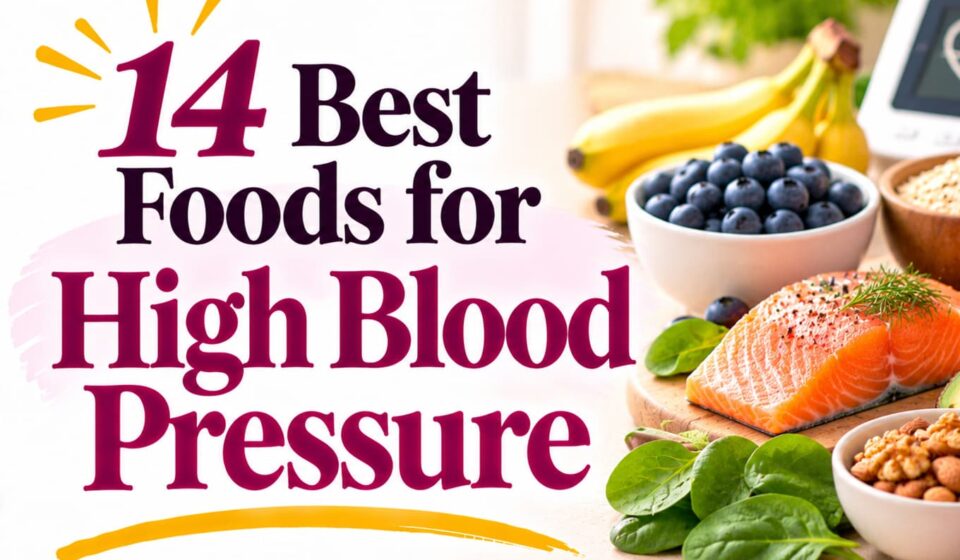
14 Best Foods for High Blood Pressure and How to Eat More of Them

Finding out you have high blood pressure can change the way you look at your kitchen. Suddenly, everyday decisions about breakfast, grocery shopping, and what to order at a restaurant feel a little more complicated.
The good news is that eating to support healthier blood pressure doesn’t require expensive superfoods, restrictive diets, or giving up everything you enjoy. Many of the most beneficial foods are ordinary, affordable ingredients you probably already eat.
What matters most is how consistently you eat them, what they replace in your diet, and how they fit into your overall eating habits.
While certain foods may help lower blood pressure, none should be considered a replacement for prescribed medication or medical care.
How Food Influences Your Blood Pressure
Blood pressure is influenced by several factors, including genetics, kidney function, age, physical activity, body weight, and the condition of your blood vessels. Diet affects some of these factors more directly than others.
Sodium and potassium are particularly important. Eating too much sodium can contribute to fluid retention and increased blood pressure, while potassium helps the kidneys remove excess sodium and supports normal blood vessel function.
Other nutrients play a role, too. Magnesium and calcium contribute to normal cardiovascular function, while compounds found in vegetables, fruits, and other plant foods may help blood vessels relax.
Rather than trying to maximize your intake of individual nutrients, it’s generally more effective to build an eating pattern that provides them naturally.
Start With the DASH Diet
If there’s one dietary approach worth understanding when you have high blood pressure, it’s DASH, which stands for Dietary Approaches to Stop Hypertension.
Unlike many popular diets, DASH was developed specifically to investigate how everyday eating habits influence blood pressure.
In the original DASH clinical trial, participants with hypertension experienced reductions of 11.4 mmHg in systolic blood pressure and 5.5 mmHg in diastolic blood pressure compared with those following the control diet. The researchers achieved these results without participants losing weight.
Those figures describe the results of a controlled clinical trial, not a guaranteed outcome for everyone who follows the diet. Nevertheless, they help explain why DASH remains an important part of modern hypertension management.
The National Heart, Lung, and Blood Institute provides the following general serving recommendations for a 2,000-calorie DASH eating plan:
| Food group | Recommended servings |
|---|---|
| Vegetables | 4–5 daily |
| Fruit | 4–5 daily |
| Grains, preferably whole grains | 6–8 daily |
| Low-fat or fat-free dairy | 2–3 daily |
| Lean meat, poultry and fish | Up to six 1-ounce servings daily |
| Nuts, seeds and legumes | 4–5 weekly |
| Fats and oils | 2–3 daily |
These amounts can be adjusted according to your energy requirements, medical needs, and dietary preferences.
You don’t have to follow the plan perfectly from your first day. Even gradually replacing some of your usual meals with DASH-style alternatives is a reasonable place to start.

14 Foods That May Help Lower Blood Pressure
1. Leafy Green Vegetables
Spinach, kale, Swiss chard, arugula, and other leafy greens provide a combination of potassium, magnesium, fiber, and naturally occurring dietary nitrates.
Your body can convert dietary nitrates into nitric oxide, a compound involved in relaxing blood vessels. This is one reason nitrate-rich vegetables have attracted so much interest in cardiovascular research.
You don’t need to eat enormous bowls of raw spinach every day to benefit. Add a handful of greens to scrambled eggs, stir spinach into pasta or soup, or serve cooked kale alongside dinner.
Frozen leafy vegetables are also perfectly reasonable choices, particularly if fresh greens tend to go unused in your refrigerator.
2. Beets
Beets are among the most extensively studied vegetables for their potential blood pressure benefits, largely because of their nitrate content.
A 2024 systematic review and meta-analysis found that beetroot juice may reduce systolic blood pressure in people with hypertension. However, the evidence for other blood pressure measurements was less consistent.
It’s also worth remembering that many studies use concentrated beetroot juice with a measured nitrate content. Eating a few slices of beetroot won’t necessarily reproduce those results.
Still, roasted beets, boiled beets, and unsweetened beetroot juice can all fit into a heart-healthy diet. If you buy pickled beets, check the sodium content, since some varieties contain surprisingly large amounts of salt.
3. Berries
Blueberries, strawberries, raspberries, and blackberries contain plant compounds called polyphenols. Among these are anthocyanins, the pigments responsible for many of their red, blue, and purple colors.
Research suggests these compounds may support blood vessel function, although studies examining their direct effects on blood pressure have produced mixed results.
One advantage of berries is that they’re easy to incorporate into foods you already enjoy. A bowl of plain yogurt becomes more interesting with strawberries, while oatmeal tastes sweeter with a handful of blueberries without needing much added sugar.
Frozen berries work just as well for most everyday purposes and are often considerably cheaper outside their growing season.
4. Bananas and Other Potassium-Rich Fruits
Bananas have earned their reputation as a heart-friendly food partly because of their potassium content. A medium banana contains roughly 420 mg of potassium.
But bananas aren’t your only option. Oranges, kiwis, cantaloupe, and avocados also contribute useful amounts of this mineral.
The American Heart Association recommends obtaining adequate potassium primarily from food, with a daily intake of 3,500–5,000 mg suggested for many adults managing high blood pressure.
An important exception: People with kidney disease or those taking certain medications may need to limit potassium instead. Medications such as ACE inhibitors, angiotensin receptor blockers, and potassium-sparing diuretics can increase blood potassium levels.
If this applies to you, discuss your potassium intake with your healthcare provider before deliberately increasing it.
5. Oats
Oats are a particularly useful breakfast food because they contain beta-glucan, a type of soluble fiber associated with improved cholesterol levels and potentially modest reductions in blood pressure.
They can also help make breakfast more filling, which is useful if you’re managing your weight alongside hypertension.
Plain rolled oats or steel-cut oats are usually better everyday choices than heavily sweetened instant oatmeal packets. Add cinnamon, berries, chopped nuts, or a little banana for flavor.
If you’re interested in the relationship between oats, appetite, and body weight, our guide to oatmeal for weight loss explains how to build a more satisfying breakfast.
6. Salmon and Other Oily Fish
Salmon, sardines, trout, herring, and certain types of mackerel provide omega-3 fatty acids, particularly EPA and DHA.
These fats are associated with several cardiovascular benefits. Research on omega-3 intake suggests that it may also produce small improvements in blood pressure, although much of the research uses supplements rather than ordinary servings of fish.
Including fish in your meals also gives you an opportunity to replace processed meats that are often high in sodium and saturated fat.
Try oven-baked salmon with lemon and dill, grilled trout, or sardines served with whole-grain toast and vegetables. Two servings of fish per week is a reasonable goal for many adults.
Canned fish can be an affordable alternative, but compare sodium levels between brands.
7. Beans, Lentils and Chickpeas
Legumes deserve more attention than they typically receive in conversations about blood pressure.
They provide plant protein, fiber, potassium, and magnesium, making them particularly well suited to a DASH-style eating pattern. They’re also inexpensive and can make meals more filling without relying on large portions of meat.
You could replace half the ground beef in a chili with kidney beans, add chickpeas to a salad, or make a substantial lentil and vegetable soup.
Canned beans are nutritious and convenient. Choose no-salt-added varieties when available, or drain and rinse regular canned beans to remove some of their sodium.
Our guide to the healthiest beans for weight loss includes additional ideas for using different types of legumes in everyday meals.
8. Garlic
Garlic has attracted considerable attention for its potential cardiovascular effects. Certain compounds found in garlic may influence blood vessel function, and some clinical trials have reported reductions in blood pressure.
There is an important distinction, however. Much of the positive research involves garlic supplements or standardized extracts rather than the amounts typically used in cooking.
According to the National Center for Complementary and Integrative Health, the available evidence suggests that garlic supplements may have a small blood pressure-lowering effect in people with hypertension.
Fresh garlic is still a valuable kitchen ingredient for another reason: it adds plenty of flavor without requiring extra salt.
Try combining it with lemon juice, black pepper, herbs, or a little olive oil when preparing vegetables, fish, and chicken.
9. Unsalted Nuts and Seeds
Almonds, walnuts, pistachios, pumpkin seeds, and flaxseeds contain varying amounts of healthy fats, magnesium, fiber, and potassium.
Flaxseed has been studied specifically for its possible effects on blood pressure, with some clinical trials reporting encouraging results. However, the size of the benefit varies between studies.
Ground flaxseed is easy to stir into oatmeal, yogurt, or smoothies. You could also keep a small portion of unsalted almonds or walnuts available for an afternoon snack instead of reaching for chips.
Nuts and seeds are energy-dense, so portions matter if weight loss is also one of your goals. A small handful of nuts or a tablespoon of ground flaxseed is a practical starting point.
10. Extra Virgin Olive Oil
Olive oil is a central component of the Mediterranean diet, another eating pattern associated with better cardiovascular health.
Extra virgin olive oil contains predominantly unsaturated fats along with various polyphenols that may support healthy blood vessel function.
Its benefits make the most sense when you use it to replace other fats, rather than simply adding more oil to everything you eat.
A little olive oil mixed with balsamic vinegar, mustard, and herbs makes an excellent salad dressing. It can also be used for roasting vegetables and everyday cooking.
If you’re managing your weight, remember that one tablespoon contains approximately 120 calories. Healthy fats still contribute to your total energy intake.
11. Plain Yogurt and Low-Fat Dairy
Dairy is sometimes overlooked in discussions about heart-healthy eating, but low-fat dairy products are an established part of the DASH diet.
Milk and yogurt provide calcium, potassium, protein, and other nutrients involved in normal cardiovascular function.
Plain Greek yogurt is an especially convenient option because it also provides a substantial amount of protein. Unsweetened kefir, low-fat milk, and some fortified unsweetened soy products may also fit your dietary needs.
Be more selective with cheese and cottage cheese, which can contain considerable amounts of sodium even when they’re marketed as healthy or low-fat.
12. Potatoes and Sweet Potatoes
Potatoes are often treated as something to avoid, particularly by people trying to lose weight. In reality, they’re a useful source of potassium and can be part of a nutritious, satisfying meal.
A baked potato with its skin, served alongside fish and vegetables, is very different nutritionally from a large portion of heavily salted French fries.
Preparation matters more than the reputation of the ingredient.
Try baked potatoes topped with plain Greek yogurt and chives, roasted sweet potato wedges with paprika, or boiled potatoes tossed with parsley and a small amount of olive oil.
If you’ve been avoiding potatoes unnecessarily, our article on whether potatoes are good for weight loss takes a closer look at their nutritional value and how to prepare them.
As with other potassium-rich foods, people who have been advised to restrict potassium should follow their individual dietary recommendations.
13. Dark Chocolate
Cocoa contains flavanols, compounds that may support nitric oxide availability and healthy blood vessel function.
Some short-term studies suggest that flavanol-rich cocoa products can produce small reductions in blood pressure.
However, research using specially formulated cocoa products doesn’t necessarily tell us what will happen when you eat a regular supermarket chocolate bar. Even chocolates with similar cocoa percentages can contain very different amounts of flavanols.
If you enjoy dark chocolate, a square or two after dinner can fit comfortably into a balanced diet. There’s no need to eat it specifically as a blood pressure treatment, especially if you don’t particularly like it.
14. Unsweetened Hibiscus and Green Tea
Hibiscus tea, made from the dried parts of the hibiscus plant, has a tart, cranberry-like flavor and is naturally caffeine-free. Several small clinical trials have investigated its potential to lower blood pressure.
Green tea has also been studied for possible cardiovascular benefits.
The National Center for Complementary and Integrative Health notes that research on these and other natural products suggests possible benefits, but the evidence remains limited and the effects are generally small.
The simplest reason to drink unsweetened tea is that it can replace sugary beverages or alcohol. You don’t need to follow a strict daily tea-drinking schedule to maintain healthy blood pressure.
Check with your healthcare provider before regularly using concentrated herbal products or extracts, particularly if you take blood pressure medication.
What You Eat Less of Matters Just as Much
Adding spinach to dinner won’t accomplish much if the rest of the meal contains an excessive amount of sodium.
In fact, one of the most useful changes you can make is to look more closely at the sodium already present in your everyday foods.
The DASH eating plan generally limits sodium to 2,300 mg per day, with a lower target of 1,500 mg offering additional blood pressure benefits for many people.
The difficulty is that a considerable amount of dietary sodium comes from food that has already been prepared, rather than the salt you add at the dinner table.
Common sources include:
- Bacon, sausages, deli meats, and other processed meats.
- Instant noodles and packaged soups.
- Frozen pizzas and ready-made meals.
- Soy sauce, bottled dressings, and seasoning mixes.
- Bread, cheese, and sandwiches.
- Restaurant meals and takeaway food.
Some of these foods don’t even taste particularly salty. Bread is a good example: an individual slice may not contain an alarming amount of sodium, but several servings throughout the day can add up.
Learning how to read nutrition labels can make an enormous difference when comparing similar products.
The most useful blood pressure food might not be something new you add to your diet. It might be the lower-sodium version of something you already eat every day.
Should You Switch to a Potassium-Based Salt Substitute?
For some people, replacing ordinary table salt with a potassium-enriched salt substitute may help lower blood pressure.
However, this isn’t a safe option for everyone. Many salt substitutes contain potassium chloride, which can contribute to dangerously high potassium levels in people with impaired kidney function or those taking certain medications.
Check with your healthcare provider before making the switch.
You can also gradually reduce your reliance on salt by experimenting with lemon juice, vinegar, smoked paprika, garlic, fresh herbs, and other seasonings.
What About Coffee, Alcohol and Sugar?
Alcohol can raise blood pressure, particularly when consumed regularly in larger amounts. Reducing or avoiding alcohol is a worthwhile consideration if you’re managing hypertension.
Caffeine can temporarily increase blood pressure, although individual responses vary. You don’t necessarily need to give up your morning coffee, but it’s worth discussing your intake with your doctor if you notice substantial increases in your readings.
Sugary drinks and foods with large amounts of added sugar are worth limiting as part of a balanced eating pattern, particularly if you’re also trying to manage your weight or blood sugar.
One less obvious ingredient to watch for is real licorice root. It contains glycyrrhizin, which can raise blood pressure and interfere with potassium balance.
Can the Same Foods Help You Lose Weight?
There is considerable overlap between foods that support cardiovascular health and foods that make weight management easier.
Vegetables, fruit, oats, beans, fish, and plain yogurt can provide filling meals with plenty of protein, fiber, and essential nutrients.
For people with hypertension who also have overweight or obesity, gradual weight loss may help improve blood pressure. However, DASH can be beneficial even without weight loss, and not everyone with high blood pressure needs to lose weight.
If both goals are relevant to you, our guide to losing weight with high blood pressure covers additional considerations for diet, exercise, and safe weight management.
Need Additional Support With Weight Management?
If you are living with overweight or obesity and have been struggling to manage your weight, speaking with a qualified healthcare professional may help you understand which treatment options are appropriate for your circumstances.
Breeze Meds is a telehealth service offering weight management consultations.
Check eligibility & pricing at Breeze Meds →Affiliate disclosure: We may earn a commission if you use this link. Medical eligibility and treatment decisions are determined by a healthcare professional. Weight loss medication is not a replacement for appropriate hypertension treatment.
What a Day of Blood Pressure-Friendly Eating Looks Like
You don’t need to squeeze all 14 foods into your diet every day. A few well-chosen ingredients at each meal can provide plenty of variety.
Here’s an example of how DASH-style eating might look in practice.
| Meal | Example |
|---|---|
| Breakfast | Oatmeal with blueberries, ground flaxseed, and plain yogurt |
| Morning snack | A banana or an orange |
| Lunch | Chickpea and leafy green salad with cucumber, beetroot, olive oil, and lemon, served with whole-grain bread |
| Afternoon snack | A small handful of unsalted nuts |
| Dinner | Baked salmon, roasted sweet potato, brown rice, and spinach seasoned with garlic |
| Evening | Unsweetened herbal tea and a square of dark chocolate, if desired |
This is an illustrative menu rather than a prescribed meal plan. Portion sizes should reflect your nutritional needs, and actual sodium and potassium totals will depend on the ingredients, brands, and preparation methods you choose.
The idea is simply to show that blood pressure-friendly eating can involve familiar, enjoyable meals.
How Quickly Can Dietary Changes Affect Blood Pressure?
Some people notice improvements within a few weeks of changing their eating habits. Controlled studies of the DASH diet have demonstrated that blood pressure can respond relatively quickly to dietary changes.
Long-term results depend on several factors, including your starting blood pressure, medications, sodium intake, physical activity, and underlying health conditions.
It’s also normal for blood pressure readings to fluctuate throughout the day. Rather than judging your progress by a single measurement, follow your healthcare provider’s recommendations for monitoring your blood pressure at home.
Never reduce or discontinue prescribed medication on your own, even if your readings improve. Your doctor can determine whether any adjustments are necessary.
Food is also not an emergency treatment for dangerously high blood pressure. If your systolic blood pressure exceeds 180 mmHg or your diastolic pressure exceeds 120 mmHg, follow the American Heart Association’s emergency guidance. If you also experience chest pain, difficulty breathing, weakness, vision changes, or difficulty speaking, seek emergency medical help immediately.
Making These Changes Last
You don’t have to overhaul your entire diet after your next grocery trip. Start with the meals you eat most frequently.
Replace a processed meat sandwich with a homemade chicken or chickpea sandwich. Buy unsalted nuts instead of salted ones. Add vegetables to dinner, try oatmeal a few mornings a week, and compare the sodium content of your favorite sauces.
These changes might seem less exciting than a concentrated beetroot drink or a new supplement promising rapid results. But they’re considerably easier to maintain, and together they can make a meaningful difference.
Managing blood pressure is a long-term effort. A way of eating that you enjoy enough to continue for years is far more valuable than a collection of supposedly powerful foods you force yourself to eat for a few weeks.
Stop Wondering What to Eat This Week
Get my free 7-Day High-Protein Weight Loss Meal Plan delivered straight to your inbox — a simple week of satisfying, protein-focused meals designed to make healthy eating easier without complicated calorie tracking.
- 7 full days of breakfast, lunch, dinner & snacks
- One complete shopping list for the whole week
- A quick high-protein food cheat sheet
- Simple daily tips to help you stay on track
Free PDF • Delivered by email • Unsubscribe anytime
Check your inbox 💜
Your free 7-day high-protein meal plan is on its way.