
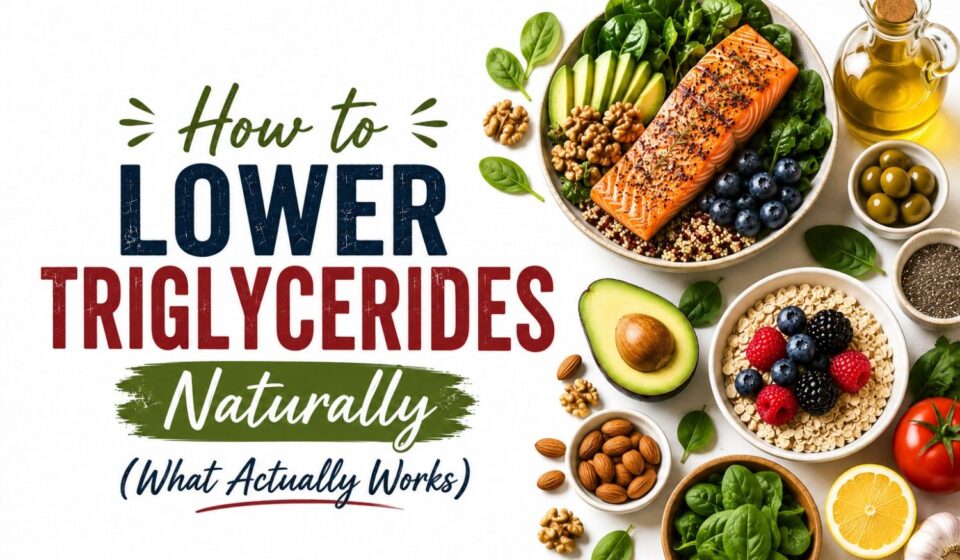

High triglycerides are serious — and remarkably responsive to specific lifestyle changes
High triglycerides are one of the most common lipid abnormalities in Western populations — and one of the most directly modifiable through lifestyle changes. Unlike LDL cholesterol, which often requires medication for significant reduction, triglycerides respond dramatically to specific dietary and lifestyle interventions — sometimes dropping 50% or more within weeks.
Here’s what actually works, and why.

What Are Triglycerides and Why Do They Matter?
Triglycerides are the primary form of fat stored in body fat cells and transported in the bloodstream. After eating, the body converts excess calories — particularly from carbohydrates and alcohol — into triglycerides for storage.
Normal triglyceride levels:
| Level | Classification |
|---|---|
| Under 150 mg/dL | Normal |
| 150–199 mg/dL | Borderline high |
| 200–499 mg/dL | High |
| 500+ mg/dL | Very high |
Why high triglycerides matter:
High triglycerides are a component of metabolic syndrome and independently increase cardiovascular risk. Very high triglycerides (above 500 mg/dL) carry specific risk of acute pancreatitis — a serious and potentially life-threatening condition.
High triglycerides are also strongly associated with insulin resistance, low HDL cholesterol, and fatty liver disease — making them an important metabolic health marker beyond cardiovascular risk alone.
What Causes High Triglycerides?
Understanding the cause points directly to the solution:
Excess carbohydrate and sugar intake: This is the primary dietary driver. When carbohydrates — particularly refined carbohydrates and sugar — are consumed in excess of immediate energy needs, the liver converts them to triglycerides (a process called de novo lipogenesis). Fructose specifically is highly lipogenic — table sugar and high-fructose corn syrup are among the most potent triglyceride-raising dietary components.
Excess alcohol: The liver prioritizes alcohol metabolism, diverting metabolic resources toward triglyceride production. Even moderate alcohol consumption can significantly raise triglycerides in sensitive individuals.
Excess calorie intake and obesity: Particularly visceral obesity — the fat surrounding abdominal organs — is strongly associated with elevated triglycerides.
Sedentary lifestyle: Physical inactivity impairs triglyceride clearance from the bloodstream.
Insulin resistance: Impaired insulin signaling disrupts the normal clearance of triglycerides from blood — allowing them to accumulate.
Certain medications: Including corticosteroids, beta-blockers, diuretics, retinoids, and some antipsychotics.
Genetics: Familial hypertriglyceridemia produces elevated triglycerides regardless of lifestyle — though lifestyle still modifies outcomes.
How to Lower Triglycerides Naturally
1. Dramatically Reduce Sugar and Refined Carbohydrates
This is the single most impactful intervention for high triglycerides — because fructose and excess glucose are the liver’s primary raw materials for triglyceride synthesis.
What to eliminate:
- Sugar-sweetened beverages (the highest priority — liquid fructose is particularly lipogenic)
- Added sugar in all forms (candy, pastries, sweetened yogurt, desserts)
- White bread, white rice, white pasta — rapidly digested to glucose
- Fruit juice — concentrated fructose without fiber
- Processed snacks and packaged foods
The evidence: Multiple studies show triglyceride reductions of 20–50% from reducing added sugar and refined carbohydrates alone — often within 4–8 weeks. This is one of the most dramatic dietary responses available for any blood marker.
As covered in our article on does sugar cause weight gain, sugar’s metabolic effects extend well beyond weight — with triglycerides being one of the most directly affected markers.
2. Eliminate or Dramatically Reduce Alcohol
Alcohol is the second most impactful intervention for high triglycerides — and the response is rapid.
The liver converts alcohol to acetate and then to fatty acids, which are packaged as triglycerides and released into circulation. Even moderate drinking (1–2 drinks daily) can significantly elevate triglycerides, particularly in people who are genetically predisposed or already have elevated levels.
For people with triglycerides above 500 mg/dL: alcohol elimination is essentially mandatory — the pancreatitis risk is too significant.
Expected reduction: Eliminating alcohol typically reduces triglycerides by 20–50% within 4 weeks for people who were drinking regularly.
3. Increase Omega-3 Fatty Acids
Omega-3 fatty acids — EPA and DHA from fatty fish and fish oil — are the most well-established dietary triglyceride-lowering agents available. They work through multiple mechanisms:

- Reduce the liver’s production of VLDL (the triglyceride-carrying lipoprotein)
- Increase triglyceride clearance from the bloodstream
- Improve insulin sensitivity
Dietary sources: Fatty fish (salmon, sardines, mackerel, herring) 3+ times per week.
Supplementation: 2–4g of EPA+DHA daily — higher doses (prescription omega-3 products like Vascepa) are specifically approved for treating very high triglycerides (500+ mg/dL).
Expected reduction: 20–50% triglyceride reduction with 3–4g daily omega-3 supplementation — one of the most evidence-backed nutritional interventions for this specific purpose.
4. Lose Weight — Especially Visceral Fat
Each pound of body weight lost reduces triglycerides — with visceral fat reduction producing disproportionately large improvements.
A 5–10% reduction in body weight consistently produces 20–30% reduction in triglycerides in people who are overweight. The mechanism: reduced visceral fat means reduced fatty acid flux to the liver, reducing VLDL and triglyceride production.
As covered in our complete guide to how to get rid of belly fat, visceral fat reduction is the most impactful single metabolic intervention for most metabolic markers including triglycerides.
5. Exercise Regularly
Exercise — both aerobic and resistance training — directly improves triglyceride clearance from the bloodstream by:
- Increasing lipoprotein lipase activity (the enzyme that clears triglycerides from blood)
- Depleting muscle glycogen (making muscles more effective at using triglycerides for fuel)
- Improving insulin sensitivity
What the research shows: Aerobic exercise reduces triglycerides by 15–20% in most studies. Acute exercise produces temporary triglyceride reduction; consistent training produces sustained improvements.
Most effective approach: Combining regular aerobic exercise (walking, cycling, swimming) with strength training produces better triglyceride outcomes than either alone.
As covered in our guide to how to lose weight by walking, consistent daily walking is the most accessible entry point — and produces meaningful triglyceride reduction.
6. Replace Refined Carbohydrates With Fiber-Rich Foods
The type of carbohydrates matters alongside the total amount. Replacing refined carbohydrates with fiber-rich whole foods:
- Slows glucose absorption, reducing the glucose load that drives de novo lipogenesis
- Feeds gut bacteria that produce short-chain fatty acids with beneficial metabolic effects
- Reduces post-meal triglyceride spikes
Best choices: Legumes (lentils, beans, chickpeas), oats, non-starchy vegetables, berries, whole grains in controlled amounts.
7. Choose Healthier Fats
The type of dietary fat affects triglycerides:
Monounsaturated fats (olive oil, avocado): Neutral to beneficial — don’t raise triglycerides and improve overall lipid profile.
Saturated fats: Mixed evidence — may modestly raise triglycerides in some people, but less so than sugar and refined carbohydrates.
Trans fats: Raise triglycerides and should be completely avoided.
Omega-3 fatty acids: Actively lower triglycerides as discussed above.
Replacing processed food fats and refined carbohydrates with olive oil and fatty fish simultaneously addresses the dietary drivers of elevated triglycerides.
8. Consider Specific Supplements
Beyond omega-3 fatty acids, several supplements have meaningful evidence for triglyceride reduction:
Berberine: 500mg 2–3 times daily. Multiple studies show significant triglyceride reduction (comparable to metformin in some trials) through multiple metabolic mechanisms including improved insulin sensitivity and reduced VLDL production.
Niacin (vitamin B3): High-dose niacin (1,500–3,000mg daily under medical supervision) produces dramatic triglyceride reductions — but causes flushing and requires medical oversight.
Garlic: Regular garlic consumption (1–2 cloves daily or aged garlic extract supplementation) produces modest but consistent triglyceride reduction in multiple trials.
Psyllium husk: Soluble fiber that reduces post-meal glucose and triglyceride spikes — 5–10g before meals.
How Quickly Do Triglycerides Respond?
Triglycerides are one of the most rapidly responsive blood markers to lifestyle intervention:
1–2 weeks: Sugar elimination and alcohol reduction produce measurable improvements.
4–8 weeks: Combined dietary changes (reduced sugar, increased omega-3, reduced alcohol) produce significant reduction — often 30–50%.
3–6 months: Full effect of sustained dietary and lifestyle changes, including weight loss.
This rapid response is actually motivating — unlike some other metabolic markers that take months to change, triglycerides provide early feedback that the interventions are working.
When Medication Is Necessary
Lifestyle intervention is the foundation of triglyceride management — but medication is warranted in specific situations:
Triglycerides above 500 mg/dL: Pancreatitis risk requires aggressive treatment, often including medication alongside lifestyle changes.
Inadequate response to lifestyle intervention: After 3–6 months of genuine lifestyle change without adequate reduction.
Genetic hypertriglyceridemia: Where lifestyle alone cannot achieve adequate control.
Medications used: Fibrates (fenofibrate, gemfibrozil), prescription omega-3 (Vascepa, Lovaza), niacin, and statins.
For people with high triglycerides alongside obesity or insulin resistance who haven’t achieved adequate results through lifestyle changes, medical weight loss support may be appropriate.
Breeze Meds offers telehealth medical evaluations to assess whether prescription weight loss treatment — which directly addresses the insulin resistance and obesity driving elevated triglycerides — is appropriate for your situation.
Check eligibility & pricing at Breeze Meds →Affiliate disclosure: We may earn a commission if you use this link. Breeze Meds provides telehealth weight-loss services. Prescription medication is only provided following an evaluation by a licensed healthcare professional and is not guaranteed.
The Priority Order for Lowering Triglycerides
Working through these in order of impact:
- Eliminate sugar-sweetened beverages — fastest, highest impact
- Eliminate or reduce alcohol — rapid and significant effect
- Reduce added sugar and refined carbohydrates broadly
- Add omega-3 fatty acids (fatty fish 3x/week + fish oil supplement)
- Lose weight — particularly visceral fat
- Exercise regularly — daily walking + strength training
- Replace refined carbs with fiber-rich foods
- Optimize dietary fat quality (more olive oil, less seed oils)
Most people who follow steps 1–4 consistently for 8 weeks see dramatic triglyceride reductions — often moving from “high” to “normal” range without medication.
The Bottom Line
High triglycerides are serious — but remarkably responsive to specific lifestyle interventions. The primary drivers are sugar and refined carbohydrates, excess alcohol, and visceral obesity. Addressing these directly produces faster and more dramatic improvement than almost any other blood marker.
The most impactful changes: eliminate sugar-sweetened beverages, reduce added sugar, eliminate or dramatically reduce alcohol, and add omega-3 fatty acids from fatty fish and supplementation. These four changes alone can reduce triglycerides by 30–50% within 4–8 weeks for most people.
For the complete framework for improving metabolic health alongside triglyceride reduction, our guide to what is metabolic syndrome and how to reverse it covers everything in one place.
Have you successfully reduced high triglycerides through lifestyle changes — and what made the biggest difference? Share in the comments.
Stop Wondering What to Eat This Week
Get my free 7-Day High-Protein Weight Loss Meal Plan delivered straight to your inbox — a simple week of satisfying, protein-focused meals designed to make healthy eating easier without complicated calorie tracking.
- 7 full days of breakfast, lunch, dinner & snacks
- One complete shopping list for the whole week
- A quick high-protein food cheat sheet
- Simple daily tips to help you stay on track
Free PDF • Delivered by email • Unsubscribe anytime
Check your inbox 💜
Your free 7-day high-protein meal plan is on its way.